


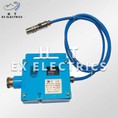
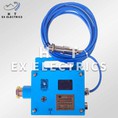


As a supplier of intrinsically safe laser sensors, I often get asked about the potential disadvantages of these remarkable devices. While intrinsically safe laser sensors offer numerous benefits, it's important to have a balanced view and understand any limitations they may have. In this blog post, I'll explore the possible drawbacks of intrinsically safe laser sensors to help you make an informed decision for your specific applications.
Understanding Intrinsically Safe Laser Sensors
Before delving into the disadvantages, let's briefly recap what intrinsically safe laser sensors are. These sensors are designed to operate safely in hazardous environments where the presence of flammable gases, vapors, or dusts could pose a risk of explosion. They achieve this by limiting the energy output and ensuring that any electrical or thermal effects are kept below the ignition levels of the surrounding hazardous substances.
Intrinsically safe laser sensors are widely used in industries such as oil and gas, chemical processing, mining, and pharmaceuticals, where safety is of utmost importance. They offer high precision, fast response times, and non-contact measurement capabilities, making them suitable for a variety of applications, including distance measurement, level detection, and object presence sensing.
Potential Disadvantages of Intrinsically Safe Laser Sensors
1. Limited Range and Power Output
One of the primary limitations of intrinsically safe laser sensors is their restricted range and power output. To maintain intrinsic safety, the energy of the laser beam must be carefully controlled to prevent ignition of the surrounding hazardous atmosphere. This limitation can result in a shorter detection range compared to non-intrinsically safe laser sensors.
For applications that require long-range measurements or high-power laser beams, the reduced range of intrinsically safe sensors may not be sufficient. In such cases, alternative sensing technologies or non-intrinsically safe sensors may need to be considered, provided that appropriate safety measures are in place to prevent the risk of explosion.
2. Environmental Sensitivity
Intrinsically safe laser sensors can be sensitive to environmental conditions, such as dust, moisture, and temperature variations. Dust particles in the air can scatter the laser beam, reducing its intensity and affecting the accuracy of the measurement. Moisture can cause condensation on the sensor's optics, leading to signal attenuation and potential measurement errors.
Extreme temperature variations can also impact the performance of intrinsically safe laser sensors. High temperatures can cause thermal drift, which may result in inaccurate measurements over time. Low temperatures, on the other hand, can affect the battery life and the operation of electronic components within the sensor.
To mitigate these environmental challenges, proper installation and maintenance of the sensors are crucial. This may include using protective enclosures, regular cleaning of the optics, and ensuring that the sensors are operated within their specified temperature and humidity ranges.
3. Cost
Intrinsically safe laser sensors typically come with a higher price tag compared to non-intrinsically safe sensors. The additional cost is primarily due to the strict safety requirements and the specialized design and manufacturing processes involved in ensuring intrinsic safety.
The development and certification of intrinsically safe sensors require compliance with rigorous international standards, such as IEC 60079-11 and ATEX. These standards mandate specific safety features and testing procedures to ensure that the sensors can operate safely in hazardous environments. The cost of obtaining these certifications and implementing the necessary safety measures is reflected in the final price of the sensors.
For budget-conscious applications, the higher cost of intrinsically safe laser sensors may be a significant factor to consider. However, it's important to weigh the cost against the potential risks and consequences of using non-intrinsically safe sensors in hazardous environments.
4. Complexity of Installation and Maintenance
Installing and maintaining intrinsically safe laser sensors can be more complex compared to non-intrinsically safe sensors. The installation process must comply with strict safety regulations to ensure that the sensors are properly grounded, wired, and protected against potential sources of ignition.
In addition, regular maintenance and calibration are essential to ensure the continued accuracy and reliability of the sensors. This may involve periodic checks of the sensor's performance, cleaning of the optics, and replacement of worn or damaged components. The complexity of these tasks may require specialized training and expertise, which can add to the overall cost of ownership.
Balancing the Disadvantages with the Benefits
While intrinsically safe laser sensors have their limitations, it's important to note that the benefits they offer often outweigh the disadvantages, especially in hazardous environments where safety is a top priority. The ability to operate safely in explosive atmospheres, combined with their high precision and non-contact measurement capabilities, makes them an invaluable tool for many industries.


In many cases, the potential risks associated with using non-intrinsically safe sensors in hazardous environments far outweigh the additional cost and complexity of using intrinsically safe sensors. By investing in intrinsically safe laser sensors, companies can ensure the safety of their employees, protect their assets, and comply with regulatory requirements.
Other Intrinsically Safe Products
In addition to intrinsically safe laser sensors, our company also offers a range of other intrinsically safe products, including Intrinsically Safe Photo Sensor, Intrinsically Safe Pressure Sensor, and Intrinsically Safe Emergency Stop Switch. These products are designed to provide reliable and safe operation in hazardous environments, and they can be used in conjunction with our intrinsically safe laser sensors to create comprehensive safety solutions.
Conclusion
In conclusion, while intrinsically safe laser sensors have some potential disadvantages, such as limited range, environmental sensitivity, higher cost, and complexity of installation and maintenance, their benefits in terms of safety and performance make them a valuable choice for many applications in hazardous environments. By understanding these limitations and taking appropriate measures to mitigate them, companies can ensure the reliable and safe operation of their intrinsically safe laser sensors.
If you're considering using intrinsically safe laser sensors or other intrinsically safe products in your application, I encourage you to contact us to discuss your specific requirements. Our team of experts can provide you with detailed information, technical support, and guidance to help you make the right choice for your needs. We're committed to providing high-quality, reliable, and safe sensing solutions to our customers, and we look forward to working with you.
References
- IEC 60079-11: Explosive atmospheres - Part 11: Equipment protection by intrinsic safety "i".
- ATEX Directive 2014/34/EU: Equipment and protective systems intended for use in potentially explosive atmospheres.