


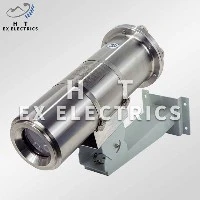

In the dynamic landscape of industrial safety, the use of appropriate surveillance equipment is crucial, especially in high - risk environments such as metalworking factories. As a leading supplier of Explosion Proof IR Cameras, I am often asked whether these cameras can be effectively utilized in metalworking facilities. In this blog, we will explore the feasibility, benefits, and considerations of using explosion proof IR cameras in metalworking factories.
Understanding the Metalworking Factory Environment
Metalworking factories are complex industrial settings where various processes take place, including cutting, welding, forging, and grinding. These operations generate a multitude of potential hazards. Firstly, the presence of metal dust is a significant concern. Fine metal particles can become airborne during machining processes, creating a combustible dust cloud. If ignited, this dust can lead to violent explosions, causing severe damage to property and endangering the lives of workers.
Secondly, the use of flammable gases and liquids is common in metalworking. For example, acetylene is widely used in welding operations, and hydraulic fluids are used in machinery. Leaks or improper handling of these substances can result in the formation of explosive atmospheres. Additionally, high - temperature processes like forging and heat treatment can act as ignition sources if not properly controlled.


How Explosion Proof IR Cameras Work
Explosion proof IR cameras are designed to operate safely in hazardous environments. They are constructed with robust enclosures that can withstand the pressure and force of an internal explosion without allowing the flames or hot gases to escape and ignite the surrounding explosive atmosphere.
The infrared (IR) technology in these cameras provides several advantages. IR cameras can detect heat signatures, which is particularly useful in metalworking factories. During metal processing, components often heat up, and abnormal temperature rises can indicate equipment malfunctions or potential safety hazards. For example, overheating bearings in a machine can lead to mechanical failures, and an IR camera can detect these temperature changes early, allowing for preventive maintenance.
Benefits of Using Explosion Proof IR Cameras in Metalworking Factories
Enhanced Safety Monitoring
One of the primary benefits of using explosion proof IR cameras is improved safety. These cameras can continuously monitor areas where explosive atmospheres may form, such as storage areas for flammable gases and liquids or areas with high dust concentrations. By providing real - time visual and thermal data, they enable operators to detect potential hazards before they escalate into serious incidents.
For instance, in a welding area, an IR camera can monitor the temperature of the welding equipment and the surrounding environment. If the temperature exceeds a safe threshold, an alarm can be triggered, alerting workers to take corrective actions. This proactive approach to safety can significantly reduce the risk of explosions and fires in the factory.
Equipment Condition Monitoring
Metalworking machinery is expensive and critical to the production process. Explosion proof IR cameras can be used to monitor the condition of this equipment. By detecting abnormal heat patterns, they can identify issues such as worn - out parts, misaligned components, or electrical problems.
For example, in a large - scale metal cutting machine, an IR camera can monitor the motor and the cutting tools. If the motor is overheating, it may indicate a problem with the electrical supply or mechanical resistance. Early detection of such issues can prevent costly breakdowns and production downtime.
Process Optimization
In addition to safety and equipment monitoring, explosion proof IR cameras can also contribute to process optimization. By analyzing the thermal data, manufacturers can gain insights into the efficiency of their metalworking processes. For example, in a forging operation, the temperature distribution during the heating and cooling phases can affect the quality of the final product. An IR camera can provide detailed information about these temperature profiles, allowing operators to adjust the process parameters for better results.
Considerations When Using Explosion Proof IR Cameras in Metalworking Factories
Installation Location
The location of the explosion proof IR cameras is crucial. They should be installed in areas where they can provide the most comprehensive view of the potential hazards. For example, in areas with high dust generation, cameras should be placed at a height and angle that minimizes the accumulation of dust on the lens. Additionally, they should be positioned to avoid direct exposure to high - temperature sources or mechanical impacts.
Maintenance Requirements
Like any other equipment, explosion proof IR cameras require regular maintenance. The enclosures need to be inspected for any signs of damage or wear, and the lenses should be cleaned to ensure clear images. Regular calibration of the IR sensors is also necessary to maintain accurate temperature measurements.
Compatibility with Existing Systems
When integrating explosion proof IR cameras into a metalworking factory's existing surveillance or monitoring systems, compatibility is a key consideration. The cameras should be able to communicate effectively with other devices, such as alarms, control panels, and data storage systems. This ensures seamless operation and the ability to integrate the data from the cameras into the overall safety and production management systems.
Real - World Applications and Success Stories
Many metalworking factories around the world have successfully implemented explosion proof IR cameras. For example, a large - scale automotive parts manufacturing plant was experiencing frequent equipment breakdowns due to overheating. After installing explosion proof IR cameras in their machining areas, they were able to detect early signs of overheating in the machines. This led to a significant reduction in equipment failures and production downtime, resulting in cost savings and improved productivity.
Another example is a metal foundry that was concerned about the safety of its workers in areas where molten metal was handled. By using explosion proof IR cameras to monitor the temperature of the molten metal and the surrounding environment, they were able to prevent potential explosions and ensure a safer working environment.
Related Products and Resources
If you are interested in learning more about explosion proof cameras, we offer a range of related products. Our Explosion Proof Security Camera provides high - resolution video surveillance in hazardous environments, complementing the thermal monitoring capabilities of our explosion proof IR cameras. The Digital Explosion Proof Camera offers advanced digital features for enhanced data collection and analysis. Additionally, our Coal Mine Safety Monitoring System can be adapted for use in metalworking factories to provide comprehensive safety solutions.
Conclusion and Call to Action
In conclusion, explosion proof IR cameras are a valuable addition to metalworking factories. They offer enhanced safety monitoring, equipment condition monitoring, and process optimization capabilities. With proper installation, maintenance, and integration, these cameras can significantly improve the safety and efficiency of metalworking operations.
If you are interested in exploring how explosion proof IR cameras can benefit your metalworking factory, we invite you to contact us for a detailed consultation. Our team of experts can provide you with customized solutions based on your specific needs and requirements. Let us work together to create a safer and more productive metalworking environment.
References
- "Industrial Safety in Metalworking Factories: Best Practices", Journal of Industrial Safety, Vol. 25, Issue 3.
- "Infrared Technology for Hazardous Environment Monitoring", International Journal of Infrared and Millimeter Waves, Vol. 38, Issue 6.
- "Explosion Proof Equipment Standards and Regulations", European Union Directive on Hazardous Atmospheres.