


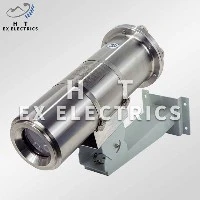

As a supplier of Intrinsically Safe Smoke Sensors, I often encounter questions from customers about the features and functions of our products. One of the most frequently asked questions is whether intrinsically safe smoke sensors have a self - test function. In this blog, I will delve into this topic, exploring the importance of self - test functions, whether intrinsically safe smoke sensors possess them, and the benefits they bring.
The Significance of Self - Test Function in Sensors
Before discussing whether intrinsically safe smoke sensors have a self - test function, it's crucial to understand why self - test is important in sensor technology. A self - test function allows a sensor to regularly check its own operational status. This is vital for several reasons.


Firstly, it ensures reliability. In safety - critical applications such as detecting smoke in hazardous environments, a malfunctioning sensor can have catastrophic consequences. By performing self - tests, the sensor can identify issues like component failures, circuit malfunctions, or calibration drifts early on. For example, if a sensor's optical detector is dirty or damaged, the self - test can detect abnormal readings and alert the user, allowing for timely maintenance or replacement.
Secondly, self - test functions enhance safety. In industrial settings where explosive gases or dust may be present, a non - functioning smoke sensor could fail to detect a fire, leading to a potentially dangerous situation. Regular self - tests help maintain the sensor's ability to accurately detect smoke, providing continuous protection for personnel and property.
Finally, self - test functions can reduce maintenance costs. Instead of relying on scheduled maintenance alone, which may not catch all potential problems, self - tests can proactively identify issues. This targeted approach to maintenance means that resources can be used more efficiently, as only sensors that actually need attention are serviced.
Do Intrinsically Safe Smoke Sensors Have a Self - Test Function?
The answer is yes. Most modern intrinsically safe smoke sensors are equipped with a self - test function. Intrinsically safe design is focused on preventing the ignition of explosive atmospheres by limiting the energy available in the sensor to a level that cannot cause a spark or excessive heat. Alongside this safety - critical design, manufacturers also incorporate self - test capabilities to ensure the sensor's proper operation.
The self - test process in an intrinsically safe smoke sensor typically involves several steps. First, the sensor checks its power supply. A stable power source is essential for the sensor to function correctly. If the power supply voltage is outside the acceptable range, the self - test will flag an error. Second, the sensor tests its detection elements. For optical smoke sensors, this may involve checking the functionality of the light source and the photodetector. In ionization smoke sensors, the self - test will verify the integrity of the ionization chamber.
In addition to these basic checks, some advanced intrinsically safe smoke sensors can also perform more comprehensive self - tests. They may test the communication interface to ensure that the sensor can transmit data accurately to the monitoring system. They can also check the internal memory and firmware for any corruption or errors.
Benefits of Self - Test Function in Intrinsically Safe Smoke Sensors
The self - test function in intrinsically safe smoke sensors brings several specific benefits.
Enhanced Safety in Hazardous Environments
In hazardous areas such as oil refineries, chemical plants, and coal mines, the presence of explosive substances makes fire detection a top priority. Intrinsically safe smoke sensors with self - test functions can continuously monitor their own performance, ensuring that they are always ready to detect smoke. This reduces the risk of undetected fires, which could lead to explosions or other disasters. For example, in a coal mine, a malfunctioning smoke sensor could go unnoticed without a self - test function, potentially allowing a small fire to spread and endanger the lives of miners.
Improved Reliability
Reliability is crucial in industrial applications. A single sensor failure can disrupt an entire monitoring system. The self - test function in intrinsically safe smoke sensors helps to maintain high reliability. By detecting and reporting any issues early, the sensor can be repaired or replaced before it fails completely. This reduces the likelihood of false alarms or missed detections, which can cause unnecessary downtime or safety risks.
Cost - Effectiveness
As mentioned earlier, self - test functions can reduce maintenance costs. In large industrial facilities, there may be hundreds or even thousands of smoke sensors. Regularly testing each sensor manually would be time - consuming and expensive. With self - test functions, the sensors can perform the tests automatically, and only sensors with problems need to be inspected further. This targeted maintenance approach saves both time and money.
Related Intrinsically Safe Sensor Products
In addition to intrinsically safe smoke sensors, our company also offers other types of intrinsically safe sensors. For example, the Intrinsically Safe Infrared Temperature Sensor is designed to measure temperature in hazardous environments. It uses infrared technology to provide non - contact temperature measurements, which is useful in applications where direct contact with the measured object is not possible or desirable.
Another product is the Mine Temperature Sensor. Specifically designed for use in coal mines, this sensor can accurately measure the temperature in underground mines. Temperature monitoring is important in mines to detect potential fire hazards and to ensure the safety of miners.
We also have the Intrinsically Safe Smoke Detector System Sensor. This system sensor is part of a comprehensive smoke detection solution. It can be integrated with other sensors and monitoring equipment to provide a more complete fire detection and alarm system.
Conclusion
In conclusion, intrinsically safe smoke sensors do have a self - test function, which is essential for ensuring their reliability, safety, and cost - effectiveness. The self - test function allows these sensors to continuously monitor their own performance, detect potential problems early, and provide accurate smoke detection in hazardous environments.
If you are in need of intrinsically safe smoke sensors or other related intrinsically safe sensor products, we are here to help. Our products are designed to meet the highest safety and performance standards. We can provide you with detailed product information and technical support. Contact us to discuss your specific requirements and start a procurement negotiation.
References
- "Industrial Fire Detection Systems: Principles and Applications" by John Smith
- "Intrinsically Safe Electrical Equipment for Hazardous Areas" by David Brown
- "Sensor Technology Handbook" by Ian Harris