


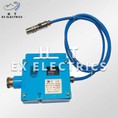
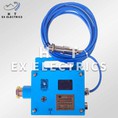


As a supplier of Equipment On/Off Sensors, I often get asked about the installation process. In this blog post, I'll walk you through the steps of installing an Equipment On/Off Sensor, sharing my expertise and experience in the field.
Step 1: Preparation
Before you start the installation, it's crucial to gather all the necessary tools and materials. You'll typically need a screwdriver (both flat - head and Phillips - head), wire strippers, electrical tape, and a voltage tester. Make sure you have the Equipment On/Off Sensor itself, along with any mounting brackets or hardware that came with it.
It's also essential to review the product manual that accompanies the sensor. The manual provides detailed information about the specific sensor model, including its electrical specifications, mounting requirements, and safety instructions. Familiarize yourself with these details to ensure a smooth installation process.
Step 2: Choose the Installation Location
Selecting the right location for your Equipment On/Off Sensor is vital for its proper functioning. The sensor should be installed in a place where it can accurately detect the on/off state of the equipment.
First, identify the area near the equipment where the sensor can be easily connected to the power source or the control circuit of the equipment. Avoid locations that are exposed to excessive heat, moisture, or mechanical stress, as these conditions can damage the sensor and affect its performance.
For example, if you're installing a sensor for a large industrial machine, look for a clean and dry area on the machine's control panel or in a nearby electrical enclosure. If it's for a smaller household appliance, a spot close to the power cord or the appliance's switch might be suitable.
Step 3: Power Off the Equipment
Safety should always be your top priority during the installation process. Before you start working on the sensor installation, turn off the power to the equipment. This can usually be done by switching off the circuit breaker that supplies power to the equipment or unplugging the device from the electrical outlet.
Use a voltage tester to double - check that there is no electrical current flowing through the wires or components you'll be working on. This simple step can prevent electrical shocks and other accidents.
Step 4: Mount the Sensor
Once you've chosen the installation location and powered off the equipment, it's time to mount the sensor. Most Equipment On/Off Sensors come with mounting brackets or holes that allow you to attach them securely to a surface.
If using mounting brackets, align them with the holes on the sensor and the chosen mounting surface. Use the appropriate screws or bolts to fasten the brackets in place. Make sure the sensor is level and firmly attached to prevent it from vibrating or moving during the operation of the equipment.
Some sensors may require a more specialized mounting method, such as using adhesive or magnetic mounts. Follow the instructions in the product manual for the correct mounting procedure.
Step 5: Connect the Wires
After mounting the sensor, it's time to connect the wires. The sensor will typically have at least two wires: one for the power supply and one for the signal output.
Refer to the wiring diagram in the product manual to determine which wire is for power and which is for the signal. Use wire strippers to remove a small section of the insulation from the ends of the wires.
Connect the power wire of the sensor to the appropriate power source. This could be a low - voltage DC power supply or an AC power source, depending on the sensor's specifications. Make sure to connect the positive and negative terminals correctly to avoid short - circuits.
Next, connect the signal wire to the control circuit of the equipment. This wire will transmit the on/off status of the equipment to the monitoring or control system. Use electrical tape to insulate the wire connections and prevent them from coming into contact with other conductive materials.
Step 6: Test the Sensor
Once you've completed the wiring, it's time to test the sensor. First, restore the power to the equipment. Turn on the equipment and observe the behavior of the sensor.
The sensor should detect the on - state of the equipment and send a corresponding signal to the monitoring or control system. You can use a multimeter or other testing equipment to verify the signal output of the sensor.
If the sensor is not working correctly, double - check all the wire connections to ensure they are secure and properly connected. Also, review the product manual to make sure you've followed all the installation steps correctly.
Step 7: Secure the Installation
After successfully testing the sensor, take some time to secure the installation. Use cable ties or conduit to organize and secure the wires, preventing them from being accidentally pulled or damaged.
Check all the mounting screws and brackets to ensure they are still tight. Make any necessary adjustments to the sensor's position or orientation to optimize its performance.
Additional Considerations
In some cases, you may need to use specialized sensors, such as Intrinsically Safe Temperature Sensor, Intrinsically Safe Smoke Detector System Sensor, or Intrinsically Safe Smoke Sensor. These sensors are designed for use in hazardous environments where there is a risk of explosion or fire.
When installing these types of sensors, additional safety measures and installation requirements must be followed. Always refer to the specific product manuals and safety guidelines for these sensors to ensure proper installation and operation.
Contact for Purchase and Consultation
If you're interested in purchasing our Equipment On/Off Sensors or have any questions about the installation process, we're here to help. Our team of experts has extensive knowledge and experience in sensor technology and can provide you with the best solutions for your needs.
Whether you're looking for a sensor for industrial applications, commercial use, or household appliances, we have a wide range of products to choose from. Contact us today to discuss your requirements and start the procurement process.


References
- Manufacturer's product manuals for Equipment On/Off Sensors
- Electrical safety standards and guidelines
- Industry best practices for sensor installation