


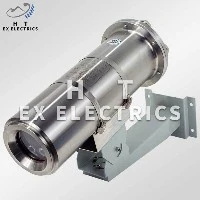
When it comes to safeguarding high - risk environments, choosing the right explosion - proof security camera is of utmost importance. As a trusted supplier of explosion - proof security cameras, I understand the complexities and challenges that customers face in making this crucial decision. In this blog, I'll guide you through the key factors to consider when selecting an explosion - proof security camera that meets your specific needs.
Understanding the Hazardous Environment
The first step in choosing the right explosion - proof security camera is to have a clear understanding of the hazardous environment where the camera will be installed. Hazardous areas are classified based on the likelihood of the presence of flammable gases, vapors, dusts, or fibers. Different types of cameras are designed to operate safely in specific hazardous classifications.
For instance, in areas where there is a high probability of explosive gas mixtures, you need cameras that are certified for gas - hazardous environments. On the other hand, in industrial settings with combustible dust, cameras certified for dust - hazardous areas are required. It's essential to consult safety regulations and standards such as ATEX, IECEx, or NEC 500 in the United States to ensure that the camera you choose complies with the requirements of your specific environment.
Camera Features and Requirements
Image Quality
One of the primary functions of a security camera is to capture clear and detailed images and videos. In high - risk environments, image quality becomes even more critical as it can be used for evidence in case of an incident. Look for cameras with high - resolution sensors, such as 4K or even higher, to ensure that you can capture every detail. Additionally, features like wide dynamic range (WDR) are essential in areas with varying lighting conditions, as they help to balance the exposure and prevent over - or under - exposed areas in the image.
Night Vision
Many hazardous environments operate around the clock, which means that the camera needs to have effective night - vision capabilities. Infrared (IR) technology is commonly used in explosion - proof security cameras for night vision. Explosion Proof Ir Camera can provide clear images in low - light or complete darkness. Make sure to check the IR range of the camera to ensure that it can cover the desired area at night.


Intrinsic Safety
In some extremely hazardous environments, intrinsic safety is a must. Intrinsically safe cameras are designed to limit the energy and heat generated within the camera to a level that cannot ignite a flammable atmosphere. Intrinsically Safe Infrared Camera is an excellent option for these environments. These cameras are often used in areas where the presence of explosive gases or dusts is continuous or frequent.
Digital Capabilities
With the advancement of technology, digital cameras offer many advantages over traditional analog cameras. Digital Explosion Proof Camera provides features such as remote access, video analytics, and easy integration with other security systems. Video analytics can help in detecting motion, objects, and even behaviors, which can be very useful in security monitoring. Remote access allows you to view the camera feeds from anywhere in the world using a smartphone, tablet, or computer, providing real - time surveillance and peace of mind.
Durability and Reliability
Explosion - proof security cameras are often installed in harsh industrial environments, which means they need to be durable and reliable. Look for cameras with robust enclosures that are resistant to corrosion, dust, and water. The enclosure should be rated according to the IP (Ingress Protection) and NEMA (National Electrical Manufacturers Association) standards. For example, an IP68 rating indicates that the camera is completely dust - tight and can be submerged in water for a certain period without damage.
In addition to the physical enclosure, the camera's internal components should also be of high quality. A reliable power supply and stable electronics are essential to ensure that the camera operates continuously without interruption. Some cameras also come with features like shock and vibration resistance, which are important in environments where there may be heavy machinery or other sources of vibration.
Installation and Maintenance
The ease of installation and maintenance is another important factor to consider. Explosion - proof cameras are typically more complex to install than regular security cameras due to the safety requirements. Make sure that the camera you choose comes with clear installation instructions and that your installation team has the necessary training and expertise to install it correctly.
Maintenance is also a crucial aspect. Look for cameras that are easy to access for cleaning, inspection, and replacement of parts. Some cameras have self - cleaning mechanisms, such as wiper blades or anti - fogging features, which can reduce the frequency of manual maintenance.
Cost - Benefit Analysis
While cost is always a consideration, it's important not to compromise on quality when choosing an explosion - proof security camera. A high - quality camera may have a higher upfront cost, but it can save you money in the long run by providing reliable performance, reducing the need for frequent replacements, and potentially preventing costly incidents.
When conducting a cost - benefit analysis, consider the total cost of ownership, which includes the purchase price, installation costs, maintenance costs, and the potential savings from improved security. Compare different camera models and suppliers to find the best balance between cost and performance.
Integration with Existing Systems
If you already have a security system in place, it's important to choose an explosion - proof camera that can be easily integrated with it. This can include integration with video management systems (VMS), access control systems, and alarm systems. Integration allows for a more comprehensive security solution, where all the components work together seamlessly.
Conclusion
Choosing the right explosion - proof security camera for your needs requires careful consideration of several factors, including the hazardous environment, camera features, durability, installation, cost, and integration. As a supplier of explosion - proof security cameras, I am committed to helping you find the best solution for your specific requirements.
If you have any questions or need further assistance in selecting the right explosion - proof security camera, please feel free to contact us. We can provide you with detailed product information, technical support, and guidance throughout the purchasing process. Our team of experts is ready to work with you to ensure that you get a high - quality, reliable, and cost - effective explosion - proof security camera that meets all your needs.
References
- ATEX Directive 2014/34/EU
- IECEx Scheme for Certification to Standards Relating to Equipment for Use in Explosive Atmospheres
- National Electrical Code (NEC) 500, United States