


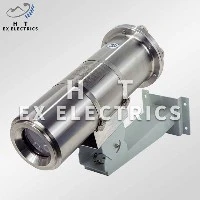

Installing a mine temperature sensor in a mine environment with high - frequency vibrations is a challenging yet crucial task. As a supplier of mine temperature sensors, I understand the importance of a proper installation process to ensure accurate temperature monitoring and the overall safety of the mine. In this blog, I will share some practical steps and considerations for installing a mine temperature sensor in such a demanding environment.
Understanding the Challenges of High - Frequency Vibrations in Mines
High - frequency vibrations in mines can be caused by various factors, such as heavy machinery operation, blasting activities, and geological movements. These vibrations can have a significant impact on the performance and lifespan of temperature sensors. For instance, vibrations can cause mechanical stress on the sensor components, leading to loose connections, damaged wires, or even sensor failure. Moreover, the vibrations can also introduce noise into the sensor readings, making it difficult to obtain accurate temperature data.
Selecting the Right Mine Temperature Sensor
Before starting the installation process, it is essential to select a temperature sensor that is suitable for high - frequency vibration environments. Our company offers a range of Intrinsically Safe Temperature Sensor that are designed to withstand harsh conditions. These sensors are built with robust materials and advanced shock - resistant technology to minimize the impact of vibrations. They also have excellent noise - filtering capabilities to ensure accurate temperature measurements.
When choosing a sensor, consider the following factors:
- Measurement Range: Determine the temperature range that needs to be monitored in the mine. Our sensors can cover a wide range of temperatures, from extremely cold to very high temperatures, depending on the specific requirements of the mine.
- Accuracy: High accuracy is crucial for temperature monitoring in mines. Look for sensors with a high level of accuracy to ensure reliable data collection.
- Response Time: A fast response time is necessary to detect sudden temperature changes in the mine. Our sensors are designed to provide quick and accurate responses to temperature variations.
Pre - installation Preparation
Once you have selected the appropriate temperature sensor, the next step is to prepare for the installation. Here are some important pre - installation tasks:


- Site Assessment: Conduct a thorough assessment of the mine site where the sensor will be installed. Identify the areas with high - frequency vibrations and determine the best location for the sensor. The location should be away from direct sources of vibration, such as heavy machinery or blasting areas, if possible.
- Safety Measures: Ensure that all safety measures are in place before starting the installation. This includes wearing appropriate personal protective equipment (PPE) and following all mine safety regulations.
- Power Supply: Check the availability of a suitable power supply at the installation site. Our sensors can be powered by various sources, such as batteries, solar panels, or a direct electrical connection. Make sure the power supply is stable and can provide the necessary voltage and current for the sensor to operate properly.
- Communication Infrastructure: If the sensor needs to transmit data to a central monitoring system, ensure that the communication infrastructure is in place. This may involve installing cables, wireless routers, or other communication devices.
Installation Process
The installation process of a mine temperature sensor in a high - frequency vibration environment requires careful attention to detail. Here are the general steps:
- Mounting the Sensor: Use a suitable mounting bracket or fixture to secure the sensor in place. Make sure the mounting is firm and stable to minimize the impact of vibrations. The sensor should be mounted in a vertical or horizontal position, depending on the design of the sensor and the installation requirements.
- Connecting the Wires: Connect the sensor wires to the appropriate terminals on the power supply and communication devices. Ensure that the connections are tight and secure to prevent any loose connections due to vibrations. Use wire connectors or soldering techniques to ensure reliable electrical connections.
- Calibrating the Sensor: After the sensor is installed, calibrate it to ensure accurate temperature measurements. Follow the manufacturer's instructions for calibration, which may involve using a reference temperature source or a calibration device. Calibration is an important step to ensure the reliability of the sensor readings.
- Testing the Sensor: Once the sensor is calibrated, test it to ensure that it is working properly. Check the temperature readings on the monitoring system and compare them with the actual temperature in the mine. If there are any discrepancies, adjust the sensor settings or check for any installation issues.
Protecting the Sensor from Vibrations
In addition to selecting a vibration - resistant sensor and proper installation, it is also important to take additional measures to protect the sensor from vibrations. Here are some suggestions:
- Vibration Isolation Mounts: Use vibration isolation mounts to reduce the transfer of vibrations from the mounting surface to the sensor. These mounts can absorb and dampen the vibrations, protecting the sensor from damage.
- Shielding: Install a shielding device around the sensor to protect it from mechanical shocks and vibrations. The shielding can be made of materials such as rubber, foam, or metal, depending on the level of protection required.
- Regular Maintenance: Conduct regular maintenance on the sensor to check for any signs of damage or wear due to vibrations. This includes inspecting the sensor connections, wires, and mounting hardware, and replacing any damaged components as needed.
Monitoring and Maintenance
After the installation, it is important to continuously monitor the sensor performance and conduct regular maintenance to ensure its long - term reliability. Here are some monitoring and maintenance tasks:
- Data Monitoring: Monitor the temperature data on the monitoring system regularly to detect any abnormal temperature changes or sensor malfunctions. Set up alarms or notifications to alert the mine operators in case of any issues.
- Inspection and Cleaning: Inspect the sensor and its components regularly for any signs of damage, dirt, or corrosion. Clean the sensor and its connections as needed to ensure proper operation.
- Software Updates: Keep the sensor software up - to - date to ensure the latest features and performance improvements. Check the manufacturer's website for any software updates and follow the instructions for installation.
Conclusion
Installing a mine temperature sensor in a mine with high - frequency vibrations requires careful planning, proper selection of the sensor, and attention to detail during the installation process. By following the steps and suggestions outlined in this blog, you can ensure a successful installation and reliable temperature monitoring in the mine.
As a supplier of high - quality mine temperature sensors, we are committed to providing our customers with the best products and technical support. If you are interested in purchasing our Intrinsically Safe Temperature Sensor or have any questions about installation and maintenance, please feel free to contact us for a detailed discussion and procurement negotiation.
References
- Mine Safety and Health Administration (MSHA). "Safety Standards for Mines."
- Manufacturer's Manuals for Mine Temperature Sensors.