




As a supplier of explosion-proof and intrinsically safe equipment, ensuring the integrity of explosion-proof and intrinsically safe barriers is of utmost importance. These barriers play a crucial role in preventing the ignition of explosive atmospheres by limiting the energy that can be transferred to a hazardous area. In this blog post, I will share some insights on how to test the integrity of these barriers effectively.
Understanding Explosion-Proof and Intrinsically Safe Barriers
Before delving into the testing methods, it's essential to understand the fundamental concepts of explosion-proof and intrinsically safe barriers. Intrinsically Safe Explosion Proof barriers are designed to limit the electrical energy in a circuit to a level that is insufficient to ignite an explosive atmosphere. They achieve this by using various techniques such as current limiting, voltage clamping, and energy storage limitation.
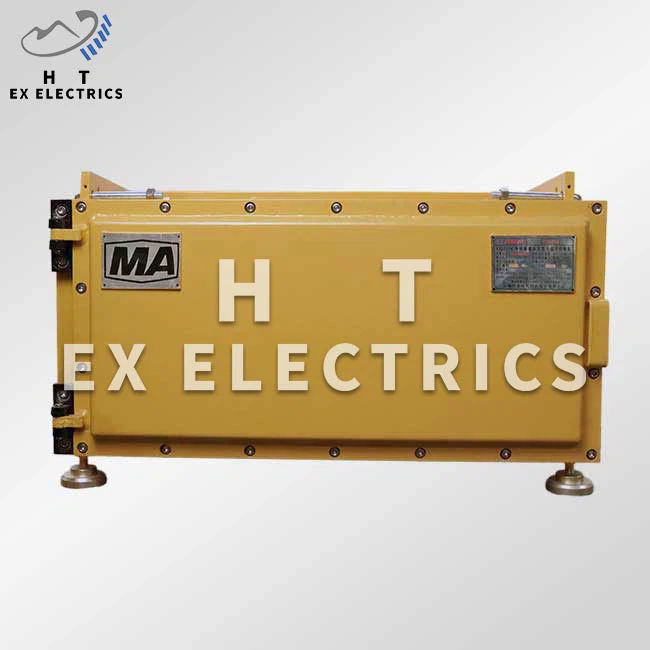
On the other hand, explosion-proof barriers are designed to contain an explosion within the enclosure and prevent it from spreading to the surrounding environment. These barriers are typically made of robust materials and are designed to withstand the pressure and heat generated by an internal explosion.
Importance of Testing Integrity
Testing the integrity of explosion-proof and intrinsically safe barriers is crucial for several reasons. Firstly, it ensures the safety of personnel working in hazardous areas. A faulty barrier can allow excessive energy to reach the hazardous area, increasing the risk of an explosion. Secondly, it helps to maintain compliance with relevant safety standards and regulations. Many industries have strict requirements regarding the use of explosion-proof and intrinsically safe equipment, and regular testing is often mandatory. Finally, it helps to identify potential issues before they become major problems, reducing downtime and maintenance costs.
Testing Methods
There are several methods available for testing the integrity of explosion-proof and intrinsically safe barriers. The choice of method depends on various factors such as the type of barrier, the application, and the available testing equipment. Here are some common testing methods:

Visual Inspection
Visual inspection is the simplest and most basic method of testing. It involves examining the barrier for any signs of physical damage, such as cracks, dents, or corrosion. Any visible damage should be reported immediately, and the barrier should be replaced if necessary.
Electrical Testing
Electrical testing is a more comprehensive method of testing the integrity of explosion-proof and intrinsically safe barriers. It involves measuring the electrical parameters of the barrier, such as resistance, capacitance, and inductance, to ensure that they are within the specified limits. Electrical testing can be performed using a variety of instruments, such as multimeters, oscilloscopes, and insulation resistance testers.
Functional Testing
Functional testing involves testing the barrier under normal operating conditions to ensure that it is functioning correctly. This can be done by simulating the input and output signals of the barrier and verifying that the output signals are within the specified limits. Functional testing can be performed using a variety of test equipment, such as signal generators, power supplies, and data acquisition systems.
Performance Testing
Performance testing involves testing the barrier under extreme conditions to ensure that it can withstand the stresses and strains of real-world applications. This can be done by subjecting the barrier to high temperatures, high pressures, and other environmental factors. Performance testing can be performed using specialized test equipment, such as environmental chambers and pressure vessels.
Testing Frequency
The frequency of testing the integrity of explosion-proof and intrinsically safe barriers depends on various factors such as the type of barrier, the application, and the operating environment. In general, it is recommended to perform visual inspections on a regular basis, such as monthly or quarterly. Electrical, functional, and performance testing should be performed at least annually, or more frequently if required by the relevant safety standards and regulations.
Documentation and Record-Keeping
It is important to document and keep records of all testing activities. This includes the date of testing, the type of test performed, the results of the test, and any actions taken as a result of the test. Documentation and record-keeping help to demonstrate compliance with relevant safety standards and regulations, and they also provide a historical record of the performance of the barriers.
Conclusion
Testing the integrity of explosion-proof and intrinsically safe barriers is a critical part of ensuring the safety of personnel and equipment in hazardous areas. By using a combination of visual inspection, electrical testing, functional testing, and performance testing, it is possible to identify and address potential issues before they become major problems. Regular testing, documentation, and record-keeping are essential for maintaining compliance with relevant safety standards and regulations.
If you are in the market for high-quality explosion-proof and intrinsically safe barriers, or if you have any questions about testing their integrity, please feel free to contact us. We are a leading supplier of Intrinsically Safe Explosion-proof System and can provide you with the expertise and support you need to ensure the safety of your operations.
References
- IEC 60079-11: Explosive atmospheres - Part 11: Equipment protection by intrinsic safety "i".
- UL 913: Standard for Intrinsically Safe Apparatus and Associated Apparatus for Use in Class I, II, and III, Division 1, Hazardous (Classified) Locations.
- ATEX Directive 2014/34/EU: Equipment and protective systems intended for use in potentially explosive atmospheres.