


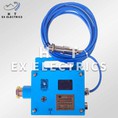


What are the power requirements for a water level sensor?
As a supplier of water level sensors, I often get asked about the power requirements for these essential devices. Understanding the power needs of a water level sensor is crucial for ensuring its proper operation, efficiency, and compatibility with your specific application. In this blog post, I'll delve into the various factors that influence the power requirements of water level sensors and provide insights to help you make informed decisions.
Types of Water Level Sensors and Their Power Consumption
There are several types of water level sensors available on the market, each with its own unique power consumption characteristics. Here are some of the most common types:
-
Float Switches: Float switches are simple and cost - effective water level sensors. They operate based on the principle of a floating object rising or falling with the water level, which in turn activates a switch. Float switches typically have very low power requirements, often relying on mechanical action rather than continuous electrical power. In most cases, they only draw power when the switch is actuated, making them extremely energy - efficient.

-
Capacitive Water Level Sensors: Capacitive sensors measure the water level by detecting changes in capacitance. These sensors usually require a small amount of electrical power to operate the sensing circuit and process the data. The power consumption of capacitive water level sensors can vary depending on the sensor's design, sensitivity, and the frequency of measurements. Generally, they consume a few milliamperes of current, which is relatively low.
-
Ultrasonic Water Level Sensors: Ultrasonic sensors work by emitting ultrasonic waves and measuring the time it takes for the waves to bounce back from the water surface. These sensors need power to generate the ultrasonic waves, as well as to process the received signals. The power consumption of ultrasonic water level sensors is typically higher than that of float switches and capacitive sensors. It can range from tens of milliamperes to a few hundred milliamperes, depending on the sensor's size, range, and operating frequency.
-
Pressure - Based Water Level Sensors: Pressure - based sensors measure the water level by detecting the pressure exerted by the water column. They require power to operate the pressure sensing element and the associated signal conditioning circuitry. The power consumption of pressure - based water level sensors can vary, but it is generally in the range of a few milliamperes to tens of milliamperes.
Factors Affecting Power Requirements
Several factors can influence the power requirements of a water level sensor:
-
Measurement Frequency: The more frequently a sensor takes measurements, the more power it will consume. For applications where real - time data is not critical, reducing the measurement frequency can significantly lower the power consumption.
-
Sensor Range and Accuracy: Sensors with a larger measurement range and higher accuracy often require more power to operate. This is because they need more sophisticated circuitry and components to achieve precise measurements over a wider range.
-
Environmental Conditions: Harsh environmental conditions, such as extreme temperatures, humidity, or the presence of corrosive substances, can increase the power requirements of a water level sensor. In such conditions, the sensor may need additional power to compensate for the effects of the environment on its performance.
-
Communication Interface: If the water level sensor needs to communicate its data to a remote location or a control system, the power consumption will depend on the type of communication interface used. For example, sensors that use wireless communication protocols like Wi - Fi or Bluetooth generally consume more power than those that use a simple wired connection.
Power Supply Options
When it comes to powering water level sensors, there are several options available:
-
Battery - Powered: Battery - powered sensors are a popular choice for applications where a wired power source is not available or convenient. They offer the advantage of portability and easy installation. However, the power capacity of batteries is limited, so the sensor's power consumption needs to be carefully considered to ensure a long battery life.
-
AC - Powered: For applications where a continuous power supply is available, AC - powered sensors are a reliable option. They can provide a stable and consistent power source, eliminating the need for battery replacement. However, they require a nearby electrical outlet and may involve additional wiring.
-
Solar - Powered: Solar - powered sensors are an environmentally friendly option, especially for outdoor applications. They use solar panels to convert sunlight into electrical energy, which is stored in a battery for later use. Solar - powered sensors can operate independently of the grid, but their performance may be affected by weather conditions and the amount of sunlight available.

Compatibility with Other Devices
In many cases, water level sensors are used in conjunction with other devices, such as Explosion - Proof Ball Valve or Automatic Water Spraying Dust Reduction Device Main Unit. When selecting a water level sensor, it's important to ensure that its power requirements are compatible with the power supply capabilities of these other devices. For example, if the sensor is part of a larger system that is powered by a single power source, the total power consumption of all the devices in the system needs to be within the capacity of the power source.
Conclusion
Understanding the power requirements of a water level sensor is essential for ensuring its proper operation and compatibility with your application. By considering the type of sensor, measurement frequency, environmental conditions, and power supply options, you can select a water level sensor that meets your needs while minimizing power consumption. As a supplier of Water Level Sensor, I can provide you with detailed information about the power requirements of our sensors and help you choose the right one for your project.

If you're interested in learning more about our water level sensors or have any questions regarding power requirements, please don't hesitate to contact us for a purchase negotiation. We're here to assist you in finding the best solution for your water level monitoring needs.
References
- "Water Level Sensor Handbook" - Industry - standard reference on water level sensors.
- "Power Management in Sensor Systems" - Academic research on power consumption in sensor devices.