


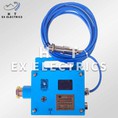


Can explosion - proof and intrinsically safe equipment be used in offshore applications?
Offshore applications, such as oil and gas platforms, offshore wind farms, and marine research facilities, operate in some of the most challenging and hazardous environments on Earth. These environments are often characterized by the presence of flammable gases, vapors, and dusts, which pose a significant risk of explosion. As a leading supplier of explosion - proof and intrinsically safe equipment, I am frequently asked whether our products can be used in these demanding offshore settings. In this blog post, I will explore the feasibility and benefits of using explosion - proof and intrinsically safe equipment in offshore applications.
Understanding Explosion - Proof and Intrinsically Safe Equipment
Before delving into their applicability in offshore scenarios, it's essential to understand what explosion - proof and intrinsically safe equipment are.
Explosion - proof equipment is designed to contain an internal explosion without allowing it to propagate to the surrounding hazardous environment. This is typically achieved through robust enclosures that can withstand the pressure generated by an internal explosion and prevent flames or hot gases from escaping. For example, explosion - proof motors are often used in industrial settings where there is a risk of flammable substances being present.
On the other hand, intrinsically safe equipment is designed to limit electrical and thermal energy to a level that is insufficient to ignite a specific hazardous atmosphere. This is achieved by carefully controlling the electrical circuits and components within the equipment. Intrinsically safe devices are commonly used in areas where there is a high risk of explosion, such as chemical plants and oil refineries. You can learn more about Intrinsically Safe Explosion - proof System and Intrinsically Safe Explosion Proof on our website.
Challenges in Offshore Applications
Offshore applications present a unique set of challenges that must be considered when selecting equipment. Firstly, the harsh marine environment is characterized by high humidity, saltwater corrosion, strong winds, and extreme temperature variations. These conditions can cause significant damage to equipment over time if it is not properly designed and protected.
Secondly, the presence of flammable gases and vapors is a constant concern in offshore oil and gas operations. Any electrical or mechanical equipment used in these areas must be able to prevent the ignition of these hazardous substances. Additionally, the limited space and difficult access on offshore platforms make maintenance and repair of equipment a complex and costly task.
Suitability of Explosion - Proof and Intrinsically Safe Equipment for Offshore Use
Despite these challenges, explosion - proof and intrinsically safe equipment are well - suited for offshore applications. Here are some reasons why:
Safety
The primary advantage of using explosion - proof and intrinsically safe equipment in offshore settings is safety. In an environment where the risk of explosion is high, these types of equipment can significantly reduce the likelihood of a catastrophic event. By containing internal explosions or preventing the ignition of flammable substances, they protect both personnel and assets on the offshore platform.
Durability
Many explosion - proof and intrinsically safe equipment are built to withstand harsh environmental conditions. They are often made from corrosion - resistant materials and are designed to be weatherproof. This makes them suitable for long - term use in the challenging offshore environment. For example, our explosion - proof enclosures are made from high - grade stainless steel, which provides excellent resistance to saltwater corrosion.
Compliance
Offshore operations are subject to strict safety regulations and standards. Using explosion - proof and intrinsically safe equipment helps ensure compliance with these requirements. Regulatory bodies such as the International Electrotechnical Commission (IEC) and the American National Standards Institute (ANSI) have established standards for the design and use of explosion - proof and intrinsically safe equipment in hazardous environments.
Specific Applications in Offshore Scenarios
Oil and Gas Platforms
On oil and gas platforms, explosion - proof and intrinsically safe equipment are used in various applications. For example, intrinsically safe sensors are used to monitor the presence of flammable gases and vapors in the atmosphere. These sensors can detect even small concentrations of hazardous substances and trigger an alarm or shutdown system if necessary. Explosion - proof lighting fixtures are also commonly used to provide illumination in areas where there is a risk of explosion.
Offshore Wind Farms
In offshore wind farms, explosion - proof and intrinsically safe equipment can be used in the electrical control systems of the wind turbines. These systems are responsible for regulating the power output of the turbines and ensuring their safe operation. By using explosion - proof and intrinsically safe equipment, the risk of electrical fires or explosions in these critical systems can be minimized.
Marine Research Facilities
Marine research facilities often conduct experiments and studies in environments where there is a risk of explosion, such as laboratories on board research vessels. Explosion - proof and intrinsically safe equipment can be used in these facilities to ensure the safety of the researchers and the integrity of the experiments.
Considerations When Selecting Equipment for Offshore Use
When selecting explosion - proof and intrinsically safe equipment for offshore applications, several factors should be considered. Firstly, the equipment must be certified to meet the relevant safety standards for the specific hazardous environment. This includes standards for gas groups, temperature classes, and protection levels.
Secondly, the equipment should be designed to withstand the harsh marine environment. This includes resistance to corrosion, moisture, and extreme temperatures. Additionally, the equipment should be easy to install, maintain, and repair, given the limited space and access on offshore platforms.
Finally, it's important to consider the cost - effectiveness of the equipment. While explosion - proof and intrinsically safe equipment may initially be more expensive than standard equipment, the long - term benefits in terms of safety and reliability can outweigh the upfront costs.
Conclusion
In conclusion, explosion - proof and intrinsically safe equipment can and should be used in offshore applications. Their ability to provide a high level of safety, durability, and compliance makes them an ideal choice for the challenging and hazardous environments found in offshore oil and gas platforms, wind farms, and marine research facilities.
As a supplier of explosion - proof and intrinsically safe equipment, we have the expertise and experience to provide you with the right solutions for your offshore applications. Our products are designed and manufactured to the highest quality standards and are backed by our commitment to customer service.
If you are interested in learning more about our explosion - proof and intrinsically safe equipment or would like to discuss your specific offshore requirements, please don't hesitate to reach out. We are here to help you make the best choices for your safety and operational needs.


References
- International Electrotechnical Commission (IEC) standards for explosion - proof equipment.
- American National Standards Institute (ANSI) standards for intrinsically safe equipment.
- Industry reports on offshore safety and equipment requirements.