


Hey there! I'm working for a supplier that specializes in explosion - proof and intrinsically safe equipment. Picking the right explosion - proof and intrinsically safe equipment can be a real head - scratcher, but don't worry, I'm here to walk you through it.
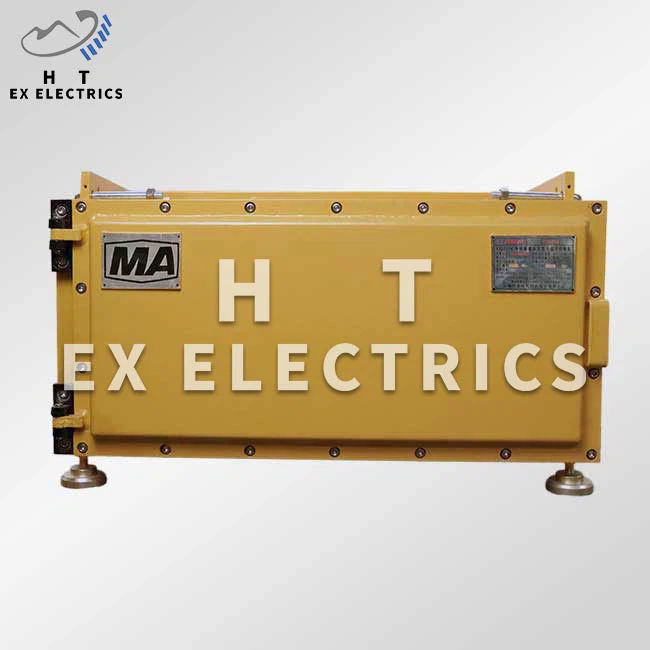
First off, let's get the basics down. Explosion - proof equipment is designed to contain an explosion that might happen inside it. It's built tough so that if there's an internal explosion, it won't spread outside and cause a bigger mess. On the other hand, intrinsically safe equipment is made in a way that it doesn't have enough energy to cause an explosion in a flammable environment. It's all about keeping things safe from the start.
One of the first things you need to think about is the environment where the equipment will be used. Is it a place with lots of flammable gases, like an oil refinery? Or maybe there are combustible dusts around, such as in a grain silo? Different environments have different risks, and you need equipment that can handle those specific hazards. For example, in a gas - filled area, you'll want equipment that's certified for the types of gases present. The classification of the hazardous area is crucial here. Areas are divided into zones based on how likely it is for a flammable atmosphere to be present. Zone 0 is where a flammable gas is continuously present, Zone 1 is where it's likely to be present under normal operating conditions, and Zone 2 is where it's only likely to be present occasionally. You can't just use any old equipment in these zones. You need stuff that's rated for the specific zone.
Certifications are another big deal. You should always look for equipment that has proper certifications from recognized bodies. These certifications show that the equipment has been tested and meets certain safety standards. For instance, in Europe, the ATEX directive is well - known. It sets out the requirements for equipment used in explosive atmospheres. In the US, you've got the NEC (National Electrical Code) which also has rules for explosion - proof and intrinsically safe equipment. If a piece of equipment doesn't have the right certifications, it's a red flag. You don't want to take chances with safety, right?
Now, let's talk about the type of equipment. There are all sorts of explosion - proof and intrinsically safe gear out there, from sensors and switches to lighting fixtures. When you're choosing a sensor, for example, you need to think about what it's supposed to detect. Is it temperature, pressure, or the presence of a certain gas? The accuracy and reliability of the sensor are super important. You don't want a sensor that gives false readings or breaks down easily. And when it comes to lighting, you need to make sure it provides enough illumination for the area but also meets the safety requirements. You can check out [Intrinsically Safe Explosion - proof System](/device/explosion - proof - and - intrinsically/intrinsically - safe - explosion - proof - system.html) for more info on some of these systems.
Cost is always a factor, too. But you can't just go for the cheapest option. Remember, safety is the top priority. Sometimes, spending a bit more upfront can save you a ton of money in the long run. A high - quality piece of equipment is likely to last longer and require less maintenance. You also need to think about the total cost of ownership, which includes things like installation, training, and replacement parts.
Maintenance and support are often overlooked but are really important. You need to make sure that the equipment you choose is easy to maintain. It should come with clear instructions on how to clean, calibrate, and repair it. And it's great if the supplier offers good support. That way, if you run into any problems, you can get help quickly.
Another thing to consider is the compatibility of the equipment. If you're adding new equipment to an existing system, it needs to work well with what you already have. You don't want to end up with a bunch of equipment that doesn't communicate properly or causes other issues.
Let's dig a bit deeper into intrinsically safe equipment. Intrinsically safe devices are really cool because they're designed to limit the energy so much that they can't cause an explosion. They're often used in really sensitive areas where even a small spark could be disastrous. You can learn more about [Intrinsically Safe Explosion Proof](/device/explosion - proof - and - intrinsically/intrinsically - safe - explosion - proof.html) on this page.
When it comes to choosing between explosion - proof and intrinsically safe equipment, it depends on the situation. In some cases, explosion - proof equipment might be overkill, and intrinsically safe equipment will do the job just fine. In other situations, especially in high - risk areas, you might need the extra protection that explosion - proof equipment provides.
Now, I know all this can seem a bit overwhelming, but don't stress. Our company has been in the business for a long time, and we've got a team of experts who can help you make the right choice. Whether you're setting up a new facility or just looking to upgrade your existing equipment, we can provide you with the best solutions.
If you're interested in learning more or are ready to start the procurement process, we're here to have a chat with you. We can go over your specific needs, answer all your questions, and help you find the perfect explosion - proof and intrinsically safe equipment for your situation. Don't hesitate to reach out and start the conversation about your procurement needs.
References

- ATEX Directive - European Union's regulations for equipment in explosive atmospheres
- National Electrical Code (NEC) - US regulations for electrical equipment in hazardous areas