


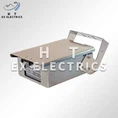

What are the installation requirements for explosion - proof cameras?
Hey there! I'm from an explosion - proof camera supplier, and today, I wanna chat about the installation requirements for explosion - proof cameras. These little gadgets are super important in places where there's a risk of explosions, like oil refineries, chemical plants, and coal mines. So, let's dig into it!
1. Site Assessment
Before you even think about installing an explosion - proof camera, you gotta do a thorough site assessment. First off, figure out the hazardous area classification. There are different zones based on the likelihood of an explosive atmosphere being present. For example, Zone 0 is an area where an explosive gas - air mixture is continuously present or present for long periods. Zone 1 is where an explosive gas - air mixture is likely to occur in normal operation, and Zone 2 is where an explosive gas - air mixture is not likely to occur in normal operation and, if it does occur, will exist only for a short time.
You also need to consider the type of explosive substances in the area. Is it a gas, vapor, or dust? Different substances have different properties, and the explosion - proof camera you choose and how you install it will depend on these substances. For instance, if it's a dust - hazardous area, the camera must be designed to prevent dust ingress that could potentially cause an explosion.
2. Choosing the Right Explosion - Proof Camera
Once you've done the site assessment, it's time to pick the right camera. We offer a variety of explosion - proof cameras, like the Explosion - Proof AI Camera. This bad boy uses AI technology to provide real - time analysis of the monitored area, which can be super useful in dangerous environments.
If you're in a coal mine, our Coal Mine Safety Monitoring System is a great choice. It's specifically designed to meet the safety requirements of coal mines and can help detect any potential safety hazards.
There's also the Intrinsically Safe Explosion Proof Camera, which is designed to limit the energy in electrical circuits to a level below what's needed to ignite an explosive atmosphere. And for those places where you need night - vision, our Explosion Proof Ir Camera is perfect, with infrared technology to see in the dark. The Digital Explosion Proof Camera offers high - definition digital imaging for clear monitoring.
3. Installation Location
The location where you install the explosion - proof camera is crucial. You want to place it in an area that provides a clear view of the area you want to monitor. Avoid places where the camera could be easily damaged, like near moving machinery or areas prone to impact.
Make sure the camera is installed at the right height. If it's too low, it might get blocked by objects or people. If it's too high, it might not capture the details you need. You also need to consider the angle of the camera. It should be aimed at the area you want to monitor without any obstructions.
4. Electrical Connections
When it comes to electrical connections, you gotta be extra careful. All electrical connections must be made in accordance with the relevant electrical codes and standards. Use explosion - proof cables and fittings to prevent any electrical sparks that could ignite an explosive atmosphere.
The power supply for the camera should be stable and reliable. You don't want the camera to stop working because of a power outage. It's a good idea to have a backup power source in case of emergencies.
5. Sealing and Enclosure
The explosion - proof camera must be properly sealed and enclosed. The enclosure should be able to withstand the pressure and temperature of an explosion without allowing the flame to propagate outside. Check the IP (Ingress Protection) rating of the camera. A higher IP rating means better protection against dust and water ingress.


Make sure all the panels, doors, and joints of the enclosure are tightly sealed. Any gaps or openings could allow explosive substances to enter the enclosure, which is a big no - no.
6. Grounding
Proper grounding is essential for explosion - proof cameras. Grounding helps to prevent the build - up of static electricity, which could potentially cause an explosion. All metal parts of the camera and its enclosure should be grounded to a reliable earth point.
Use grounding conductors of the appropriate size and type. The grounding system should be regularly inspected to ensure it's in good working condition.
7. Maintenance and Testing
After installation, regular maintenance and testing are a must. Check the camera's performance regularly to make sure it's working properly. Clean the camera lens to ensure clear images.
Test the explosion - proof features of the camera and its enclosure. This could involve checking for any signs of damage, wear, or corrosion. If you find any issues, replace the damaged parts immediately.
Conclusion
Installing explosion - proof cameras is a serious business. It requires careful planning, the right equipment, and proper installation techniques. By following these installation requirements, you can ensure that your explosion - proof cameras work effectively and safely in hazardous environments.
If you're interested in purchasing explosion - proof cameras for your project, we're here to help. We have a wide range of high - quality cameras to meet your needs. Just contact us for more information and to start a procurement discussion.