


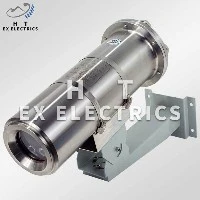
Are intrinsically safe photo sensors suitable for use in oil and gas industries?
The oil and gas industries operate in some of the most hazardous environments on the planet. These environments are fraught with risks such as explosive gases, flammable liquids, and high - pressure conditions. Safety is of paramount importance, and any equipment used in these settings must meet strict safety standards. As a supplier of Intrinsically Safe Photo Sensors, I am often asked whether our products are suitable for use in the oil and gas sectors. In this blog, I will explore this question in detail.
Understanding Intrinsically Safe Photo Sensors
Intrinsically safe photo sensors are designed to operate in hazardous areas without causing an explosion. They are engineered to limit the electrical and thermal energy within the device to a level that is insufficient to ignite the surrounding explosive atmosphere. This is achieved through careful design, use of appropriate materials, and strict manufacturing processes.
Photo sensors work by emitting a light beam and detecting the reflection or interruption of that beam. They are used for a variety of applications, including object detection, position sensing, and level measurement. In an intrinsically safe version, all the components, from the light - emitting source to the detection circuitry, are designed to prevent the generation of sparks or excessive heat that could trigger an explosion.
The Requirements of the Oil and Gas Industries
The oil and gas industries have unique requirements when it comes to equipment. First and foremost, all equipment must be able to withstand the harsh environmental conditions. These include extreme temperatures, high humidity, and exposure to corrosive chemicals. Additionally, the equipment must be able to operate in areas where explosive gases such as methane are present.


Safety regulations in the oil and gas industries are also very strict. Equipment must comply with international standards such as IECEx (International Electrotechnical Commission System for Certification to Standards Relating to Equipment for Use in Explosive Atmospheres) and ATEX (Atmosphères Explosibles), which set the requirements for equipment used in explosive atmospheres.
Suitability of Intrinsically Safe Photo Sensors in Oil and Gas
Advantages
- Safety: The most significant advantage of using intrinsically safe photo sensors in the oil and gas industries is safety. Since they are designed to prevent the ignition of explosive atmospheres, they can be used in areas where other types of sensors might pose a risk. For example, in a refinery where there are storage tanks filled with flammable liquids, an intrinsically safe photo sensor can be used to measure the liquid level without the fear of causing an explosion.
- Reliability: These sensors are built to be robust and reliable. They can withstand the harsh environmental conditions typically found in oil and gas facilities. They are resistant to dust, moisture, and vibration, which ensures consistent performance over a long period.
- Versatility: Intrinsically safe photo sensors can be used for a wide range of applications in the oil and gas industries. They can be used for pipeline monitoring, where they can detect the presence of objects or measure the flow rate. They can also be used in drilling operations for position sensing and object detection.
Challenges
- Cost: Intrinsically safe photo sensors are generally more expensive than their non - intrinsically safe counterparts. The additional design and manufacturing processes required to ensure safety add to the cost. However, when considering the potential cost of an explosion and the associated downtime, the investment in intrinsically safe sensors can be justified.
- Limited Range and Sensitivity: In some cases, the need to limit energy can result in a slightly reduced range and sensitivity compared to non - intrinsically safe sensors. However, advancements in technology are continuously improving these aspects, and modern intrinsically safe photo sensors can offer performance that is comparable to standard sensors in many applications.
Comparison with Other Intrinsically Safe Sensors
In the oil and gas industries, there are other types of intrinsically safe sensors available, such as Intrinsically Safe Infrared Temperature Sensor, Intrinsically Safe Speed Sensor, and Intrinsically Safe Laser Distance Sensor.
- Infrared Temperature Sensors: These are used to measure the temperature of objects without making physical contact. They are useful in areas where it is difficult or dangerous to use contact - type temperature sensors. While they are excellent for temperature measurement, they cannot perform the object detection and position sensing functions that photo sensors can.
- Speed Sensors: These sensors are used to measure the speed of rotating equipment such as pumps and motors. They are essential for monitoring the performance of machinery. However, they have a very specific application and cannot be used for the wide range of applications that photo sensors can handle.
- Laser Distance Sensors: These sensors are used to measure distances accurately. They are useful in applications where precise distance measurement is required, such as in the construction of oil platforms. But again, their application is more limited compared to photo sensors, which can be used for multiple purposes.
Case Studies
Let's look at a few case studies to illustrate the suitability of intrinsically safe photo sensors in the oil and gas industries.
In an offshore oil rig, an intrinsically safe photo sensor was used to monitor the position of a drill bit. The sensor was able to operate reliably in the harsh marine environment, withstanding high winds, saltwater spray, and extreme temperature variations. It provided accurate position data, which was crucial for the safe and efficient operation of the drilling process.
In a petrochemical plant, an intrinsically safe photo sensor was installed to detect the presence of objects on a conveyor belt. The sensor was used in an area where there was a risk of explosive vapors. By using an intrinsically safe sensor, the plant was able to ensure the safety of its workers and prevent any potential explosions.
Conclusion
In conclusion, intrinsically safe photo sensors are highly suitable for use in the oil and gas industries. Their safety features, reliability, and versatility make them an ideal choice for a wide range of applications in these hazardous environments. While there are some challenges such as cost and slightly reduced performance in some aspects, the benefits far outweigh the drawbacks.
If you are involved in the oil and gas industries and are looking for reliable and safe sensor solutions, I encourage you to consider our intrinsically safe photo sensors. Our team of experts can work with you to understand your specific requirements and provide the best sensor solution for your needs. We are committed to providing high - quality products that meet the strict safety standards of the oil and gas industries. Contact us to start a discussion about your procurement needs and let us help you find the perfect sensor for your operations.
References
- IECEx Standards for Equipment in Explosive Atmospheres.
- ATEX Directive for Equipment in Explosive Atmospheres.
- Industry reports on the use of sensors in the oil and gas industries.