



In the complex and high - risk environment of military operations, the selection of equipment is of paramount importance. One question that often arises is whether intrinsically safe signal devices can be used in military applications. As a supplier of intrinsically safe signal devices, I'd like to explore this topic in depth.


Understanding Intrinsically Safe Signal Devices
Intrinsically safe signal devices are designed to operate in hazardous environments without causing ignition. They limit the energy available in electrical and thermal forms to a level below that which can ignite a specific hazardous atmosphere. These devices are commonly used in industries such as oil and gas, chemical, and mining, where the presence of flammable gases, vapors, or dusts creates a high - risk environment.
The key principle behind intrinsically safe technology is to prevent the release of sufficient energy to cause an explosion. This is achieved through various design features, such as limiting the voltage, current, and power in the electrical circuits of the device. For example, resistors and capacitors are used to control the flow of electricity and prevent the build - up of excessive energy.
Advantages of Intrinsically Safe Signal Devices in Military Applications
Safety
The primary advantage of using intrinsically safe signal devices in military applications is safety. Military operations often take place in diverse and potentially hazardous environments, including areas with flammable substances or explosive atmospheres. Intrinsically safe devices reduce the risk of ignition, protecting both military personnel and valuable equipment. For instance, in a military fuel storage facility, the use of intrinsically safe signal devices can prevent accidental explosions that could result from electrical malfunctions.
Reliability
Intrinsically safe signal devices are designed to be highly reliable. They are built to withstand harsh environmental conditions, such as extreme temperatures, humidity, and vibrations. In military operations, where equipment may be subject to rough handling and adverse weather, the reliability of signal devices is crucial. A reliable signal device ensures that critical information is transmitted accurately and in a timely manner, which is essential for the success of military missions.
Compatibility
These devices are often designed to be compatible with a wide range of systems. They can be integrated into existing military communication and control systems, allowing for seamless operation. This compatibility makes it easier for the military to adopt intrinsically safe signal devices without having to make significant changes to their existing infrastructure.
Challenges and Considerations
Performance Requirements
Military applications have strict performance requirements. Signal devices need to be able to operate over long distances, in noisy environments, and under various interference conditions. While intrinsically safe signal devices are designed to be safe, ensuring that they meet these high - performance standards can be a challenge. For example, in a battlefield scenario, the signal device needs to be able to transmit clear and accurate information despite the presence of electromagnetic interference.
Cost
The cost of intrinsically safe signal devices can be relatively high compared to non - intrinsically safe alternatives. This is due to the additional design and manufacturing processes required to ensure safety. For the military, which often operates on a tight budget, the cost factor needs to be carefully considered. However, it's important to weigh the cost against the potential benefits of safety and reliability.
Regulatory Compliance
Military applications are subject to strict regulatory requirements. Intrinsically safe signal devices need to comply with various military standards and regulations. Ensuring that the devices meet these requirements can be a complex and time - consuming process. Suppliers need to work closely with military authorities to ensure that their products are compliant.
Real - World Examples
There are already some real - world examples of the use of intrinsically safe signal devices in military applications. In some naval vessels, intrinsically safe signal devices are used in areas where there is a risk of flammable gas leakage, such as fuel storage compartments. These devices provide visual and audible signals to alert the crew in case of an emergency.
In military aircraft, intrinsically safe signal devices can be used in avionics systems. They ensure the safe operation of critical functions and provide reliable communication between different components of the aircraft.
The Role of Our Company as a Supplier
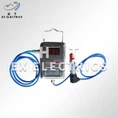
As a supplier of intrinsically safe signal devices, we are committed to providing high - quality products that meet the specific needs of military applications. Our Intrinsically Safe Sound and Light Signal Device is designed with the latest technology to ensure maximum safety and performance.
We work closely with military customers to understand their requirements and provide customized solutions. Our team of experts can provide technical support and guidance throughout the procurement process, from product selection to installation and maintenance.
Conclusion
In conclusion, intrinsically safe signal devices have great potential for use in military applications. Their safety, reliability, and compatibility make them a viable option for various military scenarios. However, challenges such as performance requirements, cost, and regulatory compliance need to be carefully addressed.
If you are interested in learning more about our intrinsically safe signal devices or are considering them for your military applications, we invite you to contact us for a detailed discussion. Our team is ready to provide you with the information and support you need to make an informed decision.