


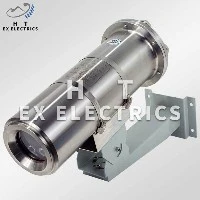
Can explosion - proof and intrinsically safe equipment prevent all explosions?
Hey there! I'm a supplier of explosion - proof and intrinsically safe equipment, and this is a question I get asked a lot. You might think that if you've got this high - tech gear, you're completely safe from explosions. But the truth is a bit more complicated than that.
Let's start by understanding what explosion - proof and intrinsically safe equipment are. Explosion - proof equipment is designed to contain an explosion that might occur within it. It's built like a fortress, with strong enclosures that can withstand the pressure of an internal blast and prevent it from spreading to the surrounding area. On the other hand, intrinsically safe equipment is engineered to limit the electrical and thermal energy to a level where it can't ignite a flammable atmosphere. It's like having a safety net that stops the spark before it can turn into a firestorm.
Now, these technologies are pretty amazing. They've saved countless lives and prevented a ton of damage in industries where explosions are a real risk, like oil and gas, mining, and chemical manufacturing. But can they really prevent all explosions? The short answer is no.


One of the main reasons is that these systems rely on proper installation and maintenance. If the explosion - proof enclosure has a crack or a loose fitting, it might not be able to contain an explosion. And if the intrinsically safe equipment has a wiring issue or a component failure, it could generate enough energy to start a fire. For example, in a chemical plant, if workers don't follow the correct installation procedures for an explosion - proof pump, a small leak could lead to a build - up of flammable gases. And if the intrinsically safe sensors aren't calibrated regularly, they might miss a dangerous situation.
Another factor is the environment. Explosion - proof and intrinsically safe equipment are designed to work in specific conditions. But what if there's a sudden change in the environment? Maybe there's a new type of flammable substance in the area, or the temperature and pressure are outside the normal range. The equipment might not be able to handle these unexpected conditions. For instance, in a mining operation, a sudden influx of methane gas could overwhelm the safety systems if they're not designed to deal with such a large volume.
Human error also plays a big role. Even the best - designed equipment can be rendered useless if people don't use it correctly. Workers might bypass safety features, or they might not be trained properly on how to operate the equipment. In a recent incident at a refinery, an employee accidentally disconnected a safety device while performing routine maintenance. This led to a small explosion that could have been avoided if proper procedures were followed.
Despite these limitations, explosion - proof and intrinsically safe equipment are still crucial for safety. They significantly reduce the risk of explosions and provide an essential layer of protection. Intrinsically Safe Explosion Proof equipment, in particular, is a game - changer in many industries. It allows operations to take place in hazardous areas without constantly worrying about the threat of an explosion.
An Intrinsically Safe Explosion - proof System combines multiple layers of safety features. It includes not only the equipment itself but also monitoring systems, emergency shutdown procedures, and training programs. This holistic approach helps to minimize the chances of an explosion. However, it's important to remember that no system is 100% foolproof.
So, how can we make the most of explosion - proof and intrinsically safe equipment? First of all, proper training is essential. Workers need to know how to install, operate, and maintain the equipment correctly. Regular inspections and maintenance should be carried out to ensure that everything is in good working order. Secondly, companies should have a comprehensive safety plan in place that takes into account all possible scenarios. This includes having backup systems in case the primary safety equipment fails.
In conclusion, while explosion - proof and intrinsically safe equipment can't prevent all explosions, they are a vital part of any safety strategy in high - risk industries. They reduce the likelihood of an explosion and can limit the damage if one does occur. If you're in an industry where explosions are a concern, investing in high - quality explosion - proof and intrinsically safe equipment is a no - brainer.
If you're interested in learning more about our explosion - proof and intrinsically safe equipment or have any questions about how it can benefit your operation, don't hesitate to reach out for a procurement discussion. We're here to help you find the best solutions for your safety needs.