


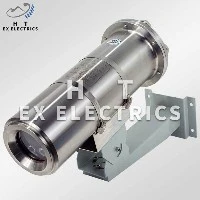
How do explosion - proof and intrinsically safe devices prevent static electricity?
As a supplier of explosion - proof and intrinsically safe devices, I have witnessed firsthand the critical role these technologies play in hazardous environments. Static electricity, a seemingly innocuous force in our daily lives, can be a major hazard in areas where explosive atmospheres exist. In this blog, I'll delve into how explosion - proof and intrinsically safe devices work to prevent static electricity and its potentially catastrophic consequences.
Understanding Static Electricity in Hazardous Environments
Before we discuss prevention methods, it's important to understand why static electricity is such a concern in hazardous environments. Static electricity is the result of an imbalance of electric charges within or on the surface of a material. When two objects come into contact and then separate, electrons can transfer from one object to the other, creating a static charge.
In an industrial setting, activities like the flow of liquids, powders, or gases, as well as the movement of personnel, can generate static charges. If these charges accumulate and reach a high enough level, they can discharge in the form of a spark. In environments where flammable gases, vapors, dusts, or fibers are present, such a spark can act as an ignition source, leading to an explosion or fire.


Preventing Static Electricity with Explosion - proof Devices
Explosion - proof devices are designed to contain any explosion that may occur within the device enclosure and prevent it from spreading to the surrounding hazardous environment. When it comes to preventing static electricity, they work through several key mechanisms.
One of the primary ways explosion - proof devices prevent static discharge is through proper grounding. Grounding provides a path of least resistance for the static charge to flow safely to the ground, preventing the charge from accumulating and causing a spark. All metallic components of the explosion - proof device are connected to a grounding system, ensuring that any static charges generated are quickly dissipated.
For example, in an explosion - proof electrical enclosure, the metal housing is grounded. If static electricity builds up on the device due to the flow of electrical currents or the movement of internal components, the charge is immediately conducted to the ground, eliminating the risk of a static spark.
Another important aspect is the use of materials that are less likely to generate static electricity. Many explosion - proof devices are made from materials with low triboelectric properties. The triboelectric effect is the phenomenon where certain materials become electrically charged after they come into frictional contact with a different material. By choosing materials that generate less static charge through friction, the risk of static electricity build - up is reduced. For instance, some explosion - proof coatings are designed to have low triboelectric properties, which helps in minimizing static generation on the surface of the device.
Intrinsically Safe Devices and Static Electricity Prevention
Intrinsically safe devices are designed to limit the energy available in an electrical circuit to a level that is too low to cause an ignition in a hazardous atmosphere. They play a crucial role in preventing static electricity - related hazards through their unique design and operating principles.
One of the fundamental ways intrinsically safe devices prevent static electricity is by limiting the electrical energy. These devices are engineered to operate at very low voltages and currents. Since static electricity can be dissipated in the form of an electrical spark, reducing the energy available in the circuit reduces the likelihood of a spark with sufficient energy to ignite an explosive mixture.
Intrinsically safe devices also often incorporate protective barriers. These barriers are designed to prevent excessive energy from entering the hazardous area. They monitor the electrical parameters such as voltage and current and limit them to safe levels. For example, a zener barrier is a common type of protective barrier used in intrinsically safe systems. It uses a zener diode to limit the voltage across the device and divert any excess energy to the ground, thereby preventing the build - up of static charge that could lead to a dangerous spark.
The wiring and cabling in intrinsically safe systems are also carefully designed to prevent static electricity. Special cables with low capacitance and inductance are used to minimize the energy storage within the cables. Capacitance and inductance can store electrical energy, which could potentially be released as a spark if conditions are right. By using cables with low values of these parameters, the risk of static - induced sparking is significantly reduced.
The Role of the Intrinsically Safe Explosion - proof System
Our Intrinsically Safe Explosion - proof System is a comprehensive solution that combines the features of explosion - proof and intrinsically safe technologies to prevent static electricity effectively. The system integrates grounding mechanisms, low - static materials, energy - limiting circuits, and protective barriers to create a safe environment in hazardous areas.
The system is designed to be highly reliable and easy to install. It can be customized to meet the specific requirements of different industries and applications, ensuring that static electricity is kept under control no matter the operating conditions. Whether it's in an oil refinery, a chemical plant, or a grain silo, our intrinsically safe explosion - proof system provides the necessary protection against static electricity - induced explosions and fires.
Intrinsically Safe Explosion Proof - A Key Component in Hazardous Areas
Our Intrinsically Safe Explosion Proof devices are at the forefront of static electricity prevention. These devices are thoroughly tested and certified to meet the strictest safety standards. They are designed with the latest technologies to ensure maximum safety and performance.
The intrinsically safe explosion - proof devices use advanced materials and electrical components to minimize static charge generation. Their compact and lightweight design makes them suitable for a wide range of applications, from portable instruments to fixed installations. These devices also offer excellent resistance to environmental factors such as dust, moisture, and corrosion, which helps in maintaining their static - prevention capabilities over time.
Conclusion and Call to Action
In conclusion, explosion - proof and intrinsically safe devices are essential for preventing static electricity in hazardous environments. Through grounding, the use of low - static materials, energy - limiting mechanisms, and protective barriers, these devices significantly reduce the risk of static - induced explosions and fires.
If you are in an industry where the presence of explosive atmospheres is a concern, it's crucial to invest in high - quality explosion - proof and intrinsically safe devices. Our company is a leading supplier of these technologies, offering a wide range of products and solutions to meet your specific needs. We are committed to providing the best safety solutions for your operations.
Contact us today to discuss your requirements and explore how our explosion - proof and intrinsically safe devices can help you prevent static electricity and ensure a safe working environment. Our team of experts is ready to assist you in making the right choices for your business.