



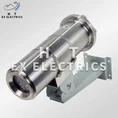


Can intrinsically safe sensors be used in glass manufacturing plants? That's a question I've been asked quite a bit lately, and as a supplier of intrinsically safe sensors, I'm more than happy to dive into this topic.
First off, let's talk about what intrinsically safe sensors are. In a nutshell, these sensors are designed to operate in hazardous environments without causing any ignition. They limit the energy, electrical, and thermal, that's available for release, so there's no risk of sparks or excessive heat that could set off flammable substances.
Now, let's take a look at glass manufacturing plants. These places are full of all sorts of processes and conditions that can be pretty challenging. There are high - temperature furnaces where raw materials like sand, soda ash, and limestone are melted down to form glass. There are also areas where glass is being shaped, cooled, and finished. Along with these processes, there might be the presence of combustible gases or dust. For example, natural gas is often used to fuel the furnaces, and if there's a leak, it can create a potentially explosive atmosphere.
So, can intrinsically safe sensors fit into this picture? The answer is a big yes!
Temperature Monitoring
One of the most critical aspects of glass manufacturing is temperature control. The furnaces need to maintain a specific temperature range to ensure the glass melts and forms correctly. Intrinsically safe temperature sensors can be installed in and around the furnaces. These sensors can accurately measure the temperature and send the data to a control system. This way, operators can make real - time adjustments to the fuel supply or other parameters to keep the temperature in check. For instance, if the temperature starts to rise too high, the control system can reduce the gas flow. Our Intrinsically Safe Speed Sensor can also be used in some cases where there are rotating parts related to the heating or material - handling systems in the plant. It can monitor the speed of these parts, ensuring they are operating within the safe and efficient range.
Gas Detection
As I mentioned earlier, natural gas is commonly used in glass manufacturing plants. A small gas leak can quickly turn into a dangerous situation. Intrinsically safe gas sensors are perfect for this scenario. They can be placed in areas where gas leaks are most likely to occur, such as around the gas pipes and near the burners. These sensors can detect even trace amounts of gas and trigger an alarm as soon as they sense a problem. This early warning system allows the plant operators to take immediate action, like shutting off the gas supply and ventilating the area. Our Intrinsically Safe Smoke Detector System Sensor can also be useful here. In case of a fire caused by a gas leak or other issues, it can quickly detect the smoke and alert the entire plant.
Emergency Stop and Safety
Safety is always a top priority in any manufacturing plant, and glass manufacturing is no exception. Intrinsically safe emergency stop switches, like our Intrinsically Safe Emergency Stop Switch, can be installed throughout the plant. These switches are designed to cut off power to critical equipment in case of an emergency. Whether it's a sudden mechanical failure, a fire, or a gas leak, operators can quickly press these switches to halt the operation and prevent further damage or injury.
Dust Monitoring
During the glass manufacturing process, there can be dust generated, especially when the glass is being cut, ground, or polished. Some of this dust can be combustible, and if it accumulates in the air in high concentrations, it can create an explosive atmosphere. Intrinsically safe dust sensors can be used to monitor the dust levels in the air. They can measure the concentration of dust particles and send the data to a monitoring system. If the dust levels exceed a safe threshold, the system can trigger an alarm, and the plant can take measures like increasing ventilation or shutting down certain processes.
Advantages of Using Intrinsically Safe Sensors in Glass Manufacturing
- Safety: The most obvious advantage is safety. By using intrinsically safe sensors, the risk of ignition in a potentially hazardous environment is significantly reduced. This protects the workers, the equipment, and the entire plant from accidents.
- Reliability: These sensors are designed to work in tough conditions. They can withstand high temperatures, vibrations, and other challenges that are common in glass manufacturing plants. This means they can provide accurate and consistent data over a long period.
- Compliance: Many industries, including glass manufacturing, are subject to strict safety regulations. Using intrinsically safe sensors helps the plant comply with these regulations, avoiding potential fines and legal issues.
Challenges and Considerations
Of course, there are also some challenges and considerations when using intrinsically safe sensors in glass manufacturing plants.
- Cost: Intrinsically safe sensors can be more expensive than regular sensors. However, when you consider the cost of potential accidents and the long - term benefits of safety and reliability, the investment is often worth it.
- Installation and Maintenance: Proper installation and maintenance are crucial for the effective operation of these sensors. They need to be installed in the right locations and calibrated regularly. The plant may need to train its staff to handle these sensors correctly.
- Compatibility: The sensors need to be compatible with the existing control systems in the plant. Before purchasing, it's important to ensure that the sensors can communicate effectively with the other equipment.
In conclusion, intrinsically safe sensors have a lot of potential in glass manufacturing plants. They can enhance safety, improve process control, and help the plant comply with regulations. If you're running a glass manufacturing plant or are involved in the industry, I highly recommend considering these sensors for your operations.


If you're interested in learning more about our intrinsically safe sensors or are looking to make a purchase, feel free to reach out. We're always here to answer your questions and help you find the right sensors for your specific needs. Let's work together to make your glass manufacturing plant safer and more efficient.
References
- "Safety Standards in Glass Manufacturing", Industrial Safety Journal, 2022.
- "Intrinsically Safe Sensors: Principles and Applications", Sensor Technology Magazine, 2021.