


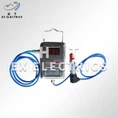

As a supplier of Ultrasonic Flow Sensors, I've encountered numerous inquiries regarding their price range. Understanding the various factors that influence the cost of these sensors is crucial for both potential buyers and industry enthusiasts. In this blog post, I'll delve into the price range of Ultrasonic Flow Sensors, exploring the elements that contribute to their pricing and providing insights to help you make informed decisions.
Understanding Ultrasonic Flow Sensors
Before we discuss the price range, let's briefly understand what Ultrasonic Flow Sensors are and how they work. Ultrasonic Flow Sensors are devices used to measure the flow rate of liquids or gases in a pipe. They operate on the principle of ultrasonic waves, which are sent through the fluid. By measuring the time difference it takes for the ultrasonic waves to travel upstream and downstream, the sensor can calculate the flow velocity and, subsequently, the flow rate.
These sensors offer several advantages, including non-intrusive installation, high accuracy, and the ability to measure a wide range of flow rates. They are widely used in various industries, such as water and wastewater management, oil and gas, chemical processing, and HVAC systems.
Factors Affecting the Price of Ultrasonic Flow Sensors
The price of Ultrasonic Flow Sensors can vary significantly depending on several factors. Here are some of the key elements that influence their cost:
1. Measurement Range
The measurement range of an Ultrasonic Flow Sensor refers to the minimum and maximum flow rates it can accurately measure. Sensors with a wider measurement range typically cost more than those with a narrower range. This is because sensors with a broader measurement range require more advanced technology and components to ensure accurate readings across the entire range.
2. Accuracy
Accuracy is another crucial factor that affects the price of Ultrasonic Flow Sensors. Higher accuracy sensors are more expensive because they require more precise manufacturing processes and calibration techniques. The level of accuracy needed depends on the specific application. For example, applications in the pharmaceutical or food and beverage industries may require sensors with very high accuracy, while less critical applications may tolerate lower accuracy levels.
3. Sensor Type
There are two main types of Ultrasonic Flow Sensors: clamp-on and inline. Clamp-on sensors are non-intrusive and can be easily installed on the outside of a pipe without the need for cutting or welding. Inline sensors, on the other hand, are installed directly in the pipe and require a more complex installation process. In general, clamp-on sensors are less expensive than inline sensors because they are easier to install and do not require any modifications to the pipe.
4. Pipe Size
The size of the pipe in which the Ultrasonic Flow Sensor will be installed also affects its price. Larger pipes require sensors with a longer measurement path and more powerful ultrasonic transducers, which can increase the cost of the sensor. Additionally, sensors designed for larger pipes may require more complex installation procedures, which can also add to the overall cost.
5. Material and Construction
The materials used in the construction of the Ultrasonic Flow Sensor can also impact its price. Sensors made from high-quality materials, such as stainless steel or titanium, are generally more expensive than those made from lower-cost materials, such as plastic or aluminum. Additionally, sensors with a more robust construction and better protection against environmental factors, such as dust, moisture, and corrosion, may also cost more.
6. Additional Features
Some Ultrasonic Flow Sensors come with additional features, such as data logging, communication interfaces, and built-in displays. These features can enhance the functionality of the sensor but also increase its price. The need for these additional features depends on the specific application and the user's requirements.


Price Range of Ultrasonic Flow Sensors
Based on the factors mentioned above, the price range of Ultrasonic Flow Sensors can vary widely. Here is a general overview of the price ranges for different types of sensors:
Clamp-on Ultrasonic Flow Sensors
Clamp-on Ultrasonic Flow Sensors are the most affordable type of Ultrasonic Flow Sensors. They typically range in price from $500 to $5,000, depending on the measurement range, accuracy, and additional features. Smaller sensors with a narrow measurement range and lower accuracy may cost as little as $500, while larger sensors with a wider measurement range and higher accuracy can cost up to $5,000 or more.
Inline Ultrasonic Flow Sensors
Inline Ultrasonic Flow Sensors are more expensive than clamp-on sensors due to their more complex installation process and higher accuracy. They typically range in price from $1,000 to $10,000 or more, depending on the measurement range, accuracy, pipe size, and material. Smaller sensors for pipes with a diameter of less than 2 inches may cost around $1,000, while larger sensors for pipes with a diameter of 12 inches or more can cost up to $10,000 or more.
High-End Ultrasonic Flow Sensors
High-end Ultrasonic Flow Sensors, which are designed for applications that require extremely high accuracy and reliability, can cost significantly more than standard sensors. These sensors may feature advanced technology, such as multi-path measurement, and may be made from high-quality materials. The price of high-end Ultrasonic Flow Sensors can range from $10,000 to $50,000 or more, depending on the specific requirements of the application.
Related Products and Their Importance
In addition to Ultrasonic Flow Sensors, there are several other products that are commonly used in conjunction with them to ensure the efficient and safe operation of fluid systems. Here are some of these related products and their importance:
- Pressure Sensor: Pressure sensors are used to measure the pressure of the fluid in the pipe. They are essential for ensuring that the system operates within the safe pressure limits and for detecting any pressure fluctuations that may indicate a problem.
- Automatic Water Spraying Dust Reduction Device Main Unit: These devices are used to reduce dust emissions in industrial environments. They work by spraying water into the air, which helps to capture and suppress dust particles. Ultrasonic Flow Sensors can be used to monitor the flow rate of water in these systems, ensuring that they operate efficiently.
- Intrinsically Safe Thermoluminescence Control Sensor/Pyroelectric Infrared Sensor: These sensors are used to detect the presence of people or objects in a specific area. They are commonly used in safety systems to ensure that equipment is shut down when someone enters a dangerous area.
- Water Level Sensor: Water level sensors are used to measure the level of water in a tank or reservoir. They are essential for ensuring that the system has an adequate supply of water and for preventing overflows or dry running.
- Explosion-Proof Ball Valve: These valves are used to control the flow of fluid in a pipe. They are designed to be explosion-proof, which makes them suitable for use in hazardous environments.
Making the Right Choice
When choosing an Ultrasonic Flow Sensor, it's important to consider your specific requirements and budget. Here are some tips to help you make the right choice:
- Define Your Requirements: Clearly define the measurement range, accuracy, and other specifications that you need for your application. This will help you narrow down your options and choose the sensor that best meets your needs.
- Consider the Installation: If you need to install the sensor in a difficult or hard-to-reach location, a clamp-on sensor may be a better option. If you require a higher level of accuracy or need to measure the flow rate in a large pipe, an inline sensor may be more suitable.
- Compare Prices: Shop around and compare prices from different suppliers to ensure that you are getting the best value for your money. However, don't just focus on the price; also consider the quality, reliability, and after-sales support of the sensor.
- Look for Additional Features: If you need additional features, such as data logging or communication interfaces, make sure that the sensor you choose has these features. However, be aware that these features may increase the price of the sensor.
Contact Us for Purchasing and Consultation
If you are interested in purchasing Ultrasonic Flow Sensors or have any questions about their price range, features, or applications, please feel free to contact us. Our team of experts is always ready to assist you in finding the right sensor for your needs and providing you with the best possible solution. We offer a wide range of Ultrasonic Flow Sensors at competitive prices, and we are committed to providing excellent customer service and support.