


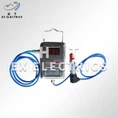


Can water level sensors be used in water purification plants?
As a supplier of Water Level Sensor, I often get asked about the applicability of our products in various industrial settings, and one question that comes up frequently is whether water level sensors can be used in water purification plants. In this blog post, I'll explore the answer to this question, looking at the role of water level sensors in water purification, the types of sensors that are suitable, and the benefits they bring.
The Role of Water Level Sensors in Water Purification Plants
Water purification plants are complex facilities designed to treat raw water from various sources, such as rivers, lakes, and groundwater, to make it safe for human consumption or industrial use. The process typically involves several stages, including filtration, sedimentation, disinfection, and sometimes desalination. Throughout these processes, maintaining the correct water levels in different tanks and vessels is crucial for the efficient and safe operation of the plant.
Water level sensors play a vital role in monitoring and controlling the water levels in these tanks. They provide real - time data on the amount of water present, which is used to trigger pumps, valves, and other equipment to ensure that the water flow is regulated properly. For example, in a sedimentation tank, a water level sensor can detect when the tank is full and signal the pump to stop filling it, preventing overflow. Similarly, in a storage tank, the sensor can monitor the water level and trigger the pump to refill it when the level drops below a certain point.
Types of Water Level Sensors Suitable for Water Purification Plants
There are several types of water level sensors available on the market, each with its own advantages and disadvantages. The choice of sensor depends on various factors, such as the type of water (e.g., clean water, wastewater), the size and shape of the tank, and the required level of accuracy.
- Float - type sensors: These are one of the most common types of water level sensors. They work on the principle of a float that rises and falls with the water level. When the float reaches a certain position, it activates a switch, which can be used to control pumps or valves. Float - type sensors are relatively simple and inexpensive, making them a popular choice for many water purification plants. However, they may not be suitable for applications where the water contains a lot of debris or where high accuracy is required.
- Ultrasonic sensors: Ultrasonic sensors use sound waves to measure the distance between the sensor and the water surface. They are non - contact sensors, which means they do not come into direct contact with the water. This makes them suitable for applications where the water is dirty or corrosive. Ultrasonic sensors are also highly accurate and can provide continuous level measurement. However, they can be affected by factors such as temperature, humidity, and the presence of foam on the water surface.
- Pressure sensors: Pressure sensors measure the pressure exerted by the water column above the sensor. The pressure is directly proportional to the water level, so by measuring the pressure, the water level can be determined. Pressure sensors are suitable for applications where the water is deep or where the tank is underground. They are also relatively easy to install and maintain. However, they may require calibration to ensure accurate measurement.
Benefits of Using Water Level Sensors in Water Purification Plants
The use of water level sensors in water purification plants offers several benefits, including:


- Improved efficiency: By accurately monitoring and controlling the water levels, water level sensors help to optimize the operation of the plant. This reduces energy consumption, as pumps and valves are only activated when necessary. It also minimizes the risk of equipment damage due to over - filling or under - filling of tanks.
- Enhanced safety: Maintaining the correct water levels is essential for the safety of the plant and its operators. Water level sensors can detect abnormal water levels and trigger alarms or shut - down procedures to prevent accidents, such as tank overflows or pump failures.
- Better water quality: In some cases, water level sensors can be used in conjunction with other sensors, such as Explosion - Proof Ball Valve and flow sensors, to ensure that the water treatment process is carried out effectively. For example, by controlling the water flow based on the water level, the treatment chemicals can be added at the correct dosage, resulting in better water quality.
- Reduced maintenance costs: Water level sensors can help to detect problems early, such as leaks or blockages in the pipes. This allows for timely maintenance and repairs, reducing the overall maintenance costs of the plant.
Challenges and Considerations
While water level sensors offer many benefits, there are also some challenges and considerations that need to be taken into account when using them in water purification plants.
- Environmental factors: The water in purification plants can be contaminated with various substances, such as chemicals, sediment, and microorganisms. These substances can affect the performance of the sensors, especially if they are in direct contact with the water. For example, sediment can clog the float of a float - type sensor, while chemicals can corrode the sensor's components. Therefore, it is important to choose sensors that are resistant to the specific contaminants present in the water.
- Installation and calibration: Proper installation and calibration of the water level sensors are crucial for accurate measurement. The sensors need to be installed at the correct location and orientation, and they need to be calibrated regularly to ensure that they are providing accurate data. Incorrect installation or calibration can lead to inaccurate readings, which can affect the operation of the plant.
- Compatibility with existing systems: Water purification plants often have existing control systems in place. When installing water level sensors, it is important to ensure that they are compatible with these systems. This may require the use of appropriate interfaces or communication protocols to integrate the sensors with the existing control system.
Conclusion
In conclusion, water level sensors can be effectively used in water purification plants. They play a crucial role in monitoring and controlling the water levels, which is essential for the efficient, safe, and effective operation of the plant. By choosing the right type of sensor and addressing the challenges and considerations, water purification plants can benefit from improved efficiency, enhanced safety, better water quality, and reduced maintenance costs.
If you are interested in learning more about our Water Level Sensor products or discussing how they can be used in your water purification plant, please feel free to contact us for a procurement discussion. We are committed to providing high - quality sensors and excellent customer service to meet your specific needs.