


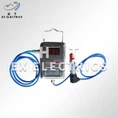


As a supplier of water level sensors, I understand the importance of properly adjusting these devices to ensure accurate and reliable performance. Water level sensors are crucial in various applications, from industrial processes to domestic water management. In this blog, I will guide you through the process of adjusting the settings of a water level sensor, covering key aspects such as calibration, installation, and troubleshooting.
Understanding Water Level Sensors
Before delving into the adjustment process, it's essential to understand the different types of water level sensors available. The most common types include float sensors, pressure sensors Pressure Sensor, ultrasonic sensors, and capacitance sensors. Each type has its own working principle and application scenarios.
- Float Sensors: These are simple and cost - effective sensors that use a floating object to detect the water level. As the water level rises or falls, the float moves, triggering a switch.
- Pressure Sensors: They measure the pressure exerted by the water column above the sensor. The pressure is directly proportional to the water level, allowing for accurate level measurement.
- Ultrasonic Sensors: These sensors work by emitting ultrasonic waves and measuring the time it takes for the waves to bounce back from the water surface. The distance to the water surface is then calculated based on the time delay.
- Capacitance Sensors: Capacitance sensors measure the change in capacitance between two electrodes due to the presence of water. The change in capacitance is related to the water level.
Installation Considerations
Proper installation is the first step towards accurate water level measurement. Here are some key points to keep in mind:
- Location: Choose a location where the sensor can accurately represent the water level. Avoid areas with strong currents, turbulence, or debris that could affect the sensor's performance.
- Mounting: Ensure that the sensor is securely mounted. For float sensors, make sure the float can move freely without any obstructions. For pressure sensors, ensure that the sensor is installed at the correct depth and that the pressure port is not blocked.
- Wiring: Use appropriate wiring to connect the sensor to the control system. Make sure the wiring is properly insulated and protected from moisture and other environmental factors.
Calibration
Calibration is a critical step in adjusting the settings of a water level sensor. It ensures that the sensor provides accurate readings. Here's how you can calibrate different types of sensors:
Float Sensors
- Initial Setup: Install the float sensor in the water tank or container. Make sure the float is at the lowest water level you want to measure.
- Adjustment: Connect the sensor to a control system and set the output signal to the appropriate value for the lowest water level. As the water level rises, adjust the switch settings so that the output signal changes at the desired water levels.
Pressure Sensors
- Zero Calibration: With the sensor in air (no water pressure), set the output of the sensor to zero. This compensates for any offset in the sensor's reading.
- Span Calibration: Immerse the sensor in water to a known depth. Measure the actual water depth and compare it with the sensor's reading. Adjust the sensor's settings so that the reading matches the actual depth.
Ultrasonic Sensors
- Distance Calibration: Place the sensor at a known distance from a flat surface. Measure the distance and compare it with the sensor's reading. Adjust the sensor's settings to ensure accurate distance measurement.
- Water Surface Calibration: Fill the tank with water to a known level. Measure the water level and compare it with the sensor's reading. Adjust the settings if necessary.
Capacitance Sensors
- Empty Tank Calibration: With the tank empty, set the sensor's output to a baseline value.
- Full Tank Calibration: Fill the tank to the maximum level. Adjust the sensor's settings so that the output corresponds to the full - tank level.
Troubleshooting
Even after proper installation and calibration, water level sensors may encounter problems. Here are some common issues and their solutions:


- Inaccurate Readings: This could be due to sensor damage, incorrect calibration, or interference from external factors. Check the sensor for physical damage, recalibrate the sensor, and ensure that there are no sources of interference such as electromagnetic fields.
- No Output Signal: Check the power supply to the sensor and the wiring connections. Make sure the sensor is properly connected to the control system. If the problem persists, the sensor may be faulty and need to be replaced.
- Erratic Readings: This could be caused by turbulence in the water, debris in the sensor, or a malfunctioning control system. Check for any sources of turbulence, clean the sensor, and ensure that the control system is functioning properly.
Complementary Devices
In some applications, water level sensors may be used in conjunction with other devices such as Explosion - Proof Electromagnetic Valve and Ultrasonic Flow Sensor. These devices can enhance the functionality of the water level monitoring system.
- Explosion - Proof Electromagnetic Valve: This valve can be used to control the flow of water based on the water level detected by the sensor. It is suitable for applications where safety is a concern, such as in explosive environments.
- Ultrasonic Flow Sensor: This sensor can measure the flow rate of water in a pipe. By combining the water level sensor with an ultrasonic flow sensor, you can get a more comprehensive understanding of the water system.
Conclusion
Adjusting the settings of a water level sensor is a crucial process that requires careful attention to detail. By following the steps outlined in this blog, you can ensure that your water level sensor provides accurate and reliable readings. If you have any questions or need further assistance with water level sensors, feel free to contact us for procurement and technical support. We are committed to providing high - quality water level sensors and related products to meet your specific needs.