


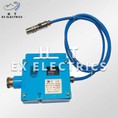
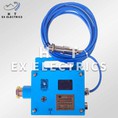


As a supplier of Intrinsically Safe Smoke Sensors, I often get asked how to protect these nifty devices from chemical exposure. It's a crucial question because chemical exposure can mess with the sensor's accuracy and performance, and nobody wants that, right?
First off, let's understand why protecting an intrinsically safe smoke sensor from chemicals is so important. These sensors are designed to work in hazardous environments where there's a risk of explosion. They're built to be safe, but chemicals can interfere with their internal components. For instance, corrosive chemicals can eat away at the sensor's delicate parts, and some chemicals can react with the sensing elements, giving false readings or even causing the sensor to fail completely.
One of the simplest ways to protect the sensor is through proper installation. Make sure to place the sensor in an area where it's less likely to come into contact with chemicals. For example, avoid installing it near areas where chemicals are stored or used. If possible, install it in a well - ventilated space. Good ventilation helps to disperse any chemical vapors that might be present in the air, reducing the chances of the sensor being exposed.
Another great way is to use protective enclosures. There are special enclosures available in the market that are designed to shield the sensor from chemical exposure. These enclosures are made of materials that are resistant to chemicals, such as certain types of plastics or metals. They act as a physical barrier between the sensor and the chemicals in the environment. When choosing an enclosure, make sure it's compatible with your Intrinsically Safe Smoke Sensor. It should fit the sensor properly and not interfere with its normal operation.
Regular maintenance is also key. You should clean the sensor and its enclosure regularly. Use cleaning agents that are safe for the sensor and won't cause any chemical reactions. A simple wipe - down with a soft cloth and a mild, non - corrosive cleaner can go a long way in removing any chemical residues that might have accumulated on the sensor. And don't forget to check the enclosure for any signs of damage. If there are cracks or holes in the enclosure, it won't be able to protect the sensor effectively.
In addition to these physical protection methods, you can also use chemical filters. Some sensors come with built - in chemical filters, but if yours doesn't, you can add an external one. Chemical filters are designed to trap specific chemicals before they reach the sensor. They work by adsorbing or reacting with the chemicals, preventing them from getting to the sensitive parts of the sensor. However, it's important to note that chemical filters have a limited lifespan. You'll need to replace them regularly according to the manufacturer's instructions.
Now, let's talk about some specific chemicals and how to deal with them. For example, if you're dealing with acidic chemicals like sulfuric acid or hydrochloric acid, you need to be extra careful. These acids can be extremely corrosive. In addition to using a protective enclosure and a chemical filter, you might want to consider using a sensor that's specifically designed to be resistant to acids. Some sensors have coatings or materials that can withstand the corrosive effects of acids.
On the other hand, if you're in an environment with alkaline chemicals, such as sodium hydroxide, similar precautions apply. Look for sensors that are rated for alkaline resistance and use appropriate protective measures.
It's also a good idea to keep an eye on the chemical levels in the environment. You can use other types of sensors, like Mine Temperature Sensor or Intrinsically Safe Speed Sensor in combination with the smoke sensor. These additional sensors can give you a better understanding of the overall environmental conditions. If the chemical levels start to rise, you can take proactive steps to protect the smoke sensor.
In some cases, you might need to isolate the sensor completely. This could be done by using a sealed room or a special chamber. However, this method is more suitable for very high - risk environments where the chemical exposure is severe. It's also important to make sure that the isolation doesn't affect the sensor's ability to detect smoke. You'll need to design the isolation system carefully to allow for proper air circulation so that the sensor can still function effectively.
In conclusion, protecting an intrinsically safe smoke sensor from chemical exposure requires a combination of proper installation, the use of protective enclosures, regular maintenance, and the right choice of chemical filters. By taking these steps, you can ensure that your sensor works accurately and reliably for a long time.
If you're in the market for an Intrinsically Safe Smoke Sensor or need more information on how to protect it from chemical exposure, don't hesitate to reach out. We're here to help you find the best solutions for your specific needs and ensure the safety of your operations.
References


- General knowledge on intrinsically safe sensors and chemical protection
- Manufacturer's guidelines for intrinsically safe smoke sensors