



Hey everyone,
Let's cut to the chase-if you're running a facility that deals with explosive hazards, whether it's oil and gas refineries, chemical plants, mining operations, or even grain elevators, you don't just need security cameras-you need ones that won't spark an explosion. That's where explosion proof security cameras come in, right? But here's the thing: once those cameras are up and capturing footage, you've got to make sure that sensitive footage stays private, too. I've been in the game as an explosion proof security camera supplier for years now, and I've seen way too many folks fixate only on the explosion proof part and totally drop the ball on privacy. Today, I wanna walk through how to lock down that footage, keep it compliant, and avoid headaches that could come with data leaks.


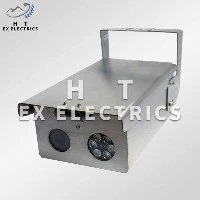
First off, let's get clear on what we're working with. Explosion proof cameras aren't your regular office security cams-they're built to operate safely in hazardous (Class I, Division 1 or 2) areas where flammable gases, vapors, or dust are present. If you're shopping around, you might've come across terms like intrinsically safe vs. explosion proof, and honestly, it's easy to mix 'em up. For example, an Intrinsically Safe Explosion Proof Camera limits electrical energy below the level that can ignite hazardous materials, while a standard Explosion Proof Security Camera is sealed so any internal explosion doesn't escape into the surrounding area. Both have their uses, but when it comes to privacy, the hardware itself is just the start-you've gotta nail the software and workflow too.
Let's start with the foundation: securing the camera end itself. Even if your cam is rated for hazardous areas, if someone gains physical access to it, they could mess with the storage or signal, right? All our cameras-whether it's an Explosion Proof Intrinsically Safe Camera or an Intrinsically Safe Infrared Camera for low-light hazardous zones-come with tamper-proof enclosures, but you still need to place them smartly. Don't mount them where they're easy to reach for unauthorized personnel. For outdoor sites or large facilities, we usually recommend positioning cams on poles that are out of arm's reach, or paired with physical locks on any accessible parts of the camera housing. Also, make sure the camera's firmware is the latest version-manufacturers often patch vulnerabilities that could let someone hack into the camera's feed or pull footage directly from the device. We send out automatic firmware updates for all our systems, so if you're buying from a reputable supplier like us, don't skip those updates-they're a quick privacy win.
Next up: how footage is stored. This is a big one because a lot of facilities still store footage locally on a hard drive in a server room, which can be at risk if that room isn't secure. Wait, but if you're in an explosion proof facility, the server room might even be a separate safe area, right? But even then, local storage alone is risky-what if someone steals the drive? Or it gets damaged in an incident? We always advise our clients to use encrypted storage, whether it's on-site or cloud-based, but here's the catch with cloud storage for explosion proof cams: you can't just pick any cloud provider. They need to have experience with hazardous area technology and comply with data privacy laws (like GDPR if you're in the EU, CCPA in California, etc.). For our clients, we offer a hybrid storage option: encrypted on-site NVRs that sync to a secure cloud server only when needed, so you don't have all your eggs in one basket. Also, make sure the storage is only accessible to authorized users-set up role-based access, so a shift supervisor can pull footage but a line worker can't, for example. That way, even if someone gets ahold of a login (more on passwords later), they can only see what they're supposed to.
Passwords and access controls-this is the boring part, but it's non-negotiable. I can't tell you how many times I've heard a client say, "Oh, we just use the default password for our cameras, everyone knows it." Dude, that's a disaster waiting to happen. Default passwords are the first thing hackers try, especially for industrial security systems. For all our cameras-whether it's an Explosion Proof IR Camera for night operations or a standard Explosion Proof Security Camera-we strongly recommend changing the default admin password immediately to something unique, not "password123" or your facility name. Also, enable two-factor authentication (2FA) wherever possible. Even a simple text code or authenticator app code adds a layer that makes it way harder for someone to log in, even if they get your password. And don't forget to update user permissions regularly-if an employee leaves the company, delete their access right away. I've seen cases where a former contractor still had access to footage for months, and that's a huge privacy risk.
Then there's the transmission of footage from the camera to the storage. If you're sending footage over an unencrypted network, it's like sending a postcard with sensitive info written on it-anyone can read it. For explosion proof camera systems, the network is often part of a larger industrial control system (ICS), so you've gotta make sure that the video feed is encrypted end-to-end. We use AES-256 encryption for all our camera data, which is the same standard used by banks for financial data. Also, isolate the camera network from the rest of your facility's IT network. If a hacker gets into your office Wi-Fi, they won't be able to get to the camera system if the two networks are separate. That's a basic network security step but it's super effective. Avoid using public Wi-Fi for accessing camera feeds, too-no one should be logging into their explosion proof security camera from a coffee shop or airport, because public Wi-Fi is easy to intercept.
Wait, what about edge cases? Like if you need to share footage with law enforcement, or a third party for safety audits? You can't just hand over raw footage to anyone. Make sure you have a process for redacting sensitive parts of the footage before sharing. For example, if there are areas of your facility that aren't related to the incident (like a secure executive office), you should blur those out before sending footage to an outside party. Also, only share the footage that's necessary-don't send a 2-hour clip when a 2-minute clip of the incident is enough. That way, you're not exposing more private data than you have to. We actually have a tool built into our camera management software that lets you redact areas quickly, so our clients don't have to do it manually.
Compliance is another piece that's tied to privacy, and it's not just a box-checking exercise. A lot of industries have specific regulations for surveillance in hazardous areas and data privacy. For example, in the US, OSHA has rules about security in oil and gas facilities, and GDPR requires that personal data (like if a camera captures a face that's identifiable) is processed lawfully. If you're not following these rules, you could face fines, which is a pain. The good news is that our explosion proof cameras are designed with compliance in mind-whether you need an Intrinsically Safe Camera for hazardous locations or an Explosion Proof Security Camera that meets IECEx standards, we make sure they align with global privacy and safety regulations. But you still have to follow the steps I mentioned (encryption, access controls, etc.) to stay compliant.
Let's talk about common mistakes I see all the time. One big one is using old camera systems that don't have modern security features. Like, if you have a 10-year-old explosion proof camera that doesn't support encryption or 2FA, you're already behind the eight ball. It might still work for basic monitoring, but it's a privacy risk. That's why upgrading to newer, secure models is worth the investment. Another mistake is ignoring employee training. Even if you have the best security tech in the world, if an employee clicks a phishing link that gives a hacker access to the camera system, all that work is for nothing. We do free training sessions for our clients' teams on how to use the camera system securely-like spotting phishing attempts, creating strong passwords, and only accessing footage on authorized devices. It's a small step but it makes a huge difference.
Wait, also-what about physical security for the camera's recording device? If your NVR (network video recorder) is in a non-secure area, someone could unplug it or take it, which would mean losing footage. For explosion proof facilities, the NVR is usually located in a safe, non-hazardous control room, but you still need to lock that control room. Only authorized personnel should have keys or access codes. We recommend putting the NVR in a rack with a physical lock, so even if someone gets into the control room, they can't tamper with it.
Let's circle back to why this matters specifically for explosion proof camera users. These facilities handle high-stakes stuff-flammable materials, high-risk operations-so the footage isn't just sensitive from a privacy standpoint; it's often critical for incident investigations, safety audits, and compliance checks. If that footage gets leaked or tampered with, it's not just a privacy issue-it could affect your ability to run your business legally. For example, if there's an explosion and the footage is missing or altered, regulators might fine you or shut down operations until they get to the bottom of it. So ensuring the privacy of that footage isn't just a "nice to have"-it's part of keeping your facility running safely and legally.
So let's recap the key steps to make sure your explosion proof security camera footage stays private:
- Keep cameras secure physically and firmware up-to-date, whether you have an Intrinsically Safe Explosion Proof Camera or an Explosion Proof Intrinsically Safe Camera.
- Use encrypted, role-based storage (hybrid is great for balancing safety and accessibility).
- Ditch default passwords, enable 2FA, and regularly review user access.
- Encrypt footage in transit and isolate the camera network from your main IT network.
- Have a process for redacting and only sharing necessary footage when working with third parties.
- Stay compliant with industry and data privacy regulations, and don't skimp on employee training.
If you're still using an older camera system that's lacking security features, it might be time to upgrade. Whether you need an Intrinsically Safe Infrared Camera for dark hazardous areas, an Explosion Proof IR Camera for nighttime monitoring, or any other explosion proof security camera, our team can help you pick the right system for your facility that's both explosion safe and privacy secure. We've worked with tons of refineries, chemical plants, and mining operations across the globe, so we know the unique challenges you face.
If you're ready to chat about upgrading your explosion proof camera system, or just have questions about how to lock down your footage, feel free to reach out. We're here to help you balance safety, security, and privacy without the hassle.