




When delving into the world of industrial safety and monitoring, intrinsically safe sensors play a pivotal role. As a leading supplier of intrinsically safe sensors, I've witnessed firsthand the importance of these devices in hazardous environments. One of the most frequently asked questions by our customers is, "What is the lifespan of an intrinsically safe sensor?" In this blog post, I'll explore the factors that influence the lifespan of these sensors and provide some general guidelines to help you understand how long you can expect them to last.
Understanding Intrinsically Safe Sensors
Before discussing their lifespan, it's essential to understand what intrinsically safe sensors are. These sensors are designed to operate in potentially explosive atmospheres without causing ignition. They achieve this by limiting the amount of electrical and thermal energy they produce, ensuring that any sparks or heat generated are not sufficient to ignite flammable gases, vapors, or dusts. This makes them indispensable in industries such as oil and gas, mining, chemical processing, and pharmaceuticals, where safety is paramount.
Factors Affecting Sensor Lifespan
The lifespan of an intrinsically safe sensor can vary significantly depending on several key factors:
1. Type of Sensor
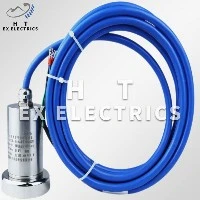
Different types of intrinsically safe sensors have different lifespans. For example, Intrinsically Safe Vibration Sensor are typically designed to last for a relatively long time, often 5 to 10 years or more, as their components are less prone to degradation. On the other hand, sensors that are exposed to harsh chemicals or high levels of radiation, such as some Intrinsically Safe Smoke Detector System Sensor may have a shorter lifespan, usually in the range of 2 to 5 years.
2. Operating Conditions
The environment in which the sensor operates has a significant impact on its lifespan. Sensors exposed to extreme temperatures, high humidity, corrosive substances, or frequent mechanical vibrations are likely to experience more wear and tear, leading to a shorter lifespan. For instance, a Tension Sensor used in a high - tension manufacturing process may need to be replaced more frequently than one used in a more stable environment.
3. Usage Frequency
How often the sensor is used also plays a role in its lifespan. Sensors that are continuously in operation, such as those used in continuous monitoring systems, will generally have a shorter lifespan compared to those used intermittently. The constant cycling of electrical signals and mechanical movements can cause components to degrade over time.
4. Quality of Manufacture
The quality of the sensor's construction and the materials used can greatly affect its durability. High - quality sensors from reputable manufacturers are often built with better components and undergo more rigorous testing, which can result in a longer lifespan. At our company, we take great care in selecting the best materials and using advanced manufacturing techniques to ensure the longevity of our sensors.
5. Maintenance and Calibration
Regular maintenance and calibration are crucial for extending the lifespan of intrinsically safe sensors. Proper maintenance, such as cleaning, inspection, and replacement of worn parts, can prevent premature failure. Calibration ensures that the sensor provides accurate measurements, which is essential for its proper functioning. Sensors that are not maintained or calibrated regularly are more likely to malfunction and have a shorter lifespan.
General Lifespan Estimates
Based on our experience and industry standards, here are some general lifespan estimates for common types of intrinsically safe sensors:
- Intrinsically Safe Temperature Sensor: These sensors can last anywhere from 3 to 7 years, depending on the operating conditions and the quality of the sensor. In relatively stable environments with moderate temperatures, they may last closer to the upper end of the range. However, in extreme temperature applications, such as in industrial furnaces or cryogenic storage facilities, their lifespan may be shorter.
- Intrinsically Safe Radar Level Sensor: These sensors typically have a lifespan of 5 to 10 years. They are relatively robust and can withstand a wide range of environmental conditions. However, if they are exposed to high levels of dust or moisture, their lifespan may be reduced.
- Gas and Chemical Sensors: These sensors usually have a lifespan of 2 to 5 years. They are exposed to various gases and chemicals, which can cause the sensing elements to degrade over time. Regular calibration and replacement of the sensing elements are necessary to ensure accurate readings.
Extending the Lifespan of Your Sensors
To get the most out of your intrinsically safe sensors and extend their lifespan, consider the following tips:
- Choose the Right Sensor: Select a sensor that is suitable for your specific application and operating environment. This includes considering factors such as temperature range, chemical resistance, and accuracy requirements.
- Proper Installation: Ensure that the sensor is installed correctly according to the manufacturer's instructions. Improper installation can lead to premature failure.
- Regular Maintenance: Establish a regular maintenance schedule for your sensors. This includes cleaning, inspection, and calibration. Replace any worn or damaged parts as soon as possible.
- Monitor Operating Conditions: Keep track of the operating conditions of your sensors, such as temperature, humidity, and vibration levels. If the conditions change significantly, take appropriate measures to protect the sensors.
- Follow Manufacturer's Recommendations: Always follow the manufacturer's recommendations for use, maintenance, and calibration of the sensors. This will help ensure their optimal performance and longevity.
Conclusion
In conclusion, the lifespan of an intrinsically safe sensor depends on a variety of factors, including the type of sensor, operating conditions, usage frequency, quality of manufacture, and maintenance practices. By understanding these factors and taking appropriate measures to extend the lifespan of your sensors, you can ensure reliable and accurate operation in your hazardous environment.
As an experienced supplier of intrinsically safe sensors, we are committed to providing high - quality products and excellent customer service. If you have any questions about the lifespan of our sensors or need help selecting the right sensor for your application, please don't hesitate to contact us. We look forward to discussing your requirements and helping you find the best solution for your safety and monitoring needs.

