



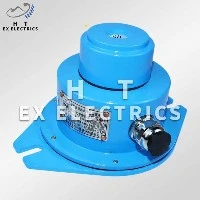


Installing a mounting bracket for an intrinsically safe signal device is a crucial step that ensures the proper functioning and safety of the device. As a trusted supplier of intrinsically safe signal devices, I understand the importance of providing clear guidance on this process. In this blog post, I'll walk you through the step-by-step process of installing a mounting bracket for an intrinsically safe signal device, offering insights and tips based on my experience in the industry.
Understanding Intrinsically Safe Signal Devices
Before we dive into the installation process, let's briefly touch on what intrinsically safe signal devices are. These devices are designed to operate in hazardous environments where the presence of flammable gases, vapors, or dusts could potentially cause an explosion. Intrinsically safe devices are engineered to limit electrical and thermal energy to levels that cannot ignite these hazardous substances. The Intrinsically Safe Sound and Light Signal Device is a prime example of such a device, offering reliable signaling in challenging conditions.
Tools and Materials Needed
To install a mounting bracket for an intrinsically safe signal device, you'll need the following tools and materials:
- Mounting bracket: Ensure that the bracket is compatible with your intrinsically safe signal device and suitable for the mounting surface.
- Screwdriver or drill: Depending on the type of mounting bracket and surface, you may need a screwdriver or drill to secure the bracket.
- Screws or bolts: Use the appropriate screws or bolts to attach the bracket to the mounting surface and the signal device to the bracket.
- Level: A level will help you ensure that the mounting bracket is installed straight and level.
- Measuring tape: You'll need a measuring tape to measure the distance between mounting holes and ensure proper alignment.
Step-by-Step Installation Process
Step 1: Choose the Mounting Location
The first step in installing a mounting bracket for an intrinsically safe signal device is to choose the appropriate mounting location. Consider the following factors when selecting a location:
- Visibility: The signal device should be visible from all relevant areas to ensure that it can effectively convey its message.
- Accessibility: The device should be easily accessible for maintenance and inspection.
- Safety: Avoid installing the device in areas where it could be damaged or pose a safety hazard.
- Environmental conditions: Consider the environmental conditions of the mounting location, such as temperature, humidity, and exposure to chemicals or corrosive substances.
Step 2: Prepare the Mounting Surface
Once you've chosen the mounting location, prepare the mounting surface by cleaning it thoroughly to remove any dirt, debris, or paint. If the surface is uneven or rough, you may need to sand it or use a leveling compound to create a smooth surface.
Step 3: Position the Mounting Bracket
Using a measuring tape and level, position the mounting bracket on the prepared surface. Ensure that the bracket is level and aligned with the mounting holes on the signal device. Mark the location of the mounting holes on the surface using a pencil or marker.
Step 4: Drill or Install Mounting Holes
If the mounting surface is made of a material that requires drilling, use a drill bit of the appropriate size to drill the mounting holes at the marked locations. If the surface is made of a softer material, such as wood or plastic, you may be able to use screws or bolts without drilling.
Step 5: Attach the Mounting Bracket
Once the mounting holes are drilled or installed, attach the mounting bracket to the surface using the appropriate screws or bolts. Tighten the screws or bolts securely, but be careful not to overtighten them, as this could damage the bracket or the mounting surface.


Step 6: Mount the Signal Device
With the mounting bracket securely attached to the surface, mount the intrinsically safe signal device to the bracket using the provided screws or bolts. Ensure that the device is level and aligned with the bracket, and tighten the screws or bolts securely.
Step 7: Connect the Wires
If the signal device requires electrical wiring, carefully connect the wires according to the manufacturer's instructions. Use appropriate wire connectors and ensure that all connections are secure and properly insulated.
Step 8: Test the Signal Device
After the signal device is mounted and wired, test it to ensure that it is functioning properly. Turn on the power supply and check that the device emits the appropriate signal, such as a sound or light. If the device does not function correctly, double-check the wiring connections and consult the manufacturer's troubleshooting guide.
Tips and Best Practices
- Read the manufacturer's instructions: Before installing the mounting bracket and signal device, carefully read the manufacturer's instructions to ensure that you follow the correct procedures and safety guidelines.
- Use the right tools and materials: Using the appropriate tools and materials is essential for a successful installation. Make sure that you have all the necessary tools and that the materials are compatible with the device and the mounting surface.
- Follow safety procedures: When working with electrical devices, it's important to follow all safety procedures to prevent electrical shock or other hazards. Wear appropriate safety gear, such as gloves and safety glasses, and ensure that the power supply is turned off before making any wiring connections.
- Maintain the device: Regular maintenance is important to ensure the continued performance and safety of the signal device. Follow the manufacturer's recommended maintenance schedule and perform any necessary inspections and repairs.
Conclusion
Installing a mounting bracket for an intrinsically safe signal device is a relatively straightforward process that can be completed with the right tools, materials, and knowledge. By following the step-by-step instructions outlined in this blog post and adhering to the tips and best practices, you can ensure that your signal device is installed correctly and functions properly in hazardous environments.
If you're in the market for an intrinsically safe signal device or need further assistance with installation or maintenance, I encourage you to reach out to us. As a leading supplier of intrinsically safe signal devices, we have the expertise and experience to help you find the right solution for your needs. Contact us today to start a conversation about your requirements and explore how our products can enhance the safety and efficiency of your operations.
References
- Manufacturer's instructions for the intrinsically safe signal device and mounting bracket.
- Industry standards and regulations for installing electrical devices in hazardous environments.