


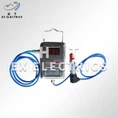

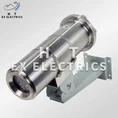

In the realm of industrial surveillance, especially in hazardous environments where explosive gases, dust, or vapors are present, the choice of explosion-proof cameras is of utmost importance. Over the years, there has been a significant shift from analog explosion-proof cameras to digital explosion-proof cameras. As a supplier of Digital Explosion Proof Camera, I am well - versed in the numerous advantages that digital explosion-proof cameras offer over their analog counterparts.
1. Image Quality
One of the most striking differences between digital and analog explosion-proof cameras lies in the image quality. Analog cameras typically operate on a standard resolution, often limited to 720x480 pixels or lower. This low resolution can result in blurry or pixelated images, especially when capturing details from a distance or in low - light conditions. In industrial settings, where accurate identification of objects, personnel, or potential hazards is crucial, such limitations can be a significant drawback.
On the other hand, digital explosion-proof cameras can offer much higher resolutions. Many modern digital cameras support Full HD (1920x1080 pixels) or even 4K (3840x2160 pixels) resolutions. This high - definition imaging allows for clear and detailed monitoring, enabling operators to detect even the smallest of abnormalities. For example, in an oil refinery, a digital camera can clearly capture the details of a valve's position or the presence of a small leak, which might be missed by an analog camera.
Moreover, digital cameras have better color accuracy and contrast. They can reproduce colors more vividly and accurately, which is essential for identifying color - coded safety signs, equipment, or substances in an industrial environment. The improved contrast also ensures that both bright and dark areas in the image are well - defined, reducing the chances of important details being lost in over - or under - exposed areas.
2. Data Transmission and Storage
Analog explosion-proof cameras transmit video signals using coaxial cables. This method has several limitations. Coaxial cables have a limited transmission distance, typically up to a few hundred meters. Beyond this distance, the signal quality degrades significantly, resulting in loss of image clarity and integrity. Additionally, analog signals are more susceptible to interference from electromagnetic fields, which are common in industrial settings. This interference can cause snow, static, or other artifacts in the video feed, making it difficult to interpret the images.
Digital explosion-proof cameras, however, use network cables (such as Ethernet) or wireless technologies for data transmission. Ethernet cables can support much longer transmission distances, up to 100 meters for standard Cat5e or Cat6 cables, and even longer with the use of repeaters or fiber - optic cables. Wireless transmission provides even greater flexibility, allowing cameras to be installed in hard - to - reach areas without the need for extensive cabling.


In terms of storage, analog cameras usually require a dedicated video cassette recorder (VCR) or a digital video recorder (DVR) with analog inputs. VCRs have limited storage capacity and are becoming obsolete. DVRs with analog inputs also have relatively limited storage options and can be more difficult to manage. Digital explosion-proof cameras can be integrated with network video recorders (NVRs), which offer much larger storage capacities. NVRs can store video data for longer periods, and the data can be easily accessed, searched, and retrieved. Some NVRs also support cloud storage, providing an additional layer of data security and allowing for remote access to the video footage from anywhere in the world.
3. Flexibility and Scalability
Analog explosion-proof camera systems are often less flexible in terms of configuration and expansion. Once an analog camera system is installed, it can be difficult and costly to add new cameras or change the existing setup. The limited number of inputs on DVRs and the need for additional coaxial cables make expansion a challenging task.
Digital explosion-proof camera systems, on the other hand, are highly flexible and scalable. They can be easily integrated into existing network infrastructures. Adding new cameras to a digital system is as simple as connecting them to the network and configuring the NVR. This makes it easier for businesses to adapt to changing surveillance needs, such as expanding a facility or adding new monitoring areas.
Digital cameras also offer more flexibility in terms of camera placement. Since they can use wireless transmission, cameras can be installed in areas where running coaxial cables is not feasible, such as on moving equipment or in areas with limited access. Additionally, digital cameras can be easily adjusted remotely, allowing operators to change the camera's angle, zoom level, or focus without having to physically access the camera.
4. Advanced Features
Digital explosion-proof cameras come with a wide range of advanced features that are not available in analog cameras. For example, many digital cameras support motion detection. This feature allows the camera to automatically start recording when it detects movement in its field of view. It can also send alerts to operators via email or SMS, notifying them of potential security threats or unusual activity.
Another useful feature is video analytics. Digital cameras can be equipped with software that can analyze the video footage in real - time. This analytics can include functions such as object counting, people tracking, and intrusion detection. In a manufacturing plant, video analytics can be used to monitor the flow of workers and materials, ensuring efficient operations and detecting any unauthorized access to restricted areas.
Digital cameras also support remote management. Operators can access and control the cameras from a remote location using a computer, tablet, or smartphone. They can adjust camera settings, view live or recorded video, and perform other functions without being physically present at the camera site. This remote management capability is especially useful in large - scale industrial facilities where it would be time - consuming and inefficient to manually manage each camera.
5. Integration with Other Systems
In today's industrial environment, there is a growing need for integrated security and monitoring systems. Digital explosion-proof cameras can be easily integrated with other security systems, such as access control systems, alarm systems, and fire detection systems. For example, when an access control system detects unauthorized entry, it can trigger the digital cameras in the area to start recording and send alerts to the security personnel.
This integration also allows for a more comprehensive and coordinated response to security incidents. All the relevant information from different systems can be centralized and analyzed, providing a more complete picture of the situation. Analog cameras, on the other hand, are more difficult to integrate with other systems due to their proprietary signal formats and limited communication capabilities.
6. Cost - effectiveness in the Long Run
Although the initial cost of digital explosion-proof cameras may be higher than that of analog cameras, they offer greater cost - effectiveness in the long run. The higher image quality and advanced features of digital cameras can lead to improved safety and operational efficiency. By detecting potential problems earlier, businesses can prevent costly accidents and downtime.
The longer transmission distances and more flexible installation options of digital cameras also reduce the cost of cabling and infrastructure. With wireless digital cameras, there is no need for expensive and time - consuming cable installation, especially in large or complex industrial facilities.
In addition, the ease of data storage and management with digital cameras can save costs associated with storage media and maintenance. As mentioned earlier, NVRs with larger storage capacities and cloud storage options are more efficient and reliable than traditional analog storage solutions.
Conclusion
In conclusion, digital explosion-proof cameras offer numerous advantages over analog explosion-proof cameras in terms of image quality, data transmission and storage, flexibility, advanced features, integration with other systems, and long - term cost - effectiveness. As an industrial facility becomes more complex and the need for accurate and reliable surveillance increases, the shift towards digital explosion-proof cameras is inevitable.
If you are in the market for explosion-proof cameras for your industrial facility, I highly recommend considering Digital Explosion Proof Camera. Our company offers a wide range of high - quality digital explosion-proof cameras, including Intrinsically Safe Explosion Proof Camera and Explosion Proof Ir Camera, to meet your specific needs. We are committed to providing the best products and services to ensure the safety and efficiency of your operations. If you are interested in learning more about our products or would like to discuss your requirements, please feel free to contact us for a procurement consultation.
References
- "Industrial Surveillance: A Guide to Choosing the Right Cameras" by Industrial Safety Journal
- "The Future of Explosion - Proof Cameras" by Security Technology Magazine
- Manufacturer's specifications and technical documents for analog and digital explosion - proof cameras.