


Hey there! As a supplier of Equipment On/Off Sensors, I'm super stoked to break down what these nifty devices are all about. In this blog, we'll dig deep into the world of Equipment On/Off Sensors, exploring how they work, their applications, and why they're a game - changer in various industries.

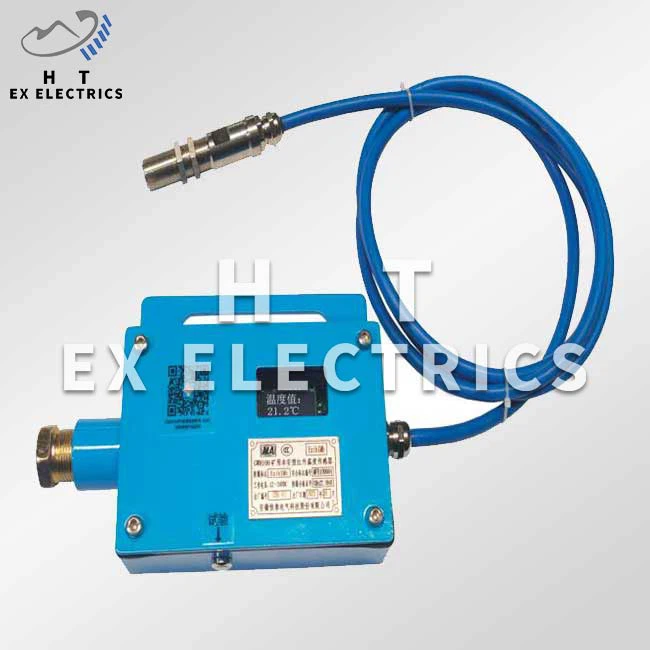
So, what exactly is an Equipment On/Off Sensor? Well, put simply, it's a device that can detect whether a piece of equipment is turned on or off. Sounds basic, right? But the implications and the technology behind it are pretty cool.
How Do They Work?
There are several ways these sensors can operate. One common method is through electrical current detection. When equipment is turned on, it draws an electrical current. The On/Off Sensor can measure this current flow. If there's a significant current, it knows the equipment is up and running. On the flip - side, when the current drops to near zero, it signals that the equipment has been switched off.
Another approach is using magnetic fields. Some sensors are designed to detect the magnetic field generated by the equipment's electrical components. When the equipment is powered on, the magnetic field is present, and the sensor picks it up. Once the power is cut, the magnetic field dissipates, and the sensor registers the equipment as off.
There are also optical sensors. These work by detecting light emissions or reflections from the equipment. For example, some devices emit a small amount of light when they're operational. The optical sensor can detect this light and determine the equipment's on/off status.
Applications
The applications of Equipment On/Off Sensors are vast and varied. Let's take a look at some of the most common ones.
Industrial Manufacturing
In factories, these sensors are crucial for monitoring the status of heavy machinery. For instance, in an assembly line, knowing whether a particular machine is on or off helps in optimizing production. If a machine suddenly shuts down, the sensor can send an alert to the maintenance team, reducing downtime. It also helps in energy management. By accurately tracking when machines are not in use, companies can cut down on unnecessary power consumption.
Home Automation
In our everyday lives, Equipment On/Off Sensors play a big role in home automation systems. Think about your smart home setup. You can use these sensors to monitor the status of appliances like your TV, refrigerator, or air conditioner. This allows you to control them remotely, saving energy and adding convenience. For example, if you forget to turn off your TV before leaving home, you can check the sensor data on your phone and switch it off.
Healthcare
In the healthcare industry, these sensors are used to monitor medical equipment. Life - saving devices like ventilators and defibrillators need to be operational at all times. The On/Off Sensors ensure that these devices are powered on and ready for use. They can also be used to track the usage patterns of equipment, which helps in maintenance scheduling.
Transportation
In the transportation sector, Equipment On/Off Sensors are used in vehicles. They can monitor the status of various systems, such as the engine, lights, and radio. This information is crucial for vehicle diagnostics and safety. For example, if the engine sensor detects that the engine has unexpectedly shut off while the vehicle is in motion, it can trigger an emergency alert.
Our Range of Equipment On/Off Sensors
As a supplier, we offer a wide range of Equipment On/Off Sensors to meet different needs. Our sensors are known for their high accuracy, reliability, and durability. We understand that each industry has its own unique requirements, and we've designed our products accordingly.
For industries where safety is a top priority, we have sensors that are built to withstand harsh environments. These sensors are made from high - quality materials and are resistant to dust, moisture, and extreme temperatures.
We also offer sensors with advanced features like wireless connectivity. This allows for easy integration with existing systems and remote monitoring. You can access the sensor data from anywhere in the world using your smartphone or computer.
Related Products
In addition to our Equipment On/Off Sensors, we also supply other types of sensors. Check out our Intrinsically Safe Coal Level Sensor, which is designed for use in coal mining and other hazardous environments. It provides accurate level measurements while ensuring safety.
Another great product is our Intrinsically Safe Nir Temperature Sensor. This sensor uses Near - Infrared technology to measure temperature accurately, even in challenging conditions.
We also have the Intrinsically Safe Infrared Temperature Sensor, which is ideal for non - contact temperature measurement. It's fast, reliable, and perfect for industrial applications.
Why Choose Us?
When it comes to choosing a supplier for your Equipment On/Off Sensors, there are several reasons why you should pick us. First of all, we have years of experience in the industry. Our team of experts has in - depth knowledge of sensor technology and can provide you with the best solutions for your specific needs.
We offer excellent customer service. Whether you have questions about our products, need help with installation, or require technical support, our friendly and knowledgeable staff is always here to assist you.
Our prices are competitive. We understand that cost is an important factor for our customers, and we strive to offer high - quality sensors at affordable prices.
Let's Talk Business
If you're in the market for Equipment On/Off Sensors or any of our other sensor products, we'd love to hear from you. We're open to discussing your requirements, providing product samples, and offering customized solutions. Whether you're a small business or a large corporation, we have the products and expertise to meet your needs. So, don't hesitate to reach out and start a conversation about your sensor needs.
References
- "Sensors and Actuators Handbook" by John Wilson
- "Industrial Automation: Principles and Applications" by David Miller
- "Home Automation: A Comprehensive Guide" by Sarah Thompson