


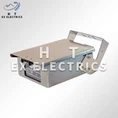


Hey there! As a supplier of Explosion - Proof PTZ Cameras, I often get asked about the power - on self - test function of these cameras. So, I thought I'd write this blog to break it down for you.
Let's start with the basics. An Explosion - Proof PTZ Camera is a specialized device designed to operate safely in hazardous environments where there's a risk of explosions. These cameras are built tough to withstand extreme conditions and are crucial for security and surveillance in places like oil refineries, chemical plants, and mines.
The power - on self - test (POST) function is like a health check for the camera. When you turn on the Explosion - Proof PTZ Camera, it automatically goes through a series of tests to make sure everything is working as it should. This is super important because in hazardous areas, any malfunction can have serious consequences.
What Does the POST Function Check?
1. Hardware Integrity
The first thing the POST function does is check the physical components of the camera. It verifies that all the cables are properly connected. Loose cables can cause signal interference or even lead to complete camera failure. The camera also checks the integrity of its housing. Since it's an explosion - proof camera, the housing needs to be intact to prevent any sparks or flames from escaping into the hazardous environment.
It also examines the pan, tilt, and zoom (PTZ) mechanisms. These are the parts that allow the camera to move and adjust its view. The POST function will make sure that the motors driving these movements are functioning correctly. If there's a problem with the PTZ mechanism, the camera won't be able to cover the area it's supposed to, which defeats the purpose of having a surveillance system.
2. Sensor Functionality
The sensors in an Explosion - Proof PTZ Camera are key to its performance. The POST function checks the image sensor, which is responsible for capturing the video. It tests if the sensor can detect light and convert it into a clear digital image. If the sensor is faulty, the video quality will be poor, with issues like blurry images or incorrect color representation.
Another important sensor is the infrared (IR) sensor, if the camera has one. IR sensors are useful for night vision. The POST function will verify that the IR sensor is emitting the right amount of infrared light and that it can detect objects in low - light conditions.
3. Software and Firmware
Modern Explosion - Proof PTZ Cameras rely heavily on software and firmware to operate. The POST function checks if the software is loaded correctly and if it's compatible with the hardware. It also verifies the integrity of the firmware, which contains the instructions that tell the camera how to function. Outdated or corrupted firmware can cause all sorts of problems, from random shutdowns to incorrect PTZ movements.


Why is the POST Function So Crucial?
1. Safety
In hazardous environments, safety is the top priority. By performing a self - test every time it's powered on, the Explosion - Proof PTZ Camera can detect potential issues before they become serious problems. For example, if there's a small crack in the explosion - proof housing, the POST function might detect it, and the camera can be taken out of service for repair. This prevents any potential ignition sources from being exposed to the explosive atmosphere.
2. Reliability
Surveillance in hazardous areas requires a reliable camera system. The POST function ensures that the camera is in good working condition, which means it can provide continuous and accurate monitoring. This is essential for security purposes. If the camera fails during an important event, it could lead to missed opportunities to prevent accidents or detect intrusions.
3. Cost - Efficiency
Detecting problems early through the POST function can save a lot of money in the long run. Fixing a minor issue is much cheaper than replacing a completely failed camera. It also reduces downtime. In a business setting, downtime means lost productivity, so having a reliable camera system with a robust POST function can help keep operations running smoothly.
How Does the POST Function Work in Practice?
When you power on the Explosion - Proof PTZ Camera, it goes through a short startup sequence. You might see the camera briefly move its PTZ mechanism to test the motors. The LED indicators on the camera will also light up in a specific pattern to show the status of the self - test. For example, a green light might indicate that everything is okay, while a red light could mean there's a problem.
If the POST function detects an issue, the camera will usually display an error code. This code can be used by technicians to diagnose the problem more precisely. Some cameras even have the ability to send an alert to a monitoring station, so that maintenance can be scheduled as soon as possible.
Comparing with Other Explosion - Proof Cameras
There are other types of explosion - proof cameras on the market, like Explosion Proof Intrinsically Safe Camera and Intrinsically Safe Explosion Proof Camera. While they all have the goal of being safe in hazardous environments, the POST function in an Explosion - Proof PTZ Camera is tailored to its specific features.
Intrinsically safe cameras are designed to limit the energy they produce to a level that won't cause an explosion. Their POST functions will focus more on energy management and ensuring that the internal components don't generate excessive heat or sparks. On the other hand, the Explosion - Proof PTZ Camera's POST function has a greater emphasis on the PTZ mechanism and the overall surveillance capabilities.
Conclusion
The power - on self - test function of an Explosion - Proof PTZ Camera is a vital part of its operation. It ensures the camera's safety, reliability, and cost - efficiency. By checking the hardware, sensors, and software, the POST function can catch potential problems early and prevent them from turning into disasters.
If you're in the market for an Explosion - Proof PTZ Camera for your hazardous area, understanding the importance of the POST function can help you make an informed decision. We're here to provide you with high - quality cameras that come with a robust POST function. If you have any questions or are interested in purchasing our products, feel free to reach out to us for a detailed discussion. We'd love to help you find the perfect surveillance solution for your needs.
References
- "Surveillance Systems in Hazardous Environments" - Industry White Paper
- "Explosion - Proof Camera Technology" - Technical Journal Article