


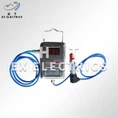



When it comes to ensuring safety and security in hazardous environments, explosion-proof cameras play a crucial role. Among them, the Explosion-Proof PTZ (Pan-Tilt-Zoom) Camera stands out for its flexibility and advanced surveillance capabilities. One of the key technical specifications that users often inquire about is the power supply voltage range of an Explosion-Proof PTZ Camera. In this blog post, I'll delve into this topic, sharing insights from my experience as a supplier of these high - end cameras.
Understanding the Basics of Explosion - Proof PTZ Cameras
Before we dive into the power supply voltage range, it's essential to understand what an Explosion - Proof PTZ Camera is. These cameras are designed to operate safely in potentially explosive atmospheres, such as those found in oil refineries, chemical plants, and mines. They are built with robust enclosures that can withstand and contain any internal explosion, preventing it from igniting the surrounding hazardous gases or dust.
The PTZ functionality of these cameras allows for remote control of the camera's horizontal (pan), vertical (tilt), and zoom movements. This provides users with the ability to monitor large areas and focus on specific details, enhancing the overall effectiveness of the surveillance system. For more information on our range of explosion - proof cameras, you can visit Explosion Proof Security Camera and Explosion - Proof PTZ Camera.
Importance of Power Supply Voltage Range
The power supply voltage range is a critical parameter for any electrical device, and explosion - proof PTZ cameras are no exception. A proper voltage supply ensures the stable operation of the camera, affects its performance, and can even impact its lifespan.


If the voltage is too low, the camera may not function correctly. It could experience issues such as slow pan, tilt, or zoom movements, reduced image quality, or even fail to power on at all. On the other hand, if the voltage is too high, it can cause overheating, damage to the internal components, and potentially lead to a safety hazard in the explosive environment.
Typical Power Supply Voltage Range
Most explosion - proof PTZ cameras on the market have a relatively wide power supply voltage range to accommodate different electrical systems in various industrial settings. Generally, the common power supply voltage range for these cameras is between 100V and 240V AC or 12V to 48V DC.
AC Power Supply
- 100V - 240V AC: This is a very common voltage range for explosion - proof PTZ cameras. It allows the cameras to be used in different regions around the world, as different countries have different standard mains voltages. For example, in the United States, the standard household and industrial voltage is around 120V AC, while in many European countries, it is 230V AC. Cameras with this voltage range can adapt to these different power supplies without the need for additional voltage converters.
DC Power Supply
- 12V - 48V DC: DC power supplies are often used in more specialized or decentralized systems. For example, in some remote monitoring applications where solar panels or batteries are used as the power source, a DC power supply is more practical. A 12V DC supply is commonly used in smaller systems or when power consumption needs to be minimized, while 48V DC can provide more power for larger cameras with high - end features.
Factors Affecting the Power Supply Voltage Range
Several factors can influence the specific power supply voltage range of an explosion - proof PTZ camera.
Camera Features and Components
Cameras with more advanced features, such as high - resolution imaging sensors, powerful zoom lenses, and built - in infrared illumination, typically require more power. These cameras may have a different power supply voltage range to ensure that all components receive sufficient power to operate optimally. For instance, an Intrinsically Safe Infrared Camera with high - intensity infrared LEDs will need a higher voltage to power these additional components.
Environmental Conditions
The operating environment can also affect the power supply requirements. In extremely cold or hot environments, the camera's internal components may have different electrical characteristics. For example, in cold temperatures, the resistance of some electrical components may increase, requiring a slightly higher voltage to maintain normal operation.
Safety Regulations
Explosion - proof cameras must comply with strict safety regulations. These regulations may specify certain requirements for the power supply voltage range to ensure the safe operation of the camera in explosive atmospheres. Manufacturers need to design their cameras to meet these standards, which can influence the final voltage range offered.
Selecting the Right Power Supply
When choosing a power supply for an explosion - proof PTZ camera, it's important to consider the following points:
Compatibility
Ensure that the power supply voltage is within the specified range of the camera. Using a power supply with an incorrect voltage can damage the camera and void the warranty.
Stability
A stable power supply is essential. Fluctuations in voltage can cause issues with the camera's performance. Consider using a power supply with built - in voltage regulation to ensure a consistent power output.
Capacity
The power supply should have sufficient capacity to meet the camera's power requirements. If the power supply is under - sized, it may not be able to provide enough power, especially when the camera is performing multiple functions simultaneously, such as panning, tilting, and zooming.
Conclusion
The power supply voltage range of an explosion - proof PTZ camera is a crucial factor that affects its performance, reliability, and safety. As a supplier of these cameras, we understand the importance of providing clear information to our customers to help them make the right choices. Whether you need a camera for a large industrial complex or a remote monitoring site, we have a range of explosion - proof PTZ cameras with suitable power supply options.
If you're interested in purchasing an explosion - proof PTZ camera or have any questions about power supply requirements, please don't hesitate to contact us for further discussion and procurement negotiation. We're committed to providing you with the best solutions for your surveillance needs in hazardous environments.
References
- Industry standards and regulations for explosion - proof electrical equipment
- Technical documentation from explosion - proof camera manufacturers