


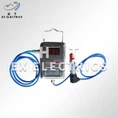

As a supplier of intrinsically safe signal devices, I've witnessed firsthand the growing demand for reliable and efficient safety solutions in hazardous environments. Intrinsically safe signal devices play a crucial role in ensuring the safety of personnel and equipment by providing clear and timely warnings in potentially explosive atmospheres. In this blog post, I'll delve into the resolution of intrinsically safe signal devices, exploring what it means, why it matters, and how it impacts the performance of these critical safety tools.
Understanding Intrinsically Safe Signal Devices
Before we dive into the concept of resolution, let's briefly review what intrinsically safe signal devices are and how they work. Intrinsically safe devices are designed to operate in hazardous areas where flammable gases, vapors, or dusts may be present. These devices are engineered to limit the energy they produce to a level that is insufficient to ignite the surrounding explosive atmosphere. This is achieved through a combination of electrical and mechanical design features, such as low-power circuits, flameproof enclosures, and intrinsic safety barriers.
Intrinsically safe signal devices come in various forms, including audible alarms, visual signals, and combination sound-and-light devices. These devices are used in a wide range of industries, such as oil and gas, chemical processing, mining, and pharmaceuticals, to alert workers to potential dangers, such as gas leaks, fires, or equipment malfunctions.
What is Resolution in Intrinsically Safe Signal Devices?
In the context of intrinsically safe signal devices, resolution refers to the ability of the device to provide accurate and detailed information about the nature and severity of a hazard. A high-resolution signal device can distinguish between different types of hazards and provide specific warnings tailored to each situation. For example, a high-resolution gas detector may be able to identify the type of gas present, its concentration, and the level of danger it poses.
Resolution can also refer to the clarity and precision of the signal itself. A high-resolution audible alarm may produce a clear and distinct sound that can be easily recognized even in noisy environments, while a high-resolution visual signal may provide bright and sharp illumination that is visible from a distance.
Why Resolution Matters
The resolution of intrinsically safe signal devices is crucial for several reasons. Firstly, it directly impacts the effectiveness of the device in alerting workers to potential hazards. A low-resolution signal device may provide only a general warning, such as a simple beep or a flashing light, which may not provide enough information for workers to take appropriate action. In contrast, a high-resolution device can provide detailed information about the nature and severity of the hazard, allowing workers to make informed decisions and respond quickly and effectively.
Secondly, resolution is important for ensuring the safety of personnel and equipment. In hazardous environments, even a small delay in response time can have serious consequences. A high-resolution signal device can provide clear and timely warnings, reducing the risk of accidents and minimizing the potential for damage to equipment and property.


Finally, resolution can also have an impact on the overall efficiency and productivity of a workplace. By providing accurate and detailed information, high-resolution signal devices can help workers to identify and address potential hazards more quickly, reducing downtime and improving the overall performance of the facility.
Factors Affecting Resolution
Several factors can affect the resolution of intrinsically safe signal devices. These include:
- Sensor Technology: The type and quality of the sensors used in the device can have a significant impact on its resolution. For example, a high-quality gas sensor may be able to detect a wider range of gases and provide more accurate readings than a lower-quality sensor.
- Signal Processing: The way in which the device processes the sensor data can also affect its resolution. Advanced signal processing algorithms can filter out noise and interference, improving the accuracy and clarity of the signal.
- Display and Output: The type and quality of the display and output devices used in the device can also impact its resolution. A high-resolution display may provide more detailed information than a lower-resolution display, while a high-quality speaker or light source may produce a clearer and more distinct signal.
- Environmental Conditions: The environmental conditions in which the device operates can also affect its resolution. For example, high levels of noise, dust, or humidity can interfere with the signal and reduce its clarity and accuracy.
Improving Resolution in Intrinsically Safe Signal Devices
As a supplier of intrinsically safe signal devices, we are constantly working to improve the resolution of our products. Here are some of the ways we are achieving this:
- Investing in Research and Development: We are committed to investing in research and development to stay at the forefront of sensor technology and signal processing. By continuously improving our products, we can provide our customers with the highest level of resolution and performance.
- Using High-Quality Components: We use only the highest quality components in our signal devices, including sensors, displays, and output devices. This ensures that our products are reliable, accurate, and provide clear and detailed information.
- Conducting Rigorous Testing: We conduct rigorous testing on all of our products to ensure that they meet the highest standards of quality and performance. This includes testing in real-world conditions to ensure that the devices can provide accurate and reliable information even in challenging environments.
- Providing Training and Support: We provide comprehensive training and support to our customers to ensure that they understand how to use our products effectively and get the most out of their resolution. This includes training on how to interpret the signals provided by the device and how to respond to different types of hazards.
Conclusion
The resolution of intrinsically safe signal devices is a critical factor in ensuring the safety and efficiency of workplaces in hazardous environments. By providing accurate and detailed information about potential hazards, high-resolution signal devices can help workers to make informed decisions and respond quickly and effectively. As a supplier of intrinsically safe signal devices, we are committed to providing our customers with the highest level of resolution and performance. We believe that by investing in research and development, using high-quality components, conducting rigorous testing, and providing comprehensive training and support, we can help our customers to improve the safety and productivity of their facilities.
If you are interested in learning more about our Intrinsically Safe Sound and Light Signal Device or other intrinsically safe signal devices, please contact us to discuss your specific needs and requirements. Our team of experts will be happy to assist you in selecting the right device for your application and providing you with the support and training you need to ensure its successful implementation.
References
- International Electrotechnical Commission (IEC). (2010). Explosive atmospheres - Part 0: General requirements for equipment. IEC 60079-0.
- National Fire Protection Association (NFPA). (2012). National Electrical Code. NFPA 70.
- American Petroleum Institute (API). (2015). Recommended practice for installation of electrical equipment for petroleum facilities classified as Class I, Division 1 and Division 2. API RP 500.