



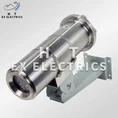


Hey there! As a supplier of Intrinsically Safe Laser Sensors, I often get asked if these sensors can be used in the oil and gas industry. Well, let's dive right into it and explore this topic.
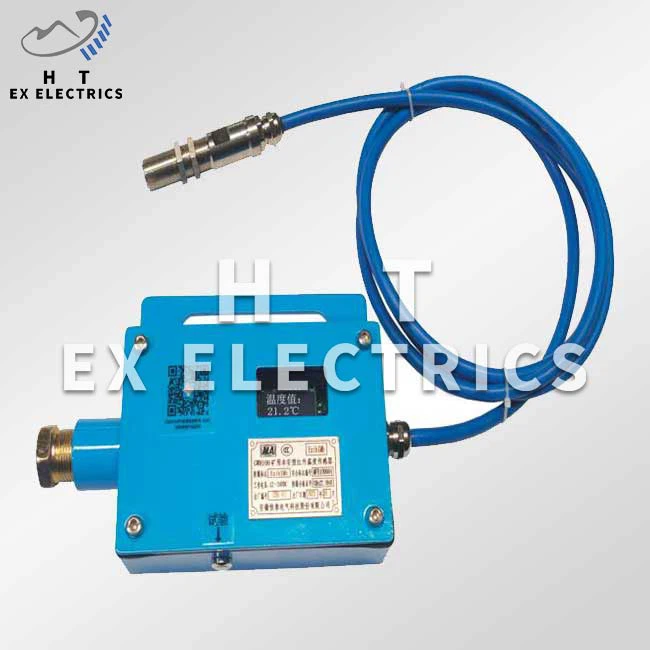

First off, what exactly is an intrinsically safe laser sensor? An Intrinsically Safe Laser Sensor is designed to operate in hazardous environments without causing a spark or ignition. It's built with safety in mind, ensuring that it won't trigger an explosion in areas where flammable gases, vapors, or dust are present.
Now, let's talk about the oil and gas industry. This industry is known for its high - risk environments. Oil rigs, refineries, and storage facilities are filled with flammable substances like crude oil, natural gas, and various chemicals. Any electrical equipment used in these areas needs to meet strict safety standards to prevent disasters.
One of the key advantages of using an intrinsically safe laser sensor in the oil and gas industry is its ability to provide accurate measurements. These sensors can measure distances, levels, and even detect objects with high precision. For example, in a storage tank, an intrinsically safe laser sensor can accurately measure the level of oil or gas, helping operators to manage inventory and prevent over - filling.
Another benefit is its reliability. In the harsh conditions of the oil and gas industry, equipment needs to be tough. Intrinsically safe laser sensors are built to withstand extreme temperatures, vibrations, and corrosive environments. They can operate continuously without frequent breakdowns, which is crucial for maintaining the smooth operation of oil and gas facilities.
Let's take a look at some specific applications. In pipeline monitoring, an intrinsically safe laser sensor can be used to detect any changes in the pipeline's shape or alignment. This helps in early detection of potential leaks or structural issues, which can save a lot of money and prevent environmental disasters.
In refineries, these sensors can be used for level measurement in various tanks and vessels. They can also be used for position sensing in conveyor systems, ensuring that the materials are transported safely and efficiently.
However, like any technology, there are also some challenges. One of the main challenges is the cost. Intrinsically safe laser sensors are generally more expensive than their non - intrinsically safe counterparts. This is because of the additional safety features and certifications they require. But when you consider the potential risks and the cost of a safety incident, the investment in an intrinsically safe laser sensor is well worth it.
Another challenge is the need for proper installation and maintenance. These sensors need to be installed by trained professionals to ensure that they are working correctly and safely. Regular maintenance is also required to keep them in good working condition.
Now, let's compare intrinsically safe laser sensors with other types of sensors used in the oil and gas industry. For example, Intrinsically Safe Nir Temperature Sensor is mainly used for temperature measurement. While it's an important sensor, it doesn't provide the same kind of distance or level measurement capabilities as a laser sensor.
On the other hand, Intrinsically Safe Radar Level Sensor is also used for level measurement. It works well in some applications, but it may not be as accurate as a laser sensor in certain situations, especially when dealing with small objects or in areas with a lot of interference.
In conclusion, an intrinsically safe laser sensor can definitely be used in the oil and gas industry. Its accuracy, reliability, and safety features make it a valuable tool for various applications in this high - risk industry.
If you're in the oil and gas industry and are looking for a reliable and safe sensor solution, I encourage you to consider our Intrinsically Safe Laser Sensors. We have a wide range of products that can meet your specific needs. Whether you need to measure levels in storage tanks, monitor pipelines, or detect objects in hazardous areas, our sensors are up to the task.
If you're interested in learning more about our products or have any questions, don't hesitate to reach out. We're here to help you make the right choice for your business. Let's have a chat and see how our Intrinsically Safe Laser Sensors can improve the safety and efficiency of your operations.
References
- Industry standards for intrinsically safe equipment in the oil and gas sector.
- Case studies of using laser sensors in oil and gas facilities.
- Technical specifications of intrinsically safe laser sensors.