


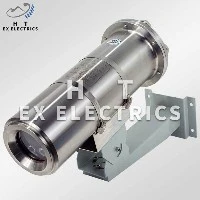
Hey there, automotive enthusiasts and industry pros! Today, I want to dig into a pretty interesting topic: Can an intrinsically safe photo sensor be used in automotive applications? As a supplier of intrinsically safe photo sensors, I've seen firsthand the potential and challenges in this area, so I'm excited to share my insights with you.
First off, let's quickly go over what an intrinsically safe photo sensor is. These sensors are designed to operate in hazardous environments without causing a spark or ignition. They're built to limit electrical and thermal energy to a level that can't ignite the surrounding flammable gases or dust. This makes them super safe for use in places where a little spark could lead to big trouble.
Now, when it comes to automotive applications, the first thing that might come to mind are the obvious safety benefits. In cars, there are various situations where a spark could be dangerous, like in fuel - handling systems or areas with high concentrations of combustible vapors. An intrinsically safe photo sensor could be a game - changer here. For example, in a hybrid or electric vehicle, the battery management system is a critical area. There's a risk of flammable gases being released during battery charging or discharging. An intrinsically safe photo sensor could be used to monitor the environment around the battery, detecting any changes in gas levels or the presence of foreign objects that could pose a risk.


Another area in automotive applications where these sensors could shine is in the paint - spraying process. In painting booths, there are highly flammable paint mists and solvents. A traditional sensor could potentially cause an explosion if a spark were to occur. But an intrinsically safe photo sensor can operate safely in this environment, accurately detecting the position of the vehicle parts for a more precise paint job.
But it's not all smooth sailing. There are some challenges to using these sensors in automotive applications. One of the main issues is cost. Intrinsically safe sensors are generally more expensive than their non - intrinsically safe counterparts. This is because of the extra design and manufacturing requirements to ensure their safety. For automotive manufacturers, who are always looking to keep costs down, this can be a major hurdle.
Then there's the matter of performance. In the automotive world, sensors need to be fast, accurate, and reliable. They have to handle a wide range of temperatures, vibrations, and environmental conditions. While intrinsically safe photo sensors are getting better, there's still some work to be done to match the high - performance standards of the automotive industry.
Now, let's talk about some of the related products that might be of interest. If you're looking at other types of intrinsically safe sensors, we also offer the Intrinsically Safe Infrared Temperature Sensor. This sensor can be useful in automotive applications for monitoring the temperature of engine components or batteries. It offers accurate temperature readings without the risk of ignition in a hazardous environment.
We also have the Tension Sensor. In automotive manufacturing, tension sensors are used in various processes, like in the assembly of belts and cables. An intrinsically safe version of this sensor can ensure the safety of workers and equipment in areas where there's a risk of flammable substances.
And for those looking for a proximity sensor, our Intrinsically Safe Inductive Proximity Sensor is a great option. It can be used to detect the presence or absence of metal objects in automotive production lines, all while maintaining a high level of safety.
Despite the challenges, I believe there's a lot of potential for intrinsically safe photo sensors in automotive applications. As technology advances, the cost of these sensors is likely to come down, and their performance will continue to improve. Automotive manufacturers are also becoming more aware of the importance of safety, which could lead to an increased demand for these sensors.
So, if you're in the automotive industry and you're interested in learning more about how our intrinsically safe photo sensors or other related sensors can fit into your applications, I'd love to have a chat. Whether you're looking to improve safety in your manufacturing processes or in the vehicles themselves, we're here to help. Reach out to us to start a discussion about your specific needs and how we can provide a solution.
In summary, while there are challenges to using intrinsically safe photo sensors in automotive applications, the benefits in terms of safety are significant. With the right approach and continued technological development, these sensors could become a standard feature in the automotive world.
References
- [Intrinsically Safe Equipment in Hazardous Environments: A Technical Overview](Author not specified. Year published not specified).
- [Automotive Sensor Technology: Current Trends and Future Developments](Author not specified. Year published not specified).