


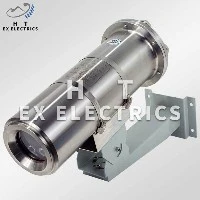
In the rapidly evolving landscape of industrial safety and surveillance, digital explosion-proof cameras have emerged as a critical tool. As a leading supplier of digital explosion-proof cameras, I am often asked whether these cameras can be remotely controlled. This blog post aims to explore this question in depth, shedding light on the capabilities, benefits, and considerations of remotely controlling digital explosion-proof cameras.
Understanding Digital Explosion-Proof Cameras
Digital explosion-proof cameras are designed to operate safely in hazardous environments where there is a risk of explosion. These cameras are built with robust enclosures and specialized components to prevent sparks or heat from igniting flammable gases, vapors, or dust. They are commonly used in industries such as oil and gas, chemical processing, mining, and manufacturing.
The primary function of digital explosion-proof cameras is to provide real-time monitoring and surveillance in dangerous areas. They can capture high-quality video and images, allowing operators to keep an eye on critical processes, equipment, and personnel. With the advancement of technology, these cameras have become more intelligent and feature-rich, offering a range of capabilities such as pan, tilt, zoom (PTZ), night vision, and motion detection.
Can Digital Explosion-Proof Cameras be Remotely Controlled?
The short answer is yes. Digital explosion-proof cameras can be remotely controlled, and this feature has become increasingly important in modern industrial applications. Remote control allows operators to adjust the camera's position, zoom level, focus, and other settings from a central location, without the need to physically access the hazardous area.
There are several ways to remotely control digital explosion-proof cameras. One common method is through a network connection, such as Ethernet or Wi-Fi. By connecting the camera to a local area network (LAN) or the internet, operators can access the camera's control interface using a computer, tablet, or smartphone. This enables them to view live video feeds, adjust camera settings, and even record footage remotely.
Another option is to use a dedicated control system or software. Many digital explosion-proof cameras come with their own proprietary control software, which can be installed on a computer or server. This software provides a user-friendly interface for managing multiple cameras, setting up alerts and notifications, and performing advanced functions such as video analytics.
Benefits of Remote Control
The ability to remotely control digital explosion-proof cameras offers several significant benefits for industrial users:
Enhanced Safety
By eliminating the need for personnel to enter hazardous areas, remote control reduces the risk of accidents and injuries. Operators can monitor and adjust the camera's position and settings from a safe location, minimizing their exposure to potentially dangerous conditions.
Improved Efficiency
Remote control allows operators to quickly and easily adjust the camera's view, zoom in on specific areas of interest, and capture high-resolution images and videos. This can save time and improve productivity, especially in large industrial facilities where multiple cameras are deployed.
Real-Time Monitoring
With remote control, operators can access live video feeds from anywhere, at any time. This enables them to respond quickly to emergencies, monitor critical processes, and make informed decisions based on real-time data.
Flexibility and Scalability
Remote control systems can be easily integrated with other security and surveillance technologies, such as access control systems, alarm systems, and video management software. This allows for a more comprehensive and scalable security solution that can be customized to meet the specific needs of each industrial facility.
Considerations for Remote Control
While remote control offers many benefits, there are also some considerations that need to be taken into account:
Network Security
When connecting digital explosion-proof cameras to a network, it is essential to ensure that the network is secure. This includes implementing strong passwords, using encryption, and regularly updating the camera's firmware to protect against cyber threats.
Bandwidth Requirements
Remote control and live video streaming require a reliable and high-speed network connection. In areas with limited bandwidth, it may be necessary to optimize the camera's settings or use a different network technology to ensure smooth operation.
Compatibility
Before implementing a remote control system, it is important to ensure that the camera is compatible with the control software or system being used. This may require consulting with the camera manufacturer or a professional security integrator.
Training and Support
Operators need to be trained on how to use the remote control system effectively. This includes understanding how to access the camera's control interface, adjust settings, and troubleshoot any issues that may arise. Additionally, it is important to have access to technical support in case of problems.
Applications of Remotely Controlled Digital Explosion-Proof Cameras
Remotely controlled digital explosion-proof cameras have a wide range of applications in various industries:
Oil and Gas
In the oil and gas industry, these cameras are used to monitor offshore platforms, refineries, and pipelines. Remote control allows operators to inspect equipment, detect leaks, and ensure compliance with safety regulations without putting personnel at risk.


Chemical Processing
Chemical plants often operate in hazardous environments where there is a risk of explosion. Remotely controlled cameras can be used to monitor chemical reactions, detect spills, and prevent accidents.
Mining
In the mining industry, digital explosion-proof cameras are used to monitor underground mines, open-pit mines, and processing plants. Remote control enables operators to monitor the movement of equipment and personnel, detect potential hazards, and improve overall safety.
Manufacturing
Manufacturing facilities can benefit from remotely controlled cameras to monitor production lines, ensure quality control, and prevent theft and vandalism. These cameras can be integrated with other automation systems to improve efficiency and productivity.
Conclusion
In conclusion, digital explosion-proof cameras can be remotely controlled, offering significant benefits for industrial users. Remote control enhances safety, improves efficiency, and provides real-time monitoring capabilities. However, it is important to consider network security, bandwidth requirements, compatibility, and training when implementing a remote control system.
As a supplier of digital explosion-proof cameras, we are committed to providing our customers with high-quality products and solutions that meet their specific needs. Our Explosion-Proof PTZ Camera offers advanced remote control capabilities, allowing operators to easily adjust the camera's position, zoom level, and focus from a central location. We also offer a Coal Mine Safety Monitoring System that includes remotely controlled cameras and other safety features to ensure the safety of miners and the efficient operation of coal mines. Additionally, our Intrinsically Safe LiDAR Camera/explosion Proof Security Camera provides high-resolution imaging and advanced detection capabilities in hazardous environments.
If you are interested in learning more about our digital explosion-proof cameras and remote control solutions, please contact us for a consultation. Our team of experts will be happy to assist you in finding the right solution for your industrial security needs.