


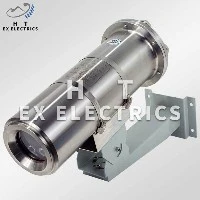
Can intrinsically safe signal devices be used in oil and gas industries?
The oil and gas industries are among the most hazardous environments globally, characterized by the presence of flammable gases, vapors, and dusts. Consequently, safety is of the utmost importance, and the implementation of reliable and effective safety measures is indispensable. Intrinsically safe signal devices have emerged as a critical component in ensuring safety in these high - risk settings. As a leading supplier of intrinsically safe signal devices, I am well - positioned to discuss their applicability in the oil and gas sectors.
Understanding Intrinsically Safe Signal Devices
Intrinsically safe signal devices are designed in such a way that they cannot generate sufficient electrical or thermal energy to cause ignition in a hazardous atmosphere. These devices limit the electrical energy within a safe range, ensuring that even under fault conditions, there is no risk of sparking or heat generation that could ignite the surrounding flammable substances. They typically come in various forms, including Intrinsically Safe Sound and Light Signal Device, which can provide both audible and visual warnings to alert workers in potentially dangerous situations.
Suitability in Oil and Gas Industries
Hazardous Atmospheres
The oil and gas industries often involve operations in areas where flammable substances are present. Exploration, production, refining, and transportation processes all have the potential to release flammable gases such as methane and ethane. Intrinsically safe signal devices are specifically engineered to be used in these classified hazardous areas. Their design and construction ensure that they can function reliably without posing an ignition risk, thereby preventing explosions and fires.
Remote and Harsh Environments
Many oil and gas facilities are located in remote areas with harsh environmental conditions, including extreme temperatures, high humidity, and exposure to corrosive substances. Intrinsically safe signal devices are built to withstand these challenging environments. They are often made of robust materials that are resistant to corrosion and abrasion, and are designed to operate over a wide temperature range. This durability ensures that the devices can provide continuous and accurate signaling in even the most unforgiving conditions.
Emergency Response
In the event of an emergency, such as a gas leak or equipment failure, timely and effective communication is crucial. Intrinsically safe signal devices can play a vital role in emergency response situations. For example, an intrinsically safe sound and light signal device can quickly alert workers to evacuate the area by providing a loud alarm and a highly visible strobe light. These devices can be integrated into the overall safety system of an oil and gas facility, ensuring that all workers are aware of the emergency and can take appropriate actions.
Compliance with Standards and Regulations
The oil and gas industries are subject to strict safety standards and regulations, both at the national and international levels. Intrinsically safe signal devices must comply with relevant standards such as IECEx (International Electrotechnical Commission System for Certification to Standards Relating to Equipment for Use in Explosive Atmospheres) and ATEX (Atmosphères Explosibles), which are widely recognized and adopted in the industry. As a supplier, we ensure that all of our intrinsically safe signal devices meet or exceed these standards. Compliance not only ensures the safety of the workers but also helps oil and gas companies avoid potential legal and financial liabilities.
Advantages of Using Intrinsically Safe Signal Devices in Oil and Gas Industries
Reduced Risk of Ignition
The primary advantage of using intrinsically safe signal devices in the oil and gas sectors is the significant reduction in the risk of ignition. By eliminating the possibility of sparks and excessive heat generation, these devices minimize the likelihood of explosions and fires in hazardous areas. This directly contributes to the safety of workers, protection of assets, and continuity of operations.
Lower Maintenance Requirements
Compared to non - intrinsically safe devices, intrinsically safe signal devices generally have lower maintenance requirements. The design of these devices is less prone to failures that could lead to safety hazards. This reduces the need for frequent maintenance and inspections, saving both time and money for oil and gas companies.
Enhanced Reliability
Reliability is crucial in the oil and gas industries, where even a brief interruption in operations can result in significant financial losses. Intrinsically safe signal devices are engineered for high reliability. They are tested rigorously to ensure that they can operate consistently under various conditions, providing a reliable signaling solution for critical safety applications.


Real - World Applications
There are numerous real - world examples of intrinsically safe signal devices being successfully used in the oil and gas industries. In offshore drilling platforms, for example, these devices are used to signal the presence of gas leaks and other potential hazards. Onshore oil refineries also rely on intrinsically safe signal devices to monitor and control the flow of flammable substances, and to alert workers in case of emergencies.
Challenges and Solutions
Cost
One of the challenges associated with using intrinsically safe signal devices is their relatively high cost compared to non - intrinsically safe alternatives. However, this initial investment is often offset by the long - term benefits, such as reduced safety risks, lower maintenance costs, and improved operational efficiency. Additionally, as the demand for intrinsically safe technology continues to grow, the cost of these devices is expected to gradually decrease.
Technical Expertise
Installing and maintaining intrinsically safe signal devices requires a certain level of technical expertise. Oil and gas companies need to ensure that their personnel are properly trained to handle these devices. As a supplier, we offer comprehensive training and support services to help our customers install, operate, and maintain our intrinsically safe signal devices effectively.
Conclusion
In conclusion, intrinsically safe signal devices are highly suitable for use in the oil and gas industries. Their ability to operate safely in hazardous atmospheres, withstand harsh environments, and provide reliable signaling in emergency situations makes them an essential component of any comprehensive safety system in these industries. As a supplier of intrinsically safe signal devices, we are committed to providing high - quality products and services that meet the specific needs of the oil and gas sectors.
If you are in the oil and gas industry and are interested in enhancing the safety of your operations with intrinsically safe signal devices, I encourage you to contact us for a detailed discussion. Our team of experts is ready to assist you in selecting the most appropriate solutions for your specific requirements.
References
- IEC 60079 series of standards. International Electrotechnical Commission.
- ATEX Directive 2014/34/EU. European Union.
- Industry reports on safety in oil and gas operations.