


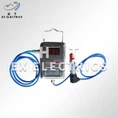

Coal mines are among the most hazardous work environments in the world. The presence of combustible gases, dust, and high - risk machinery poses constant threats to the safety of miners and the overall operation of the mine. In such a challenging environment, intrinsically safe sensors play a crucial role in ensuring safety. As a leading supplier of intrinsically safe sensors, I am well - versed in how these devices contribute to the safety of coal mines.
Understanding Intrinsically Safe Sensors
Intrinsically safe sensors are designed to operate in potentially explosive atmospheres without causing ignition. They are engineered to limit the electrical and thermal energy to a level below that required to ignite the surrounding explosive mixtures, such as methane gas and coal dust commonly found in coal mines.
These sensors are built with special components and circuits. For example, they use low - power electronic components that generate minimal heat. Additionally, they are equipped with barriers and protection circuits to prevent excessive energy from being released. The design and construction of intrinsically safe sensors adhere to strict international standards, such as IEC 60079 - 11, which ensures their reliability and safety in hazardous areas.
Monitoring Gas Concentration
One of the most significant safety risks in coal mines is the presence of combustible gases, primarily methane. Methane is highly flammable and can form explosive mixtures with air when its concentration reaches between 5% and 15%. Intrinsically safe gas sensors are used to continuously monitor the methane concentration in the mine.
These sensors work based on different principles, such as catalytic combustion or infrared absorption. Catalytic combustion sensors contain a catalytic element that reacts with methane, causing a change in temperature. This temperature change is then converted into an electrical signal proportional to the methane concentration. Infrared absorption sensors, on the other hand, measure the absorption of infrared light by methane molecules. By analyzing the amount of absorbed light, the sensor can accurately determine the methane concentration.


If the gas concentration exceeds the safe limit, the sensor sends an alarm signal to the mine control system. Miners are then immediately informed, and appropriate safety measures can be taken, such as stopping the operation, increasing ventilation, or evacuating the area. Our company offers a wide range of intrinsically safe gas sensors that are highly accurate and reliable, ensuring continuous and effective gas monitoring in coal mines. You can learn more about our Intrinsically Safe Temperature Sensor which can also be used in conjunction with gas sensors for comprehensive environmental monitoring.
Detecting Smoke and Fire
Fire is another major hazard in coal mines. It can be caused by electrical faults, friction, or spontaneous combustion of coal. Intrinsically safe smoke sensors are essential for early fire detection in coal mines.
These sensors are designed to detect the presence of smoke particles in the air. They use optical or ionization technology. Optical smoke sensors work by detecting the scattering of light by smoke particles. When smoke enters the sensor chamber, it scatters the light from an LED, and a photodetector senses the change in light intensity. Ionization smoke sensors, on the other hand, use a small amount of radioactive material to ionize the air in the sensor chamber. Smoke particles disrupt the ionization process, causing a change in the electrical current, which triggers the alarm.
Early detection of smoke can prevent a small fire from turning into a large - scale disaster. Miners can be alerted in time, and fire - fighting equipment can be deployed to extinguish the fire. Our Intrinsically Safe Smoke Sensor is designed to be highly sensitive and can detect smoke at very low concentrations, providing reliable fire detection in coal mines.
Measuring Distance and Position
In coal mines, accurate measurement of distance and position is crucial for safe operation. Intrinsically safe laser distance sensors are used for this purpose. These sensors use laser technology to measure the distance between the sensor and an object.
The sensor emits a laser beam towards the target object, and the time it takes for the laser beam to reflect back to the sensor is measured. Based on the speed of light, the distance can be accurately calculated. These sensors can be used in various applications in coal mines, such as monitoring the movement of mining equipment, measuring the height of coal seams, and ensuring the safe clearance between machinery and mine walls.
By providing accurate distance and position information, these sensors help prevent collisions and accidents. They also contribute to the efficient operation of mining equipment. Our Intrinsically Safe Laser Distance Sensor offers high - precision measurement and is suitable for use in the harsh environment of coal mines.
Environmental Monitoring
In addition to gas, smoke, and distance monitoring, intrinsically safe sensors are also used for environmental monitoring in coal mines. Temperature sensors are used to monitor the temperature in different parts of the mine. High temperatures can indicate the presence of a fire or excessive heat generated by machinery, which can be a safety hazard.
Humidity sensors are used to measure the moisture content in the air. High humidity can affect the performance of electrical equipment and increase the risk of corrosion. Dust sensors are used to monitor the concentration of coal dust in the air. Coal dust is not only a health hazard but also a potential explosion risk when it accumulates in high concentrations.
By continuously monitoring these environmental parameters, miners can take appropriate measures to maintain a safe and healthy working environment. Our range of intrinsically safe sensors for environmental monitoring provides comprehensive data to help mine operators make informed decisions.
Reliability and Maintenance
Reliability is of utmost importance for intrinsically safe sensors in coal mines. These sensors need to operate continuously and accurately in harsh conditions, including high humidity, dust, and vibration. Our sensors are built with high - quality materials and undergo rigorous testing to ensure their reliability.
Regular maintenance is also essential to keep the sensors in optimal working condition. This includes calibration, cleaning, and inspection. We provide comprehensive maintenance services and technical support to ensure that our sensors perform reliably throughout their lifespan. Our team of experts can offer on - site maintenance and training to mine personnel, ensuring that the sensors are properly maintained.
Conclusion
Intrinsically safe sensors are essential for ensuring the safety of coal mines. They play a vital role in monitoring gas concentration, detecting smoke and fire, measuring distance and position, and environmental monitoring. As a supplier of intrinsically safe sensors, we are committed to providing high - quality products and services to the coal mining industry.
If you are looking for reliable intrinsically safe sensors for your coal mine, we would be glad to discuss your specific requirements. Our team of experts can provide you with customized solutions to meet your safety needs. Contact us today to start a conversation about how our sensors can enhance the safety of your coal mine.
References
- IEC 60079 - 11: Explosive atmospheres - Part 11: Equipment protection by intrinsic safety "i".
- National Institute for Occupational Safety and Health (NIOSH) - Coal Mine Safety and Health Research.
- Mine Safety and Health Administration (MSHA) - Regulations and Guidelines for Coal Mines.