


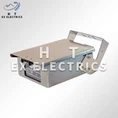


As a supplier of explosion - proof and intrinsically safe battery - powered devices, I've witnessed firsthand the increasing demand for reliable safety solutions in hazardous environments. Many customers often approach me with questions about the differences between explosion - proof and intrinsically safe battery - powered devices. In this blog, I'll delve into these differences to help you make informed decisions when choosing the right equipment for your specific needs.


Definition and Basic Principles
Let's start with the fundamental definitions. Explosion - proof devices are designed to contain an internal explosion within the device's enclosure. When an explosion occurs inside the device, the enclosure is engineered to withstand the pressure and prevent the flames or hot gases from escaping and igniting the surrounding explosive atmosphere. This is typically achieved through robust construction and strict manufacturing standards.
On the other hand, intrinsically safe devices are designed to limit the energy available in electrical circuits to a level that is insufficient to cause an explosion, even under normal and abnormal operating conditions. The energy is kept so low that it cannot generate enough heat or spark to ignite the explosive mixture in the surrounding environment.
Design and Construction
Explosion - proof devices usually have a heavy - duty and sturdy enclosure. The enclosure is made of materials that can resist high - pressure blasts, such as thick - walled metal or reinforced plastics. Special seals and gaskets are used to ensure that no flames or hot gases can leak out. The electrical components inside the enclosure are often protected by additional barriers to prevent short - circuits and arcing that could potentially lead to an explosion.
Intrinsically safe devices, in contrast, are designed with a focus on energy limitation. They use low - power components, such as low - voltage batteries and resistors, to reduce the amount of electrical energy in the circuit. The wiring and connections are carefully designed to minimize the risk of sparking. These devices are often smaller and lighter than explosion - proof devices because they don't require the heavy - duty enclosures for containing an explosion.
Safety Levels and Certification
Explosion - proof devices are certified to withstand an internal explosion without allowing it to propagate to the outside environment. The certification process involves rigorous testing, including subjecting the device to high - pressure explosions inside the enclosure and ensuring that it remains intact and does not ignite the surrounding explosive atmosphere. These devices are suitable for areas where there is a high risk of explosive gases or dust, such as oil refineries, chemical plants, and coal mines.
Intrinsically safe devices are certified to have a very low risk of causing an explosion. They are designed to be safe even in the most hazardous environments. The certification process for intrinsically safe devices focuses on measuring and limiting the electrical energy in the circuit. These devices are often used in areas where explosive atmospheres are present, but where the risk of an explosion is relatively low, such as in some pharmaceutical manufacturing facilities or food processing plants.
Application Scenarios
Explosion - proof battery - powered devices are commonly used in industrial settings where there is a high probability of explosive gases or dust being present. For example, in oil and gas exploration, explosion - proof flashlights, cameras, and communication devices are essential for workers to perform their tasks safely in areas where flammable gases may be present. In chemical plants, explosion - proof pumps and valves are used to handle hazardous chemicals without the risk of explosion.
Intrinsically safe battery - powered devices are more suitable for applications where the presence of explosive substances is less frequent or where the concentration of explosive substances is relatively low. For instance, in some laboratories where small amounts of flammable chemicals are used, intrinsically safe sensors and monitoring devices can be used to detect the presence of gases without the risk of causing an explosion.
Cost Considerations
Explosion - proof devices are generally more expensive than intrinsically safe devices. The heavy - duty construction, the need for special materials, and the rigorous certification process all contribute to the higher cost. Additionally, the maintenance and repair of explosion - proof devices can also be more costly because of the complex nature of their design.
Intrinsically safe devices, due to their simpler design and lower energy requirements, are usually more cost - effective. They are also easier to maintain and repair because they have fewer components and do not require the same level of heavy - duty protection.
Advantages and Disadvantages
Explosion - proof devices offer a high level of protection against internal explosions. They can be used in the most hazardous environments where the risk of explosion is extremely high. However, their large size and weight can make them less portable and more difficult to use in some situations. Also, the high cost can be a deterrent for some customers.
Intrinsically safe devices are lightweight, portable, and cost - effective. They are easy to use and maintain. However, they may not be suitable for environments with a very high risk of explosion because they rely on energy limitation rather than containing an explosion.
Conclusion
In summary, the choice between explosion - proof and intrinsically safe battery - powered devices depends on the specific requirements of your application. If you are working in a high - risk environment where explosive gases or dust are constantly present, explosion - proof devices are the better choice. However, if the risk of explosion is relatively low or if you need a more portable and cost - effective solution, intrinsically safe devices may be more suitable.
As a supplier of [product - related keywords], we offer a wide range of explosion - proof and intrinsically safe battery - powered devices to meet your needs. Whether you need an [specific explosion - proof device] for your oil refinery or an [specific intrinsically safe device] for your laboratory, we have the right product for you.
If you're interested in learning more about our products or have any questions regarding the differences between explosion - proof and intrinsically safe devices, please feel free to [mention the way to start a conversation, e.g., contact us for a detailed consultation]. We're here to help you make the best choice for your safety and operational requirements.
For more information about our intrinsically safe and explosion - proof systems, you can visit our websites: Intrinsically Safe Explosion-proof System and Intrinsically Safe Explosion Proof.
References
- [Author's Name]. (Year). "Title of the Book on Hazardous Area Equipment". Publisher.
- [Author's Name]. (Year). "Research Paper on Intrinsic Safety and Explosion - Proof Design". Journal Name, Volume(Issue), Page Numbers.
- [Organization's Name]. (Year). "Standards for Explosion - Proof and Intrinsically Safe Devices". Standard Number.