


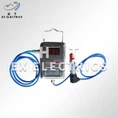

Hey there! As a Pressure Sensor supplier, I know how crucial it is to protect these little gadgets from overpressure. Overpressure can mess up the accuracy of a pressure sensor big time and even cause it to break down completely. So, let's dive into some ways to keep your pressure sensors safe from overpressure.
Understanding Overpressure
First off, we need to know what overpressure is. Overpressure happens when the pressure applied to a sensor goes beyond its designed operating range. This can be due to a bunch of reasons, like sudden spikes in the system, malfunctions in the equipment, or just plain old human error. When a pressure sensor faces overpressure, it can lead to inaccurate readings, damage to the sensor's internal components, and in the worst - case scenario, a total failure of the sensor.
Choosing the Right Pressure Sensor
One of the first steps in protecting a pressure sensor from overpressure is to pick the right one for the job. When you're selecting a Pressure Sensor, make sure it has a high enough overpressure rating. The overpressure rating tells you the maximum pressure the sensor can handle without getting damaged. For example, if your system usually operates at a pressure of 100 psi, but there's a chance of sudden spikes up to 200 psi, you'll want a sensor with an overpressure rating of at least 200 psi.
Also, consider the type of pressure sensor. There are different types like piezoresistive, capacitive, and optical pressure sensors. Each type has its own advantages and limitations when it comes to handling overpressure. Piezoresistive sensors are quite common and can handle moderate overpressure, but they might be more sensitive to shock. Capacitive sensors, on the other hand, can be more robust in some cases.
Using Pressure Relief Devices
Pressure relief devices are a great way to protect your pressure sensors. These devices are designed to open up and release excess pressure when it reaches a certain level. One common type of pressure relief device is a pressure relief valve. When the pressure in the system exceeds the set limit of the valve, it opens and allows the excess pressure to escape.
Another option is a rupture disk. A rupture disk is a thin membrane that bursts when the pressure reaches a specific value. This provides a quick and reliable way to relieve overpressure. However, once a rupture disk bursts, it needs to be replaced.
These pressure relief devices can be installed in the system near the pressure sensor. They act as a safety net, preventing the sensor from being exposed to excessive pressure.
Installing a Buffer or Dampener
A buffer or dampener can also help protect the pressure sensor from overpressure. These devices work by smoothing out sudden pressure spikes. A buffer can be a simple chamber filled with a fluid or gas that absorbs the shock of the pressure change.
For example, a hydraulic buffer can be used in a system where there are rapid changes in pressure. The buffer stores some of the energy from the pressure spike, reducing the impact on the pressure sensor. This way, the sensor doesn't have to deal with the full force of the sudden pressure increase.
Monitoring and Maintenance
Regular monitoring and maintenance are key to protecting your pressure sensors from overpressure. Keep an eye on the pressure readings and look for any signs of abnormal pressure changes. If you notice sudden spikes or fluctuations, it could be a sign of a problem in the system.
Perform regular inspections of the pressure sensor and the associated equipment. Check for any signs of wear and tear, leaks, or damage. Make sure all the connections are tight and the sensor is properly calibrated.
Also, have a maintenance schedule in place. This could include replacing parts like pressure relief valves or rupture disks at regular intervals to ensure they are working properly.
Using Complementary Devices
In addition to pressure relief devices and buffers, there are other complementary devices that can help protect the pressure sensor. For example, an Explosion - Proof Electromagnetic Valve can be used in hazardous environments. These valves can be programmed to close when the pressure exceeds a certain limit, preventing further pressure build - up.
An Ultrasonic Flow Sensor can also be used in conjunction with a pressure sensor. The flow sensor can provide additional information about the system, and if there are any abnormal flow patterns, it could indicate a potential overpressure situation.
Training and Education
It's important to train your staff on how to handle pressure sensors and prevent overpressure. Make sure they understand the operating limits of the sensors and the importance of following proper procedures. Provide them with training on how to recognize signs of overpressure and what to do in case of an emergency.


Conclusion
Protecting a pressure sensor from overpressure is essential for ensuring its accurate and reliable operation. By choosing the right sensor, using pressure relief devices, installing buffers, monitoring and maintaining the system, and using complementary devices, you can significantly reduce the risk of overpressure damage.
If you're in the market for high - quality pressure sensors or need more information on how to protect them from overpressure, don't hesitate to reach out. We're here to help you find the best solutions for your specific needs. Whether you're dealing with industrial applications, automotive systems, or any other pressure - related requirements, we've got you covered.