


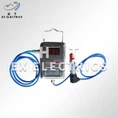

When it comes to using a mine temperature sensor, understanding the necessary software requirements is crucial for ensuring accurate data collection, reliable operation, and overall safety in mining environments. As a leading supplier of Mine Temperature Sensor, we have extensive experience in this field and are well - versed in the software aspects that are essential for the proper functioning of these sensors.
1. Compatibility and Integration Software
One of the primary software requirements for a mine temperature sensor is compatibility with existing mining systems. Mines often have a complex network of monitoring and control systems in place, and the temperature sensor software must be able to integrate seamlessly with these systems. This includes compatibility with Supervisory Control and Data Acquisition (SCADA) systems, which are widely used in the mining industry to monitor and control various processes.
The software should support standard communication protocols such as Modbus, Profibus, or Ethernet/IP. These protocols allow the mine temperature sensor to communicate effectively with other devices in the network. For example, if the mine has a central SCADA system that monitors multiple sensors and equipment, the temperature sensor software should be able to send and receive data using the same protocol as the SCADA system. This ensures that the temperature data can be accurately collected, processed, and displayed in the central monitoring station.
In addition to SCADA systems, the software may also need to integrate with enterprise resource planning (ERP) systems. This integration allows for better management of resources, as temperature data can be used in conjunction with other operational data to make informed decisions. For instance, if the temperature in a particular area of the mine is rising, the ERP system can be alerted, and appropriate actions such as adjusting ventilation or scheduling maintenance can be taken.
2. Data Acquisition and Logging Software
Accurate data acquisition is the foundation of any effective monitoring system. The mine temperature sensor software should be capable of collecting temperature data at regular intervals. The sampling rate can be adjusted depending on the specific requirements of the mining operation. For example, in a high - risk area where temperature changes can occur rapidly, a higher sampling rate may be required.


Once the data is collected, it needs to be logged for future reference. The logging software should be able to store large amounts of data in a reliable and organized manner. This data can be used for trend analysis, regulatory compliance, and troubleshooting. For example, by analyzing temperature trends over time, mining engineers can predict potential equipment failures or identify areas where ventilation needs to be improved.
The software should also support data backup and recovery. In a mining environment, there are many potential risks such as power outages, equipment failures, and natural disasters that can lead to data loss. A robust data backup and recovery mechanism ensures that valuable temperature data is not lost and can be restored in case of an emergency.
3. Alarm and Notification Software
Safety is of utmost importance in mining operations, and the mine temperature sensor software should include an effective alarm and notification system. The software should allow users to set temperature thresholds based on safety standards and operational requirements. When the temperature exceeds or falls below the set thresholds, the system should trigger an alarm.
The alarms can be configured in different ways, such as visual alarms on the monitoring screen, audible alarms in the control room, or even SMS or email notifications to relevant personnel. For example, if the temperature in a battery room exceeds a safe limit, the system can send an immediate alert to the maintenance team, allowing them to take prompt action to prevent battery damage or fire.
The notification software should also support different levels of alarms. For instance, a minor deviation from the normal temperature range may trigger a warning, while a significant deviation may trigger an emergency alarm. This allows the mining operation to manage different levels of risk effectively.
4. Calibration and Configuration Software
To ensure the accuracy of the mine temperature sensor, regular calibration is necessary. The software should have a built - in calibration function that allows users to calibrate the sensor easily. This calibration process should follow industry - standard procedures and be traceable to national or international standards.
In addition to calibration, the software should also support sensor configuration. Users should be able to configure parameters such as the measurement range, sampling rate, and communication settings. This flexibility allows the sensor to be customized to meet the specific needs of different mining operations.
5. Analysis and Reporting Software
Mining operations generate a large amount of temperature data, and it is essential to have software that can analyze this data and generate useful reports. The analysis software should be able to perform statistical analysis, such as calculating averages, standard deviations, and trends. This analysis can help identify patterns and anomalies in the temperature data.
The reporting software should be able to generate various types of reports, such as daily, weekly, or monthly temperature reports. These reports can be used for internal management purposes, regulatory compliance, and sharing with stakeholders. For example, the mining company may need to submit temperature reports to regulatory authorities to demonstrate compliance with safety regulations.
6. Security Software
In today's digital age, security is a major concern for any industrial system, including mine temperature sensors. The software should have robust security features to protect the sensor from unauthorized access, data breaches, and cyber - attacks. This includes features such as user authentication, encryption, and access control.
User authentication ensures that only authorized personnel can access the sensor software and the temperature data. Encryption is used to protect the data during transmission and storage, making it difficult for hackers to intercept and read the data. Access control allows administrators to define who can perform different actions, such as calibrating the sensor or configuring the alarm settings.
Conclusion
In summary, using a mine temperature sensor requires a comprehensive set of software solutions. From compatibility and integration to data acquisition, alarm systems, calibration, analysis, and security, each aspect of the software plays a vital role in the effective operation of the sensor. As a Mine Temperature Sensor supplier, we are committed to providing high - quality sensors along with software that meets these requirements.
If you are in the mining industry and are looking for a reliable mine temperature sensor solution, we encourage you to reach out to us for a consultation. Our team of experts can help you understand the specific software requirements for your operation and provide you with a customized solution. We also offer other related products, such as the Intrinsically Safe Speed Sensor and Tension Sensor, which can further enhance your mining monitoring capabilities. Contact us today to start discussing how we can meet your needs.
References
- International Electrotechnical Commission (IEC). Standards for industrial temperature sensors and related software.
- Mining Safety and Health Administration (MSHA). Guidelines for temperature monitoring in mining operations.
- Institute of Electrical and Electronics Engineers (IEEE). Protocols for communication in industrial systems.