


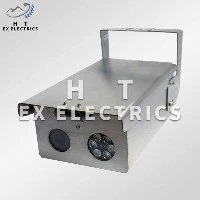
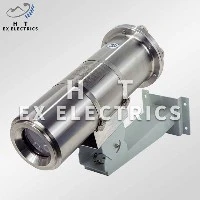
Hey there! As a supplier of Digital Explosion Proof Camera, I often get asked about the color accuracy of these cameras. It's a crucial topic, especially when you're dealing with environments where exact color representation can mean the difference between safety and danger. So, let's dive into what color accuracy really means for Digital Explosion Proof Cameras.
What is Color Accuracy?
Color accuracy refers to how closely a camera can reproduce colors as they appear in real - life. In an ideal world, every color you see through the camera's lens would be an exact match to what your own eyes perceive. But in reality, achieving absolute color accuracy is a bit of a challenge.


For Digital Explosion Proof Cameras, color accuracy is determined by several factors. One of the key components is the image sensor. The sensor captures light and converts it into an electrical signal that forms the image. Different sensors have different sensitivities to various wavelengths of light, which directly impacts color reproduction.
Another factor is the camera's color processing algorithm. This algorithm takes the raw data from the sensor and processes it to create a final image. A well - designed algorithm can correct color biases and enhance the overall accuracy of the colors in the image.
Why is Color Accuracy Important in Explosion Proof Cameras?
In explosion - proof environments, color accuracy can be a lifesaver. For example, in a chemical plant, different colored pipes may carry different types of chemicals. If the camera can't accurately represent the color of these pipes, it could lead to misidentification of the chemicals, which is extremely dangerous.
In a coal mine, color accuracy can help in detecting signs of potential hazards. For instance, a change in the color of the rock face could indicate a structural weakness or the presence of dangerous gases. An accurate color representation can make these signs more visible and easier to interpret for safety personnel.
Measuring Color Accuracy
There are several ways to measure the color accuracy of a camera. One common method is to use a color chart. A color chart contains a set of standardized colors, and by comparing the colors in the image captured by the camera to the actual colors on the chart, you can calculate the color accuracy.
Another metric used is the Delta E value. Delta E measures the difference between the colors in the image and the reference colors. A lower Delta E value indicates higher color accuracy. For Digital Explosion Proof Cameras, a Delta E value of less than 5 is generally considered good, but in some critical applications, an even lower value may be required.
Our Cameras and Color Accuracy
At our company, we take color accuracy very seriously. Our Digital Explosion Proof Cameras are equipped with high - quality image sensors that have excellent color sensitivity. We've also developed advanced color processing algorithms to ensure that the colors in the images are as accurate as possible.
We offer a range of cameras, including the Explosion - Proof AI Camera, which combines the latest AI technology with high - color - accuracy imaging. This camera can not only capture accurate colors but also analyze the images in real - time to detect potential hazards.
Our Explosion Proof Intrinsically Safe Camera is designed for use in extremely hazardous environments. It maintains high color accuracy while meeting strict safety standards.
Applications and Color Accuracy
Let's take a look at some specific applications and how color accuracy matters in each of them.
Coal Mine Safety
In a coal mine, our Coal Mine Safety Monitoring System uses Digital Explosion Proof Cameras to monitor the environment. Color accuracy is essential here. For example, the color of the coal dust in the air can indicate its concentration, which is a crucial factor in preventing coal dust explosions. With accurate color representation, the monitoring system can provide more reliable data.
Chemical Industry
In the chemical industry, different chemicals have different colors, and these colors can be used to identify them quickly. Our cameras can accurately capture the colors of chemical containers, pipes, and spills. This helps in ensuring that the right safety procedures are followed in case of an accident.
Oil and Gas Industry
In the oil and gas industry, color accuracy is important for detecting leaks. For example, the color of an oil spill on water can provide information about the type of oil and its potential environmental impact. Our Explosion Proof Ir Camera and Intrinsically Safe Infrared Camera can not only detect heat signatures but also provide accurate color images in low - light conditions, which is very useful in this industry.
Improving Color Accuracy
We're constantly working on improving the color accuracy of our cameras. One way we do this is by investing in research and development. We're always looking for new image sensors and color processing algorithms that can provide better results.
We also conduct regular quality control checks. Every camera that leaves our factory undergoes a series of color accuracy tests. If a camera doesn't meet our strict standards, it doesn't go out to the market.
Contact Us for Your Color - Accurate Camera Needs
If you're in an industry where color accuracy is crucial and you're looking for a reliable Digital Explosion Proof Camera supplier, we'd love to hear from you. Whether you need a camera for a coal mine, a chemical plant, or an oil and gas facility, we have the right solution for you. Reach out to us to start the conversation about your specific requirements and let's explore how our cameras can meet your needs.