


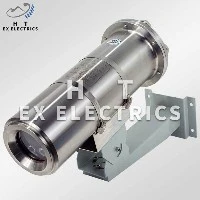
Hey there! As a supplier of explosion - proof cameras, I often get asked about the frame rate of these specialized cameras. So, let's dive right in and have a chat about what the frame rate of an explosion - proof camera is and why it matters.
First off, what's frame rate? In simple terms, the frame rate of a camera is the number of individual frames or images that the camera can capture and record in one second. It's usually measured in frames per second (fps). For example, a camera with a frame rate of 30 fps can take 30 separate images every single second.


Now, why is frame rate important for explosion - proof cameras? Well, these cameras are typically used in high - risk environments where safety and security are of the utmost importance. Industries like oil and gas, chemical plants, and mining operations rely on explosion - proof cameras to monitor their facilities 24/7. A higher frame rate means smoother video footage. When you're dealing with dynamic situations like machinery moving, workers going about their tasks, or even potential safety hazards, a smooth video is crucial. You don't want to miss any important details due to choppy or blurry footage.
Let's talk about the common frame rates you'll find in explosion - proof cameras. Most of the standard explosion - proof cameras offer frame rates ranging from 25 fps to 60 fps. A frame rate of 25 fps is quite common and provides a decent level of smoothness for general monitoring purposes. It's suitable for areas where the movement is not extremely fast - paced. For instance, in a storage area where workers are moving pallets around at a normal pace, a 25 fps camera can capture clear and useful footage.
On the other hand, if you need to monitor areas with high - speed movement, like a conveyor belt moving at a rapid rate or machinery with fast - rotating parts, a higher frame rate like 60 fps is a better choice. With 60 fps, you'll get twice as many frames per second compared to a 30 fps camera, which results in much smoother and more detailed video. You'll be able to see every movement clearly, which is essential for safety inspections and incident investigations.
Some of our more advanced explosion - proof cameras can even go beyond 60 fps. These high - end cameras are designed for the most demanding applications where split - second details matter. For example, in a chemical plant where a sudden chemical reaction could occur, a camera with a very high frame rate can capture the exact moment when something goes wrong. This can be invaluable for understanding the root cause of an incident and taking appropriate preventive measures in the future.
Now, let me introduce you to some of our explosion - proof camera products. We have the Explosion Proof Security Camera, which is a great all - around option for general security monitoring in hazardous environments. It offers a reliable frame rate and excellent image quality, ensuring that you get clear footage of any activity in the monitored area.
If you need a camera that can work well in low - light conditions, our Explosion Proof Ir Camera is the way to go. It has built - in infrared technology and can maintain a good frame rate even in complete darkness, allowing you to monitor your facilities 24/7 without any blind spots.
For those who need a camera with pan, tilt, and zoom capabilities, our Explosion - Proof PTZ Camera is a top - notch choice. It can cover a large area and adjust its view as needed, all while providing a high frame rate for smooth and detailed video.
When it comes to choosing the right frame rate for your explosion - proof camera, you need to consider a few factors. First, think about the type of movement in the area you're monitoring. If it's slow - moving, a lower frame rate might be sufficient. But if there's a lot of fast - paced action, go for a higher frame rate. Also, consider your budget. Higher frame rate cameras usually come with a higher price tag, so you need to balance your requirements with your financial resources.
Another factor to consider is the storage capacity. Higher frame rate cameras generate more data because they capture more frames per second. You'll need to make sure you have enough storage space to store the video footage. This could mean investing in larger hard drives or cloud - based storage solutions.
In conclusion, the frame rate of an explosion - proof camera is a critical factor that can significantly impact the quality and usefulness of the video footage. Whether you're in the oil and gas industry, a chemical plant, or any other high - risk environment, choosing the right frame rate for your camera is essential for safety, security, and incident management.
If you're interested in learning more about our explosion - proof cameras or have any questions about frame rates or other features, don't hesitate to reach out. We're here to help you find the perfect camera solution for your needs. Let's start a conversation and see how we can work together to keep your facilities safe and secure.
References:
- Industry standards and guidelines for explosion - proof cameras
- Internal product documentation of explosion - proof cameras