


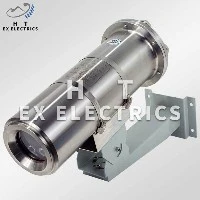
In industrial settings, ensuring safety is of paramount importance, especially in hazardous areas where the risk of explosions is a constant concern. As a leading supplier of explosion proof security cameras, I am often asked whether these cameras can indeed be used in such high - risk environments. In this blog, we will dive deep into this question and explore the science, applications, and benefits of using explosion proof security cameras in hazardous areas.
Understanding Hazardous Areas
Hazardous areas are classified based on the likelihood of the presence of explosive atmospheres. These explosive atmospheres can be a result of flammable gases, vapors, mists, or combustible dusts. For instance, in oil refineries, chemical plants, and coal mines, the presence of flammable substances is a common occurrence. These areas are typically divided into zones, with each zone representing a different level of risk.
Zone 0 is an area where an explosive atmosphere is present continuously or for long periods. Zone 1 is an area where an explosive atmosphere is likely to occur occasionally during normal operation, and Zone 2 is an area where an explosive atmosphere is not likely to occur during normal operation but, if it does occur, will persist for a short period only.
How Explosion Proof Security Cameras Work
Explosion proof security cameras are designed to prevent the ignition of explosive atmospheres. They are constructed to withstand the internal explosion of any flammable gas or vapor that may enter the camera enclosure. These cameras are built with special enclosures made of robust materials such as stainless steel or cast aluminum.
The enclosures are designed in such a way that they can contain any internal explosion without allowing the flame or heat to escape to the surrounding environment. Additionally, the electrical components inside the camera are engineered to prevent sparks or excessive heat generation, which could potentially ignite the explosive atmosphere.
Types of Explosion Proof Security Cameras and Their Applications
At our company, we offer a wide range of explosion proof security cameras to meet the diverse needs of different hazardous environments.
-
Intrinsically Safe Infrared Camera: These cameras are designed to operate in explosive atmospheres by limiting the electrical energy to a level that cannot cause ignition. They are equipped with infrared technology, which allows for monitoring in low - light or complete darkness conditions. This makes them ideal for use in oil and gas storage facilities, where safety monitoring is required round - the - clock.
-
Intrinsically Safe LiDAR Camera/explosion Proof Security Camera: LiDAR (Light Detection and Ranging) cameras use laser light to create high - resolution 3D images of the surrounding environment. Our intrinsically safe LiDAR cameras are suitable for use in areas where accurate monitoring of movement and spatial relationships is crucial, such as in chemical processing plants and warehousing facilities where there is a risk of gas leakage.
-
Explosion Proof Compact Color Camera: These cameras are small in size but offer high - quality color imaging. They are easy to install in tight spaces and are perfect for monitoring areas such as small control rooms, pump rooms, or in the vicinity of storage cabinets in laboratories where explosive chemicals are stored.
-
Coal Mine Safety Monitoring System: In coal mines, the risk of methane gas explosions is a significant concern. Our coal mine safety monitoring system includes explosion proof cameras that can monitor the mine environment for the presence of flammable gases, methane levels, and the movement of miners. This system helps in ensuring the safety of the miners and preventing accidents.
-
Intrinsically Safe Explosion Proof Camera: These cameras are designed to be intrinsically safe, meaning they have been engineered to prevent the release of enough energy to ignite an explosive atmosphere. They are suitable for use in all types of hazardous areas, from Zone 0 to Zone 2, and can be used in a variety of industries, including pharmaceutical manufacturing and food processing where combustible dusts may be present.
Advantages of Using Explosion Proof Security Cameras in Hazardous Areas
- Enhanced Safety: The primary advantage of using explosion proof security cameras is the enhanced safety they provide. By continuously monitoring the hazardous areas, these cameras can detect potential safety hazards, such as gas leaks or abnormal heat generation, in a timely manner. This allows for quick response and preventive measures to be taken, reducing the risk of explosions and other accidents.
- Remote Monitoring and Surveillance: Explosion proof security cameras can be connected to a remote monitoring system, allowing operators to monitor the hazardous areas from a safe location. This is especially useful in situations where direct access to the area is difficult or dangerous. Operators can view the live video feed, receive alerts, and take appropriate actions without putting themselves at risk.
- Compliance with Regulations: Many industries are subject to strict safety regulations regarding the use of equipment in hazardous areas. Using explosion proof security cameras helps companies comply with these regulations, avoiding potential fines and legal issues. These cameras are often certified to meet international safety standards, such as ATEX and IECEx, which are recognized worldwide.
- Cost - Effective Solution: While the initial investment in explosion proof security cameras may be higher compared to regular cameras, they offer long - term cost savings. By preventing accidents and reducing the risk of downtime, these cameras can save companies a significant amount of money in terms of property damage, lost production, and potential legal liabilities.
Considerations When Choosing Explosion Proof Security Cameras
When selecting explosion proof security cameras for your hazardous area, there are several factors to consider.
- Zone Classification: As mentioned earlier, different hazardous areas are classified into zones. It is crucial to choose a camera that is rated for the specific zone in which it will be installed. For example, a camera designed for Zone 2 may not be suitable for use in Zone 0 or Zone 1.
- Environmental Conditions: Consider the environmental conditions of the area, such as temperature, humidity, and the presence of corrosive substances. Some explosion proof cameras are designed to withstand extreme temperatures and harsh environmental conditions, while others may be more suitable for milder environments.
- Image Quality and Resolution: The image quality and resolution of the camera are important for effective monitoring. Higher resolution cameras provide clearer images, which can help in identifying potential hazards more accurately.
- Functionality: Depending on your specific needs, you may require additional features such as night vision, pan - tilt - zoom (PTZ) capability, and motion detection. Make sure to choose a camera that offers the functionality you need.
Conclusion
In conclusion, explosion proof security cameras can and should be used in hazardous areas. They offer a reliable and effective solution for monitoring these high - risk environments, enhancing safety, and ensuring compliance with safety regulations. As a supplier of explosion proof security cameras, we are committed to providing our customers with high - quality products that meet their specific needs and requirements.
If you are looking for a reliable explosion proof security camera solution for your hazardous area, we invite you to contact us for a detailed discussion. Our team of experts will be happy to assist you in choosing the right camera for your application and provide you with all the necessary information and support.

