


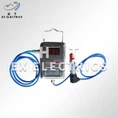

Can pressure sensors be used in water treatment plants? You bet they can! As a pressure sensor supplier, I've seen firsthand how these nifty little devices play a crucial role in the smooth operation of water treatment facilities. Let's dive into the details and see why pressure sensors are a must-have in water treatment plants.
Understanding the Basics of Water Treatment Plants
Before we get into the nitty - gritty of pressure sensors, let's quickly go over what water treatment plants do. These facilities are like the superheroes of the water world, taking in raw water from various sources like rivers, lakes, or groundwater, and turning it into clean, safe water for our homes, industries, and other uses.
The process involves several steps, including filtration, sedimentation, disinfection, and sometimes advanced treatment methods. Throughout all these processes, maintaining the right pressure is essential. Too much pressure can cause pipes to burst, equipment to fail, and even disrupt the treatment process. On the other hand, too little pressure can lead to inefficient treatment and poor water distribution.
How Pressure Sensors Fit into the Picture
Pressure sensors are like the eyes and ears of a water treatment plant. They continuously monitor the pressure at different points in the system and provide real - time data. This data is then used to control various aspects of the treatment process.


Inlet and Outlet Pressure Monitoring
At the inlet of the water treatment plant, pressure sensors measure the pressure of the incoming raw water. This helps operators ensure that the water is flowing at the right rate and pressure for the initial treatment steps. For example, if the pressure is too low, it might indicate a problem with the water source or the intake system.
At the outlet, pressure sensors are used to monitor the pressure of the treated water before it is distributed to consumers. Maintaining the right pressure here is crucial for proper water distribution. If the pressure is too high, it can cause leaks in the distribution pipes, while low pressure can result in inadequate water supply to consumers.
Filtration and Sedimentation Processes
During filtration and sedimentation, pressure sensors are used to monitor the pressure across the filters and sedimentation tanks. As water passes through the filters, the pressure drop can indicate the level of clogging. When the pressure drop exceeds a certain threshold, it's a sign that the filters need to be cleaned or replaced.
In sedimentation tanks, pressure sensors can be used to monitor the pressure at different depths. This helps in understanding the sedimentation process and ensuring that the tanks are operating efficiently.
Pump Control
Pumps are the workhorses of a water treatment plant, moving water through the various treatment processes. Pressure sensors play a vital role in pump control. They can be used to start and stop pumps based on the pressure in the system. For example, if the pressure in a particular section of the plant drops below a set point, the pressure sensor can send a signal to start a pump to increase the pressure.
Advantages of Using Pressure Sensors in Water Treatment Plants
There are several advantages to using pressure sensors in water treatment plants.
Improved Efficiency
By continuously monitoring the pressure, operators can optimize the treatment process. They can adjust the flow rates, pump speeds, and other parameters based on the real - time pressure data. This leads to more efficient use of energy and resources, reducing operational costs.
Enhanced Safety
Pressure sensors help in preventing over - pressurization, which can be dangerous. A sudden increase in pressure can cause pipes to burst, leading to water leaks and potential damage to the plant equipment. By detecting abnormal pressure levels early, operators can take corrective actions to prevent such incidents.
Predictive Maintenance
The data collected by pressure sensors can be used for predictive maintenance. By analyzing the pressure trends over time, operators can predict when equipment is likely to fail and schedule maintenance in advance. This reduces downtime and extends the lifespan of the equipment.
Our Pressure Sensor Offerings
As a pressure sensor supplier, we offer a wide range of pressure sensors suitable for water treatment plants. Our Pressure Sensor are highly accurate, reliable, and durable. They are designed to withstand the harsh conditions in water treatment plants, including exposure to water, chemicals, and varying temperatures.
We also offer pressure sensors that can be integrated with other equipment in the plant, such as Explosion - Proof Electromagnetic Valve and Automatic Water Spraying Dust Reduction Device Main Unit. This integration allows for seamless control and automation of the water treatment process.
Real - World Examples
Let's take a look at a real - world example of how pressure sensors are used in a water treatment plant. In a large municipal water treatment plant, pressure sensors were installed at various points in the system, including the intake, filters, and pumps.
The sensors continuously monitored the pressure and sent the data to a central control system. Operators could access this data remotely and make adjustments to the system as needed. For example, when the pressure across the filters started to increase, indicating clogging, the operators were able to schedule filter cleaning in advance, preventing any disruption to the treatment process.
Challenges and Solutions
While pressure sensors offer many benefits, there are also some challenges associated with their use in water treatment plants. One of the main challenges is the potential for sensor fouling. Water in treatment plants can contain various contaminants, such as sediment, chemicals, and microorganisms, which can accumulate on the sensor surface and affect its performance.
To address this issue, we offer pressure sensors with self - cleaning mechanisms or coatings that resist fouling. Regular maintenance and calibration of the sensors are also essential to ensure accurate and reliable operation.
Conclusion
In conclusion, pressure sensors are an indispensable part of water treatment plants. They help in maintaining the right pressure, improving efficiency, enhancing safety, and enabling predictive maintenance. As a pressure sensor supplier, we are committed to providing high - quality sensors that meet the specific needs of water treatment plants.
If you're in the water treatment industry and are looking for reliable pressure sensors, we'd love to hear from you. Whether you need to upgrade your existing sensors or are setting up a new water treatment plant, our team of experts can help you find the right solution. Contact us to start a conversation about your requirements and explore how our pressure sensors can benefit your operations.
References
- Water Treatment Plant Operation Manuals
- Industry Reports on Water Treatment Technologies
- Technical Papers on Pressure Sensor Applications in Industrial Processes