


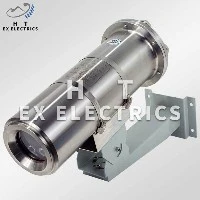
Installing a mine temperature sensor in a mine with narrow passages presents unique challenges that require careful planning and execution. As a leading supplier of high - quality Mine Temperature Sensors, we have extensive experience in dealing with such complex installation scenarios. In this blog, we'll share a step - by - step guide on how to properly install a mine temperature sensor in a narrow - passage mine, along with some important safety considerations.
Pre - installation Preparation
1. Site Assessment
Before installing the temperature sensor, a thorough site assessment of the mine is crucial. A detailed inspection of the narrow passages should be carried out to identify potential hazards such as sharp turns, low ceilings, and uneven ground. Measure the dimensions of the passages to ensure the sensor can fit through without damage. Also, note the location of existing infrastructure like ventilation ducts, power lines, and communication cables, as these may affect the installation process.
2. Sensor Selection
Based on the site assessment, choose the most suitable mine temperature sensor. Consider factors such as temperature range, accuracy, durability, and resistance to dust and moisture. Our company offers a wide range of sensors, including the Intrinsically Safe Infrared Temperature Sensor, which is designed to operate safely in harsh mine environments. This sensor provides accurate temperature readings and can withstand extreme conditions commonly found in mines.
3. Gathering Tools and Equipment
Collect all the necessary tools and equipment for the installation. This may include a ladder, a drill, screws, a wiring kit, a multimeter for testing electrical connections, and personal protective equipment (PPE) such as hard hats, safety glasses, and gloves. Ensure that all tools are in good working condition and are appropriate for use in a mine environment.
Installation Process
1. Planning the Sensor Location
Select an optimal location for the temperature sensor within the narrow passage. The location should be representative of the overall mine temperature, away from direct heat sources such as machinery or hot air vents, and not obstructed by debris or moving equipment. A common practice is to install the sensor at a height where it can capture ambient air temperature effectively, usually around chest - level.
2. Mounting the Sensor
Once the location is determined, mount the sensor securely. If the passage walls are made of rock or concrete, use a drill to create holes for the mounting screws. For softer materials like wood or plastic, self - tapping screws may be sufficient. Make sure the sensor is level and firmly attached to prevent it from vibrating or falling off.
3. Wiring the Sensor
Connect the sensor to the power supply and the monitoring system. Use appropriate wiring that is rated for use in a mine environment, which should be resistant to abrasion, moisture, and chemicals. Follow the manufacturer's wiring diagram carefully to avoid short circuits or incorrect connections. After wiring, use a multimeter to test the electrical continuity and ensure that the sensor is receiving power.
4. Calibration
After installation, the temperature sensor needs to be calibrated to ensure accurate readings. Use a calibrated reference thermometer to compare the readings of the newly installed sensor. Adjust the sensor settings according to the manufacturer's instructions until the readings match within an acceptable range of accuracy.
Safety Considerations
1. Intrinsic Safety
In a mine environment, intrinsic safety is of utmost importance. All electrical equipment, including the temperature sensor, must be designed and installed to prevent the ignition of flammable gases or dust. Our Intrinsically Safe Coal Level Sensor, Intrinsically Safe Vibration Sensor, Intrinsically Safe Radar Level Sensor, and Intrinsically Safe Laser Distance Sensor are all designed with intrinsic safety features to meet the strict requirements of mine safety standards.
2. Ventilation
Proper ventilation is essential during the installation process. Ensure that the narrow passages are well - ventilated to prevent the accumulation of harmful gases such as methane, carbon monoxide, and dust. Follow the mine's ventilation plan and use additional ventilation equipment if necessary.
3. Personal Safety
All personnel involved in the installation should wear appropriate PPE at all times. They should also be trained in mine safety procedures, including how to respond to emergencies such as fires, gas leaks, or collapses.
Post - installation Checks
1. Functionality Testing
After the sensor is installed and calibrated, conduct a comprehensive functionality test. Monitor the temperature readings over a period of time to ensure that the sensor is working correctly and providing stable and accurate data. Check for any signs of malfunction, such as erratic readings or communication errors.
2. Documentation
Keep detailed records of the installation process, including the sensor model, installation location, wiring diagrams, calibration results, and functionality test reports. This documentation will be useful for future maintenance, troubleshooting, and compliance with safety regulations.
Maintenance and Monitoring
1. Regular Inspections
Schedule regular inspections of the temperature sensor to check for any signs of damage, wear, or corrosion. Clean the sensor periodically to remove dust and debris that may affect its performance.


2. Data Analysis
Continuously monitor the temperature data collected by the sensor. Analyze the trends and patterns to detect any potential issues, such as abnormal temperature increases that may indicate a fire hazard or equipment malfunction.
3. Upgrades and Replacements
As technology advances, consider upgrading the temperature sensor to improve its performance and accuracy. Also, replace the sensor if it reaches the end of its service life or if it fails to meet the required safety standards.
Conclusion
Installing a mine temperature sensor in a mine with narrow passages is a complex but achievable task. By following the steps outlined in this guide, conducting a thorough site assessment, selecting the right sensor, and adhering to strict safety protocols, you can ensure a successful installation. Our company is committed to providing high - quality mine temperature sensors and comprehensive support to help you with your installation needs. If you are interested in purchasing our sensors or have any questions about the installation process, please feel free to contact us for a detailed discussion.