


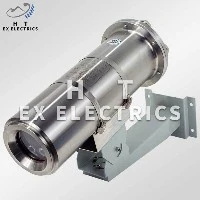
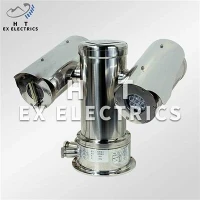

I. Inspect Appearance and Structure
1. Grounding Wire Material and Specifications:
Confirm that the grounding wire is a multi-strand stranded wire with a copper core cross-section ≥ 4mm².
Check whether the grounding core of the armored cable is connected to the grounding bolt inside the equipment, and whether the steel strip and metal shell are connected to the grounding bolt outside the equipment.
2. Fasteners and Anti-Loosening Measures:
The grounding bolts should have anti-loosening devices (such as spring washers), and the fasteners should not be loose or corroded.
The grounding terminals and fasteners should be coated with electrical compound grease to prevent oxidation.
3. Sealing and Protection:
Check whether the inlet sealing ring is aged or deformed, and ensure a good seal.
Protective tubes should be installed on parts susceptible to mechanical damage.
II. Measure Grounding Resistance
1. Resistance Value Requirements:
Ungrounded Neutral Point System: Grounding resistance ≤ 10Ω.
Grounded Neutral Point System: Grounding resistance ≤ 4Ω.
2. Test Method:
Use a grounding resistance tester. Connect the tester's grounding electrode to the equipment's grounding electrode and measure the resistance value.
If the resistance value exceeds the standard, check whether the grounding electrode is corroded, broken, or whether the soil is dry.
III. Verification of Connections and Bridging
1. Independent Grounding:
The grounding wire should be connected separately to the grounding main line and should not be shared with the working neutral wire.
2. Bridging Requirements:
Metal pipes, cable armor, and metal casings should be grounded at the entrance of hazardous locations.
When the resistance between flanges or threaded joints is >0.03Ω, a bridging conductor should be installed.
IV. Other Precautions
1. Regular Inspection:
Inspect the appearance of the grounding wire weekly, measure the grounding resistance monthly, and conduct a comprehensive inspection annually.
2. Professional Inspection:
On-site inspection and acceptance can be entrusted to an organization (such as Shenzhen Zhongnuo Testing).
3. Standard Basis:
Refer to Articles 6.4.2.8-6.4.2.10 of the "Technical Specification for Electrical Explosion-Proof Safety Inspection in Hazardous Locations".
