


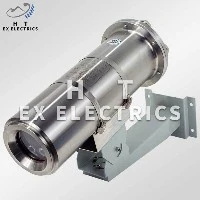
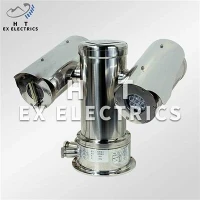

Intrinsically Safe Position Sensor
Your Professional Intrinsically Safe Position Sensor Supplier
Precision position detection for underground mining automation, heavy-duty mobile machinery, and explosive atmospheres. Reliable position feedback supports operational sequencing, equipment status monitoring, and safety interlocks in hazardous operating environments.
Selecting a position sensor for mining applications starts with verifying target movement, detection distance, electrical interface, and hazardous-area certification. Review the technical parameters, integration guidelines, and selection criteria below, or submit your project specifications for technical evaluation and model matching.


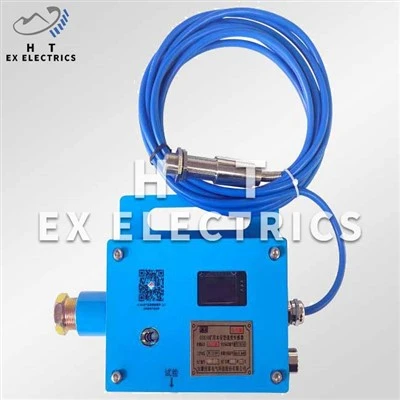

Technical Selection Criteria & Parameter Checklist
|
Selection Factor |
Information to Confirm |
Engineering Significance |
|
Detection Principle |
Inductive, magnetic, optical, or mechanical method |
Determines target material compatibility and sensing reliability |
|
Detection Range |
Sensing distance or mechanical measuring stroke |
Confirms coverage of the required operational movement |
|
Electrical Interface |
Supply voltage, output type (switching/analog/digital) |
Ensures electrical compatibility with PLCs or controllers |
|
Control System Input |
Input characteristics and signal-processing requirements |
Prevents signal mismatch or communication errors |
|
Installation Conditions |
Mounting space, vibration, moisture, and temperature |
Validates mechanical durability in harsh underground environments |
|
Safety Approval |
Mine safety certification and hazardous-area classification |
Establishes legal and technical suitability for the target zone |
|
Associated Apparatus |
Barriers, isolators, or power supplies required |
Ensures the complete circuit complies with intrinsic safety rules |
Additional Mining Application Scenarios
Hoisting and Winding Systems
Monitoring the precise position and travel limits of skip cages, conveyance skips, and headframe safety catches to prevent overwind conditions during vertical shaft material and personnel transport.
Underground Ventilation Control
Tracking the exact open and close position of automated ventilation regulator doors, air locks, and fire suppression dampers to maintain proper airflow distribution and pressure differentials across mining districts.
Longwall and Shearer Tracking
Providing positional feedback for hydraulic roof supports, armored face conveyors (AFC), and coal shearer positioning to support automated cutting sequences and directional control in underground coal faces.
Drainage and Pumping Stations
Detecting liquid level limits, valve positions, and service hatch statuses in subterranean sump pump systems to prevent dry-running and manage underground water discharge safely.
Intrinsic Safety & Hazardous-Area Compliance
Intrinsic safety limits electrical and thermal energy within a circuit to prevent ignition in explosive gas or coal dust atmospheres. A device designated as intrinsically safe must be evaluated against the specific requirements of the installation site.
Before specifying a sensor for your project, confirm:
Exact model identification markings and certification numbers.
Permissible input and output electrical parameters (Ui, Ii, Pi, Ci, Li).
Requirements for associated apparatus (such as safety barriers or galvanic isolators).
Mine-specific safety approvals required by local regulatory bodies.

System Integration & Wiring Architecture
Integrating intrinsically safe field devices into an existing mining control system requires careful evaluation of the entire loop wiring:
Signal Transmission
Verify whether the output signal (such as NAMUR, PNP or NPN switching, or 4-20mA analog) matches the controller input card specifications.
Associated Apparatus Interfacing
Ensure proper pairing with approved galvanic isolators or zener barriers located in the safe area.
Cable Parameters
Account for maximum cable length, loop capacitance, and inductance to maintain circuit integrity under intrinsic safety standards.
Engineering Documentation & Quality Assurance
Manufacturing processes are governed by strict quality management protocols, ensuring consistency and reliability in demanding industrial applications:

Precision Machining
Advanced CNC machining centers and laser cutting technology utilized for housing and structural components.

Quality Control System
Operations maintained in accordance with ISO 9001:2015 standards.
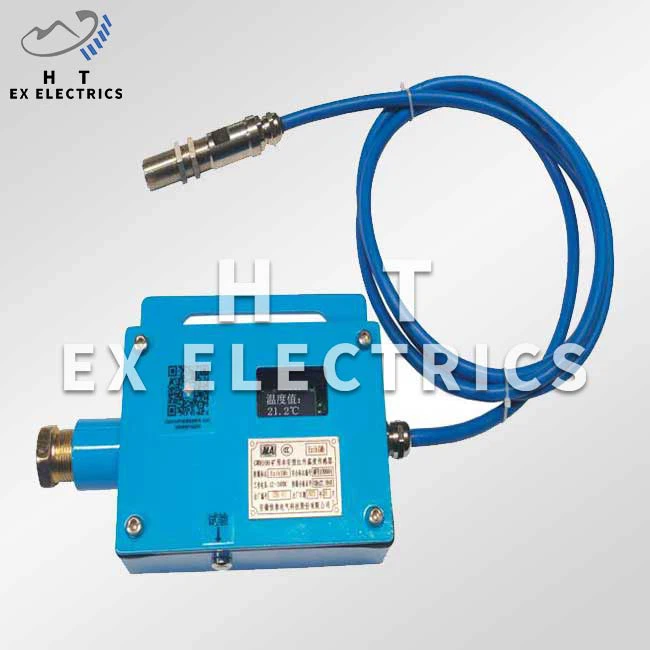
Factory Testing
Each production batch undergoes rigorous dimensional checks, electrical parameter verification, and environmental simulation testing prior to dispatch.
Global Logistics, Packaging & Compliance Documentation
Protective Packaging
Sensors and sensitive electronic components are secured with anti-static materials, impact-resistant cushioning, and moisture-barrier packaging suitable for harsh international freight and long-term warehouse storage.
Mandatory Shipping Documents
Each shipment is accompanied by commercial invoices, packing lists, and certificate of conformity upon request.
Traceability & Labeling
Product labels display clear model designations, electrical ratings, and hazardous-area approval markings for rapid on-site inspection and safety auditing.
Technical Manuals
Comprehensive English installation instructions, wiring schematics, and maintenance guides are included to support safe commissioning by site technicians.
Frequently Asked Questions
As one of the most professional intrinsically safe position sensor manufacturers in China, we're featured by providing high quality products for mining communication system and mining automation equipment. Welcome to buy customized intrinsically safe position sensor from our factory.