


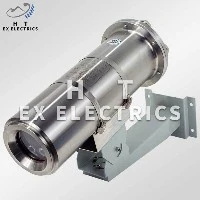
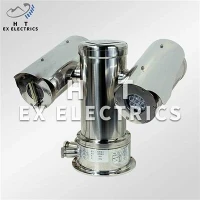

The designed lifespan of an explosion-proof camera is typically between 5 and 10 years, depending on the type of equipment, manufacturing quality, operating environment, and maintenance. A high-quality product, with proper maintenance, can easily last 10 years; however, in harsh environments or with inadequate maintenance, it may only last around 5 years.
Key Factors Affecting Lifespan
1. Core Components: Electronic components such as sensors, lenses, and circuit boards, if of good quality, can last 5-10 years.
2. Housing and Structure: Components such as the explosion-proof housing and seals (e.g., sealing rings), if aged or damaged, will directly affect the explosion-proof performance and protection level (IP rating), requiring regular inspection and replacement.
3. Operating Environment: High temperature, high humidity, corrosive gases, or environments with frequent vibration will accelerate equipment aging.
How to Extend Lifespan?
1. Regular Maintenance: Check the housing, seals, and fasteners for looseness or corrosion every quarter or semi-annually, and clean the lens and protective cover.
2. Proper Use: Do not use in environments exceeding rated voltage, current, or temperature. Avoid physical impact.
3. Professional Testing: It is recommended to have a comprehensive inspection conducted annually by a professional organization, including tests for explosion-proof performance and insulation resistance.
When is Replacement Required?
1. Explosion-proof Performance Failure: Cracks in the casing, aging and failure of seals, or explosion-proof gap exceeding tolerances.
2. Damage to Critical Components: Damage to core components such as sensors and circuit boards that cannot be repaired.
3. Outdated Technology: Image quality and functionality are completely outdated and no longer meet current needs.
